Ferdinand Marcos Jnr
PersonPhilippine President Ferdinand Marcos Jnr faces challenges from geopolitics to domestic political disputes.
Total Mentions:1
Last 7 Days:1
Velocity:-50.0%
Trending:100%
About
Ferdinand Marcos Jnr is the current President of the Philippines. He assumed office in 2022, succeeding Rodrigo Duterte. He is the son of former President Ferdinand Marcos Sr., whose long rule was marked by authoritarianism and corruption. Marcos Jnr's presidency is currently newsworthy due to a confluence of domestic and international challenges. Recent events include his address to the UN General Assembly where he avoided direct mention of the South China Sea dispute, his order for an investigation into the alleged mistreatment of overseas Filipino workers in Bahrain, and his government's efforts to mitigate the impact of rising fuel costs due to Middle East tensions. Domestically, impeachment proceedings against Vice-President Sara Duterte-Carpio, a potential rival, are advancing, creating political tensions. Furthermore, the Philippines is grappling with declining perceptions of corruption and navigating its strategic defense posture amid regional developments and ongoing disputes in the South China Sea. His decisions and actions are significant as they shape the Philippines' foreign policy, economic stability, and domestic political landscape.
Last updated: March 18, 2026
Recent News
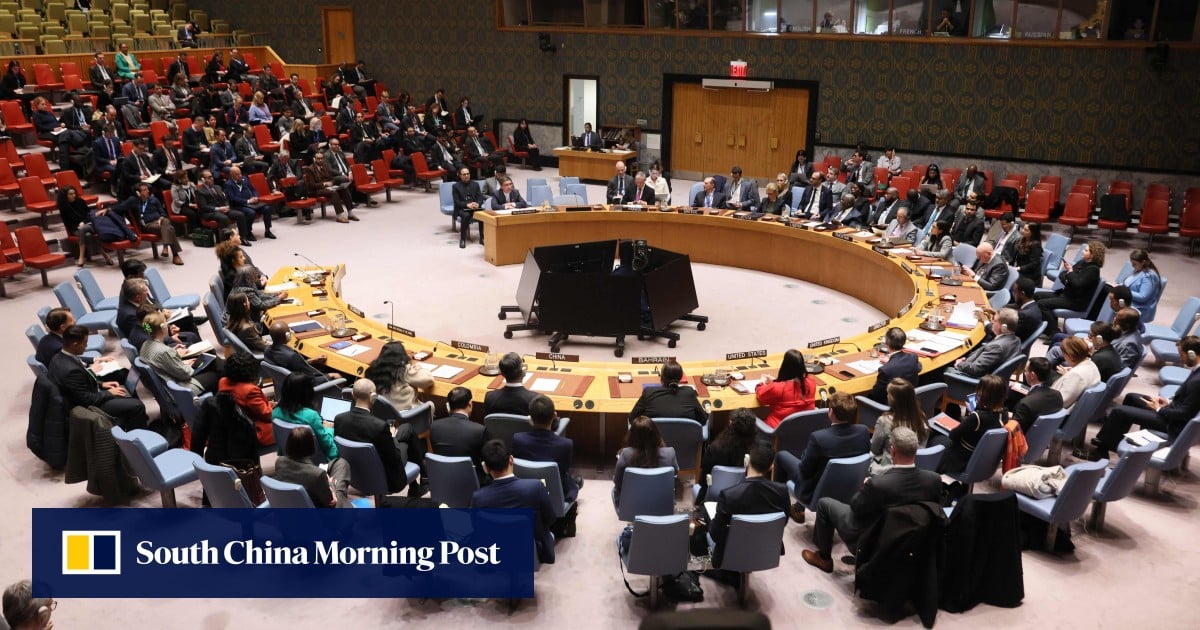
Philippines’ bid for UN Security Council seat sidesteps maritime row

Philippines’ Marcos ‘angry’ over ‘mistreatment’ of Bahrain-based OFWs by official
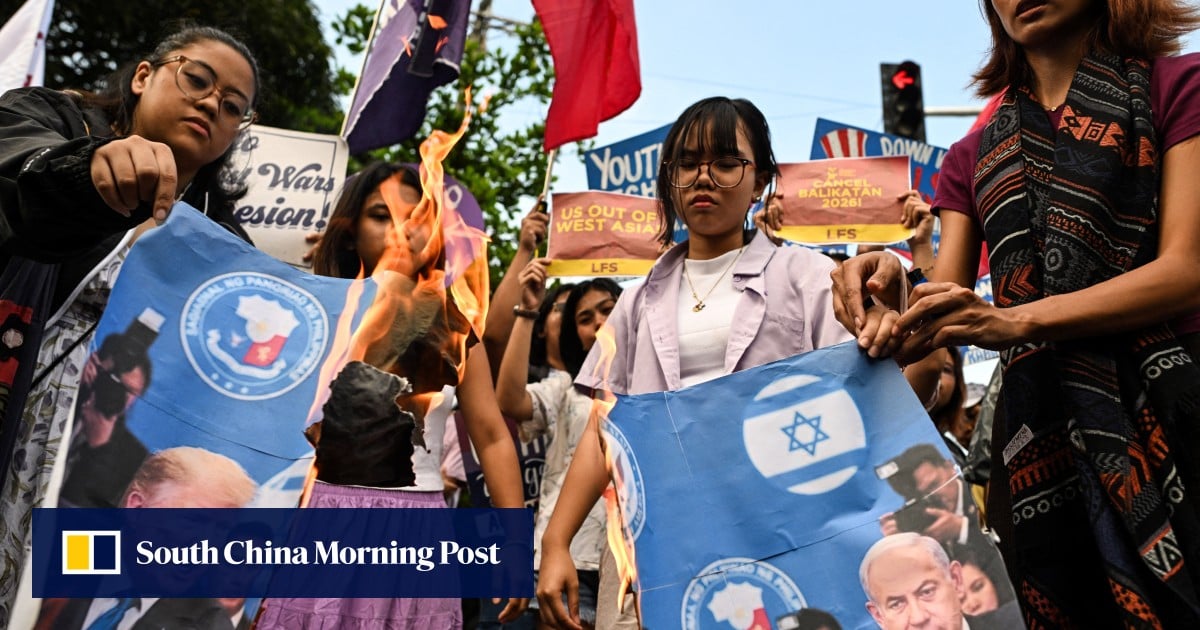
Philippines battles US-Iran war fuel crisis with air con limits, flexible work plan
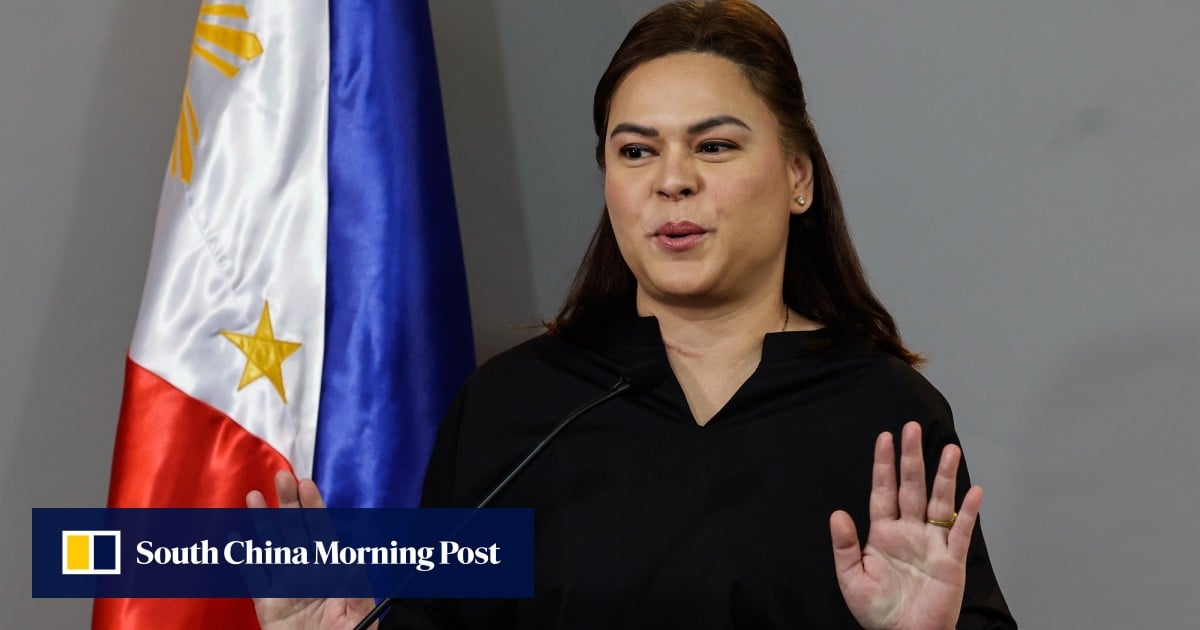
Philippines advances Sara Duterte impeachment case, but ‘this is not a cakewalk’
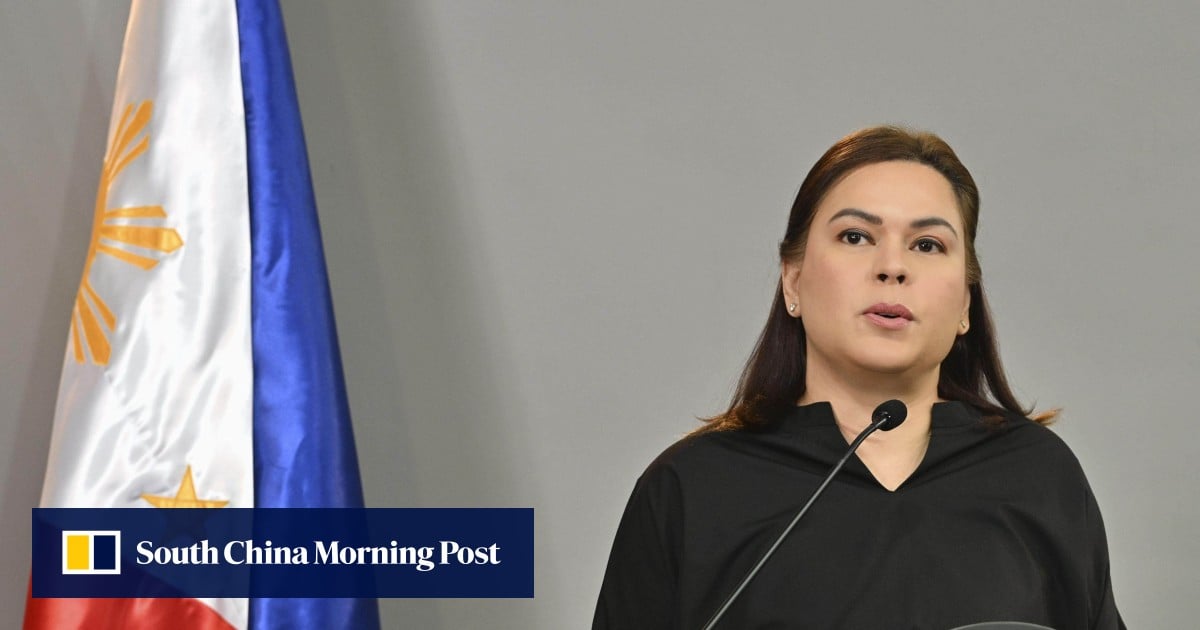
Outrage in Philippines over lawmaker’s ‘sexist’ remarks in defence of VP Sara Duterte
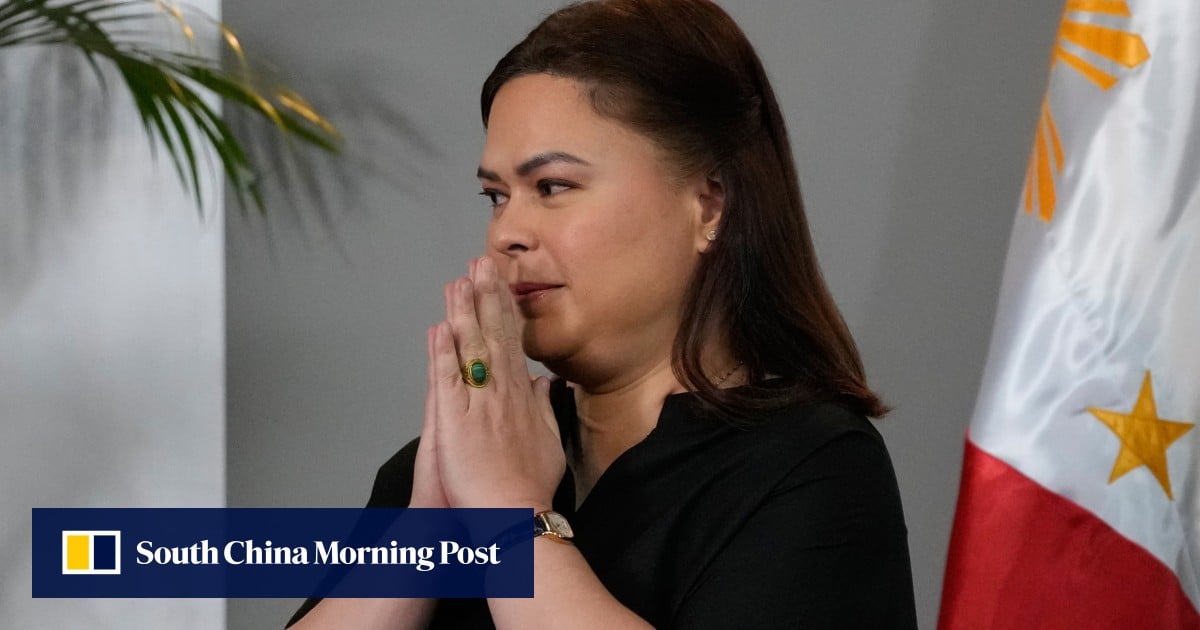
Philippines’ Duterte-Carpio ordered to answer impeachment charges over wealth, threats
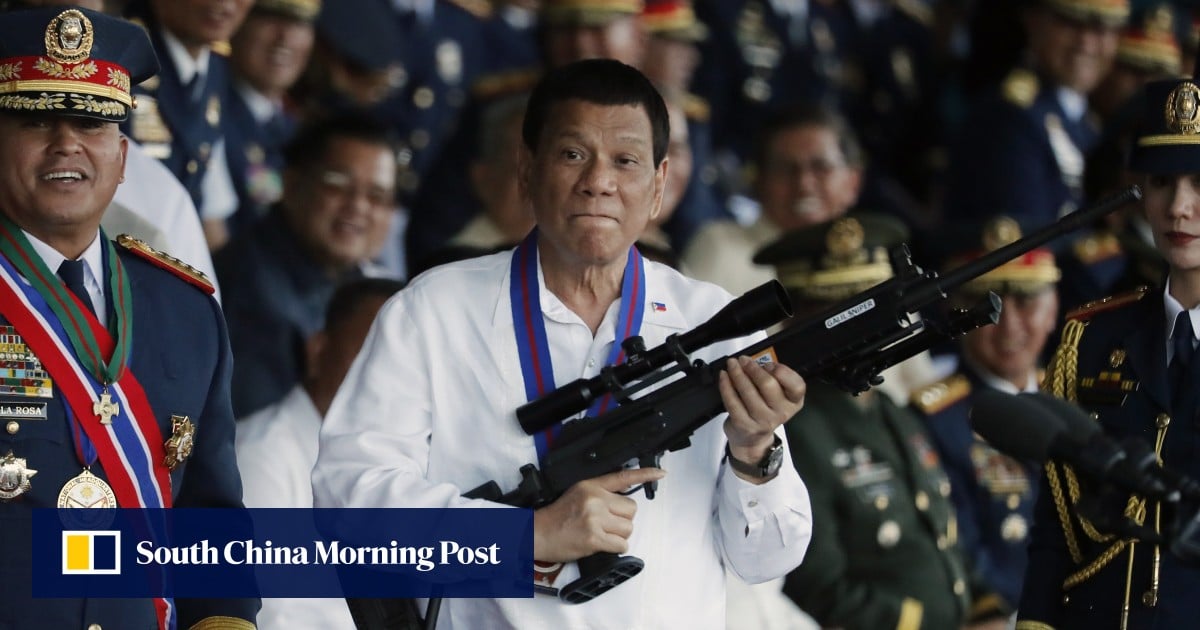
Allies of Philippines’ Duterte step up online attacks as drug war trial looms
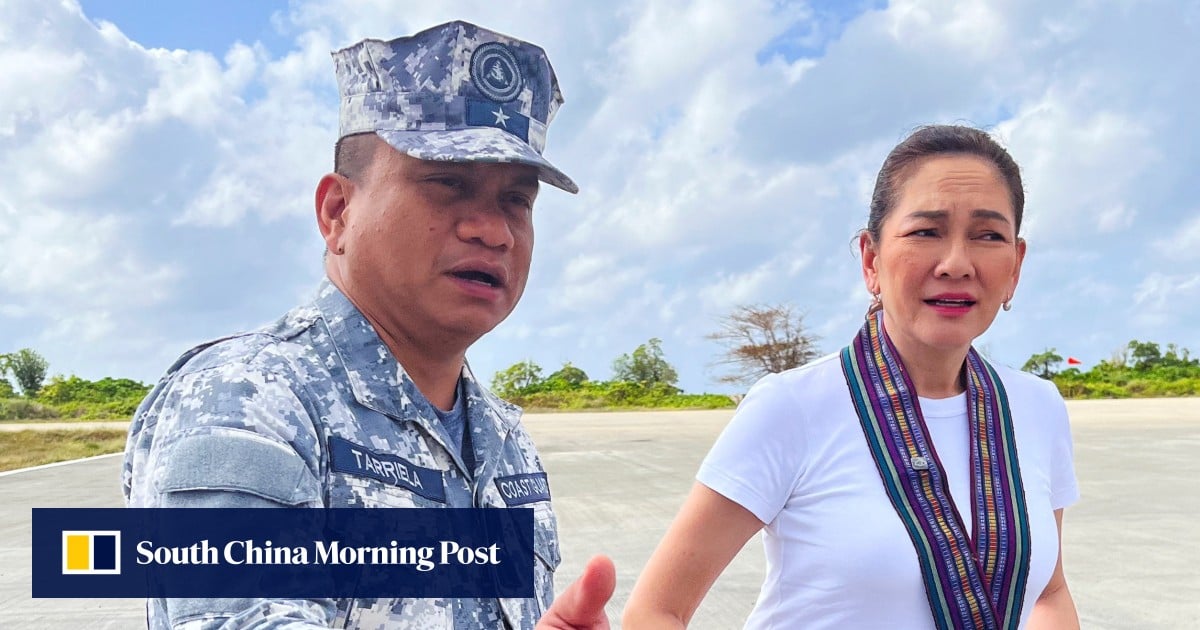
Philippines promotes coastguard officer in ‘deliberate signal’ on South China Sea dispute