British food sector representatives have urged the government to introduce a transition period if it agrees to realign post-Brexit agriculture rules with the EU.They warned that aligning regulations overnight would create a “cliff edge” that could cost UK businesses between £500m and £810m a year, because of the divergence in standards since Brexit.David Bench, chief executive of Croplife, a trade organisation that represents the agrichemical sector, said: “If we do not have a transition period, it would have very damaging consequences.”The warning comes days after the president of the National Farmers’ Union (NFU) said that British oats used in cereals, snack bars, meatballs and veggie burgers could be rendered unsellable in the EU, because British farmers for the past five years have been allowed to use certain fungicides not yet approved by the EU.The point of the UK-EU reset is to remove the barriers that have led thousands of businesses to stop exporting to the EU, and to reduce supermarket prices.The parliamentary trade select committee has said the extra red tape was costing the UK an extra £8.4bn, with goods trade down 18% on five years ago, and food and drink down 24%.Concerns are being raised as the EU and the UK start technical talks on a new sanitary and phytosanitary (SPS) agreement, one of the targets laid out at the “reset” summit last May between Keir Starmer and the European Commission chief, Ursula von der Leyen.If an SPS deal entered into force on 1 January 2027, for example, crops grown in 2026 under British rules but still in grain stores in 2027 would be rendered unsellable in the EU, the NFU has said.Talks between British and EU officials began in London last week with the aim of removing much of the Brexit paperwork for both sides.One transport chief told the trade select committee Brexit paperwork had been “pure hell”, with one truck held up for as long as 27 days in Calais simply because it did not have the right certificates for a frozen beef cargo.The Andersons Centre, a consultancy commissioned by Croplife to quantify the cost of realigning with EU rules, said in its report that the UK “has maintained equivalent legal, scientific, and technical standards to the EU, as it adopted EU legislation wholesale following EU exit”.However, UK and EU decisions on plant protection – including pesticides and herbicides – have diverged, with Britain, for example, allowing four new pesticides and herbicides to be used on farms that are still in the approval process in the EU.The plea from the industry comes as farming representatives complain of lack of engagement on the topic with the government.Industry figures fear the government has prioritised secrecy over engagement with sector chiefs.Bench said: “The impact of a ‘cliff-edge scenario’ on British growers could be devastating. At a time of increasing pressure on farm profitability, this could prove a tipping point for many farmers and growers.”Croplife and the NFU have called for any realignment to be phased in over at least a year, as happened with Brexit – but ideally over a longer period.
SRCThe Guardian - World News
LANGEN
LEANCenter-Left
WORDS512
ENT6
THU · 2026-01-29 · 00:01 GMTBRIEF NSR-2026-0129-11472
NSR-2026-0129-11472News Report·EN·Economic Impact
Food sector calls for transition period if UK and EU agree post-Brexit rules reset
British food sector representatives are advocating for a transition period if the UK and EU agree to realign post-Brexit agricultural regulations. They warn that abruptly aligning standards could cost UK businesses £500m-£810m annually due to regulatory divergence since Brexit.
Lisa O’CarrollThe Guardian - World NewsFiled 2026-01-29 · 00:01 GMTLean · Center-LeftRead · 3 min
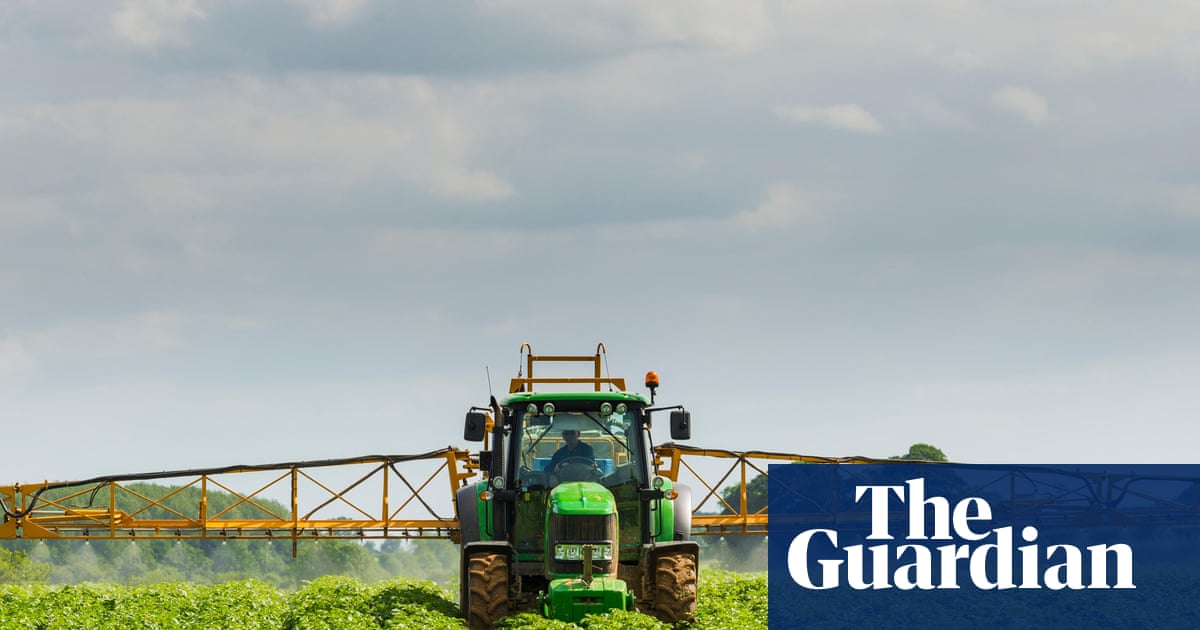
The Guardian - World NewsFIG 01
Reading time
3min
Word count
512words
Sources cited
5cited
Entities identified
6entities
Quality score
100%
§ 01
Briefing Summary
AI-generatedNEWSAR · AI
British food sector representatives are advocating for a transition period if the UK and EU agree to realign post-Brexit agricultural regulations. They warn that abruptly aligning standards could cost UK businesses £500m-£810m annually due to regulatory divergence since Brexit. Concerns stem from ongoing UK-EU talks aimed at a new sanitary and phytosanitary (SPS) agreement to reduce trade barriers. The NFU highlights that crops grown under current UK rules might become unsellable in the EU if regulations change without a transition. The push for regulatory alignment seeks to address increased red tape that has negatively impacted UK-EU trade, costing the UK billions. Talks began last week in London, with the goal of reducing Brexit paperwork for both sides.
Confidence 0.90Sources 5Claims 5Entities 6
§ 02
Article analysis
Model · rule-basedFraming
Economic Impact
Political Strategy
Tone
Measured
AI-assessed
CalmNeutralAlarmist
Factuality
0.70 / 1.00
Factual
LowHigh
Sources cited
5
Well sourced
FewMany
§ 03
Key claims
5 extracted01
British farmers have been allowed to use certain fungicides not yet approved by the EU.
factualNational Farmers’ Union (NFU)
Confidence
1.00
02
Goods trade is down 18% and food and drink down 24% on five years ago.
statisticparliamentary trade select committee
Confidence
0.90
03
Extra red tape was costing the UK an extra £8.4bn.
statisticparliamentary trade select committee
Confidence
0.90
04
Aligning regulations overnight could cost UK businesses between £500m and £810m a year.
predictionBritish food sector representatives
Confidence
0.80
05
One truck held up for as long as 27 days in Calais due to paperwork issues.
quoteOne transport chief
Confidence
0.70
§ 04
Full report
3 min read · 512 words§ 05
Entities
6 identified§ 06
Keywords & salience
10 termsbrexit
0.90
transition period
0.80
uk-eu relations
0.80
agriculture rules
0.70
food sector
0.70
sanitary and phytosanitary agreement
0.60
trade barriers
0.60
trade
0.50
pesticides
0.50
standards divergence
0.40
§ 07
Topic connections
Interactive graph Network visualization showing 51 related topics
View Full Graph Person Organization Location Event|Click node to navigate|Edge numbers = shared articles