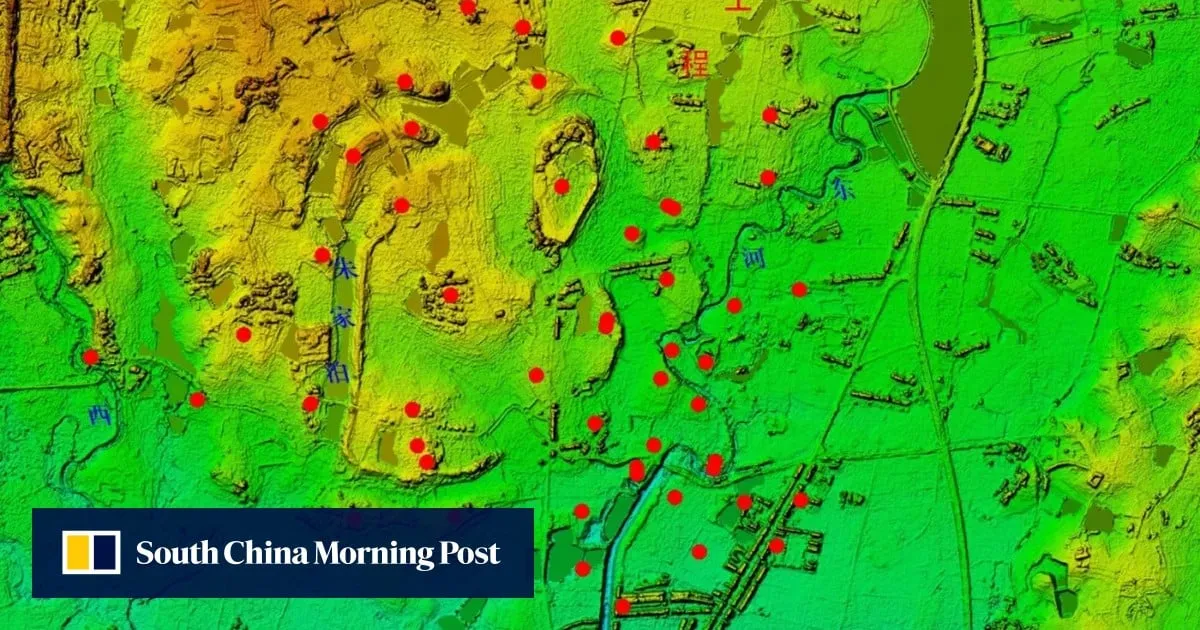
While some Western scholars have maintained that the development of large-scale water projects fostered what they called “Oriental despotism”, new archaeological evidence from China has presented a different story.According to the Key Laboratory of Archaeological Science and Cultural Heritage Protection at the Chinese Academy of Social Sciences, the study has pushed the history of large-scale water conservancy in China back by nearly 3,000 years.Researcher Liu Jianguo said in Beijing on January 14 that ancient Chinese societies had been building hydraulic water systems as early as 5,000 years ago, with widespread evidence of projects across the middle and lower reaches of the Yangtze Plain.“This challenges the previous erroneous theory of Western scholars that ‘water projects led to Eastern despotism’,” he said, referring to a concept that originated with German-American historian Karl August Wittfogel’s 1957 work, Oriental Despotism: A Comparative Study of Total Power.Wittfogel argued that the formation and development of Eastern societies were inextricably linked to water management, positing that the construction and administration of large-scale hydraulic projects required a powerful, centralised organisation leading to a political system distinct from the West.Liu countered Wittfogel’s theory, saying the study found that prehistoric communities across various regions of China began collaborating on family or clan-based projects, such as digging ponds for water storage, irrigation and flood control.
SRCSouth China Morning Post
LANGEN
LEANCenter-Right
WORDS214
ENT5
THU · 2026-01-29 · 07:00 GMTBRIEF NSR-2026-0129-11539
NSR-2026-0129-11539News Report·EN·Political Strategy
How China’s 5,100-year-old dams challenge Western narratives on despotism
A new study from the Chinese Academy of Social Sciences challenges the Western theory of "Oriental despotism," which argues that large-scale water projects led to centralized, authoritarian rule in Eastern societies. Archaeological evidence indicates that hydraulic systems in China date back 5,000 years, nearly 3,000 years earlier than previously thought.
Shi HuangSouth China Morning PostFiled 2026-01-29 · 07:00 GMTLean · Center-RightRead · 1 min
South China Morning PostFIG 01
Reading time
1min
Word count
214words
Sources cited
2cited
Entities identified
5entities
Quality score
100%
§ 01
Briefing Summary
AI-generatedNEWSAR · AI
A new study from the Chinese Academy of Social Sciences challenges the Western theory of "Oriental despotism," which argues that large-scale water projects led to centralized, authoritarian rule in Eastern societies. Archaeological evidence indicates that hydraulic systems in China date back 5,000 years, nearly 3,000 years earlier than previously thought. Researcher Liu Jianguo states that these projects, found across the Yangtze Plain, were initially collaborative efforts among families and clans for water storage, irrigation, and flood control. This finding contradicts the theory, popularized by Karl August Wittfogel, that large water projects necessitated a powerful, centralized state. The study suggests a different model of societal development in ancient China, based on decentralized cooperation.
Confidence 0.90Sources 2Claims 5Entities 5
§ 02
Article analysis
Model · rule-basedFraming
Political Strategy
Diplomatic
Tone
Measured
AI-assessed
CalmNeutralAlarmist
Factuality
0.70 / 1.00
Factual
LowHigh
Sources cited
2
Limited
FewMany
§ 03
Key claims
5 extracted01
Wittfogel argued Eastern societies' development was linked to water management, requiring a powerful, centralised organisation.
factual
Confidence
0.90
02
Ancient Chinese societies had been building hydraulic water systems as early as 5,000 years ago.
quoteLiu Jianguo
Confidence
0.90
03
The study has pushed the history of large-scale water conservancy in China back by nearly 3,000 years.
factualKey Laboratory of Archaeological Science and Cultural Heritage Protection
Confidence
0.90
04
New archaeological evidence from China challenges Western narratives on despotism related to large-scale water projects.
factual
Confidence
0.80
05
Water projects led to Eastern despotism is an erroneous theory.
quoteLiu Jianguo
Confidence
0.70
§ 04
Full report
1 min read · 214 words§ 05
Entities
5 identifiedKey playerOppositionContextPositiveNeutralNegative
Organizations1
§ 06
Keywords & salience
9 termswater projects
1.00
oriental despotism
0.90
hydraulic systems
0.80
china
0.70
water conservancy
0.60
archaeological evidence
0.60
karl august wittfogel
0.50
flood control
0.40
irrigation
0.40
§ 07
Topic connections
Interactive graph Network visualization showing 51 related topics
View Full Graph Person Organization Location Event|Click node to navigate|Edge numbers = shared articles