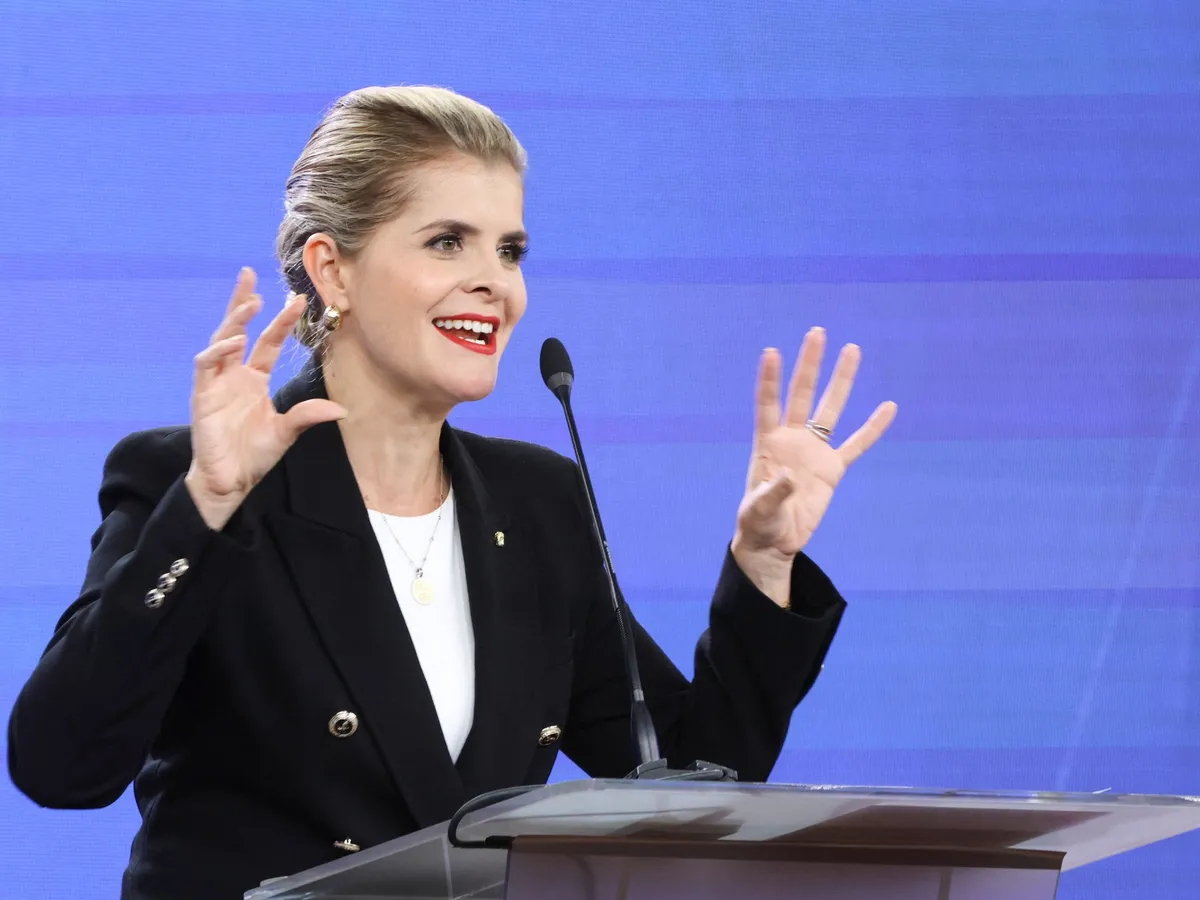
Laura Fernandez, President Rodrigo Chaves’s protege and former chief of staff, is a frontrunner and could avoid an April 5 run-off.Published On 1 Feb 2026Polls have opened in the Costa Rica general election as the centre-right populist government seeks to extend its mandate and secure control of the Legislative Assembly at a time when drug-fuelled violence has gripped the country.Voting stations opened at 6am local time (12:00 GMT) on Sunday and will remain open until 6pm (24:00 GMT), with early trends likely within hours.Recommended Stories list of 4 itemslist 1 of 4A vote for continuity? What to know for Costa Rica’s presidential electionlist 2 of 4Chaves Robles becomes first Costa Rican president to face loss of immunitylist 3 of 4All the big elections to look out for in 2026list 4 of 4Who’s in, who’s out: Which teams have qualified for the FIFA World Cup?end of listLaura Fernandez, President Rodrigo Chaves’s protege and former chief of staff, is leading in the polls with more than 40 percent, enough to win outright and avoid an April 5 run-off. She has pledged to continue Chaves’s tough security policies and anti-establishment message.Her closest rivals in the 20-candidate field are Alvaro Ramos, a centrist economist representing Costa Rica’s oldest political party, and Claudia Dobles, an architect representing a progressive coalition and a former first lady whose husband, Carlos Alvarado, served as president from 2018 to 2022.Both are polling in the single digits but are seen as the two most likely to compete in a possible run-off if Fernandez falls short of 40 percent.Fernandez has also urged voters to hand her 40 seats in the country’s 57-seat Legislative Assembly, a supermajority that would allow her to pursue constitutional reforms. The current government holds just eight seats and has blamed congressional gridlock for blocking its agenda.Polls show about a quarter of the 3.7 million voters remain undecided, with the largest group being between the ages of 18 and 34 and from the coastal provinces of Guanacaste, Puntarenas and Limon.
SRCAl Jazeera
LANGEN
LEANCenter
WORDS332
ENT6
SUN · 2026-02-01 · 12:39 GMTBRIEF NSR-2026-0201-12418
NSR-2026-0201-12418News Report·EN·Political Strategy
Polls open in Costa Rica as centre-right populists aim to extend mandate
Costa Rica held general elections on February 1, 2026, as the center-right populist government sought to extend its mandate amid rising drug-fueled violence. Voters cast ballots for president and members of the Legislative Assembly.
By News AgenciesAl JazeeraFiled 2026-02-01 · 12:39 GMTLean · CenterRead · 2 min
Al JazeeraFIG 01
Reading time
2min
Word count
332words
Sources cited
0cited
Entities identified
6entities
Quality score
100%
§ 01
Briefing Summary
AI-generatedNEWSAR · AI
Costa Rica held general elections on February 1, 2026, as the center-right populist government sought to extend its mandate amid rising drug-fueled violence. Voters cast ballots for president and members of the Legislative Assembly. Laura Fernandez, President Rodrigo Chaves’s protege, is the frontrunner, hoping to win outright and avoid a runoff election on April 5. Her main rivals are centrist Alvaro Ramos and progressive Claudia Dobles. Fernandez has campaigned on continuing Chaves' security policies and seeks a supermajority in the Assembly to enact constitutional reforms, blaming congressional gridlock for hindering the current government's agenda. A significant portion of voters, particularly young adults in coastal provinces, remained undecided leading up to the election.
Confidence 0.90Claims 5Entities 6
§ 02
Article analysis
Model · rule-basedFraming
Political Strategy
National Security
Tone
Measured
AI-assessed
CalmNeutralAlarmist
Factuality
0.80 / 1.00
Factual
LowHigh
Sources cited
0
No named sources
FewMany
§ 03
Key claims
5 extracted01
About a quarter of the 3.7 million voters remain undecided.
statistic
Confidence
1.00
02
Fernandez has urged voters to hand her 40 seats in the country’s 57-seat Legislative Assembly.
factual
Confidence
1.00
03
Alvaro Ramos and Claudia Dobles are polling in the single digits.
statistic
Confidence
1.00
04
Laura Fernandez is leading in the polls with more than 40 percent.
statistic
Confidence
1.00
05
Laura Fernandez is President Rodrigo Chaves’s protege and former chief of staff.
factual
Confidence
1.00
§ 04
Full report
2 min read · 332 words§ 05
Entities
6 identifiedKey playerOppositionContextPositiveNeutralNegative
People4
Organizations1
Locations1
§ 06
Keywords & salience
9 termscosta rica election
1.00
populist government
0.80
centre-right
0.70
legislative assembly
0.70
laura fernandez
0.60
drug-fuelled violence
0.60
rodrigo chaves
0.50
political party
0.40
constitutional reforms
0.40
§ 07
Topic connections
Interactive graph Network visualization showing 26 related topics
View Full Graph Person Organization Location Event|Click node to navigate|Edge numbers = shared articles