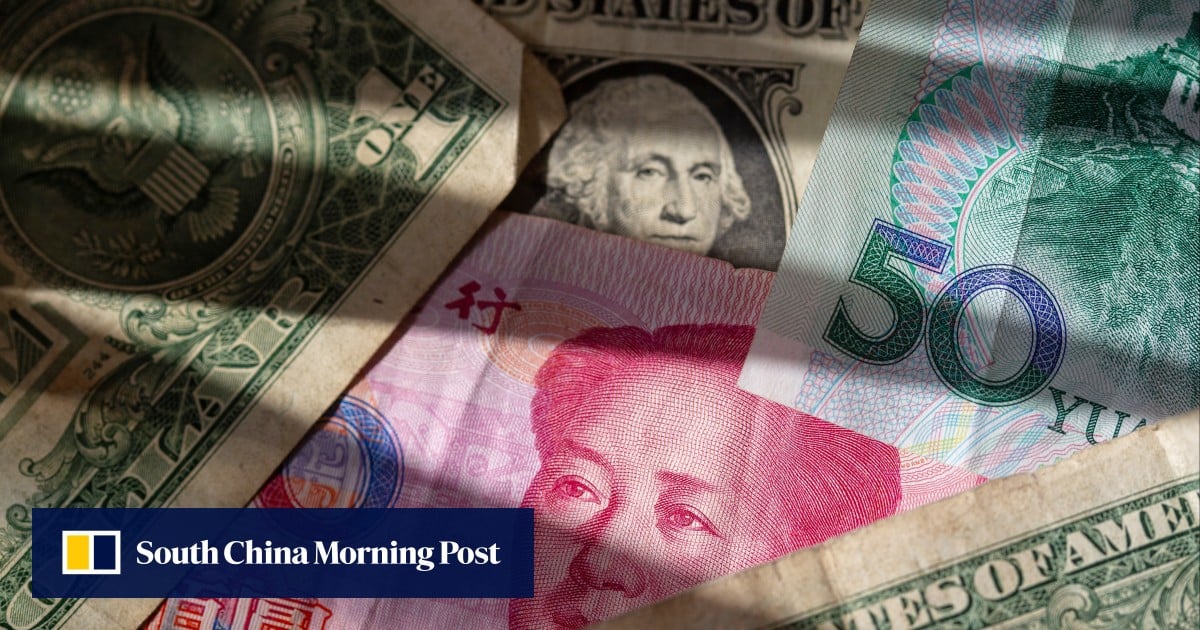
Trade war, global instability push de-dollarisation into China’s academic mainstream
AI Summary
De-dollarisation is gaining traction in China's academic and policy spheres due to concerns about the U.S. potentially weaponizing the dollar. Research on the topic has surged, particularly after 2022, with a doubling of papers published between 2023 and 2025 compared to the previous three years. This interest intensified following global economic instability stemming from U.S. trade actions and geopolitical moves starting in 2025. Chinese scholars are advocating for reduced reliance on U.S. dollar assets, especially after the freezing of Russian foreign exchange reserves in 2022. In response, China has been reducing its U.S. Treasury holdings, strengthening ties with emerging markets, promoting yuan internationalization, increasing gold reserves, and developing digital currency initiatives.
Key Entities & Roles
Keywords
Sentiment Analysis
Source Transparency
This article was automatically classified using rule-based analysis. The political bias score ranges from -1 (far left) to +1 (far right).
Topic Connections
Explore how the topics in this article connect to other news stories