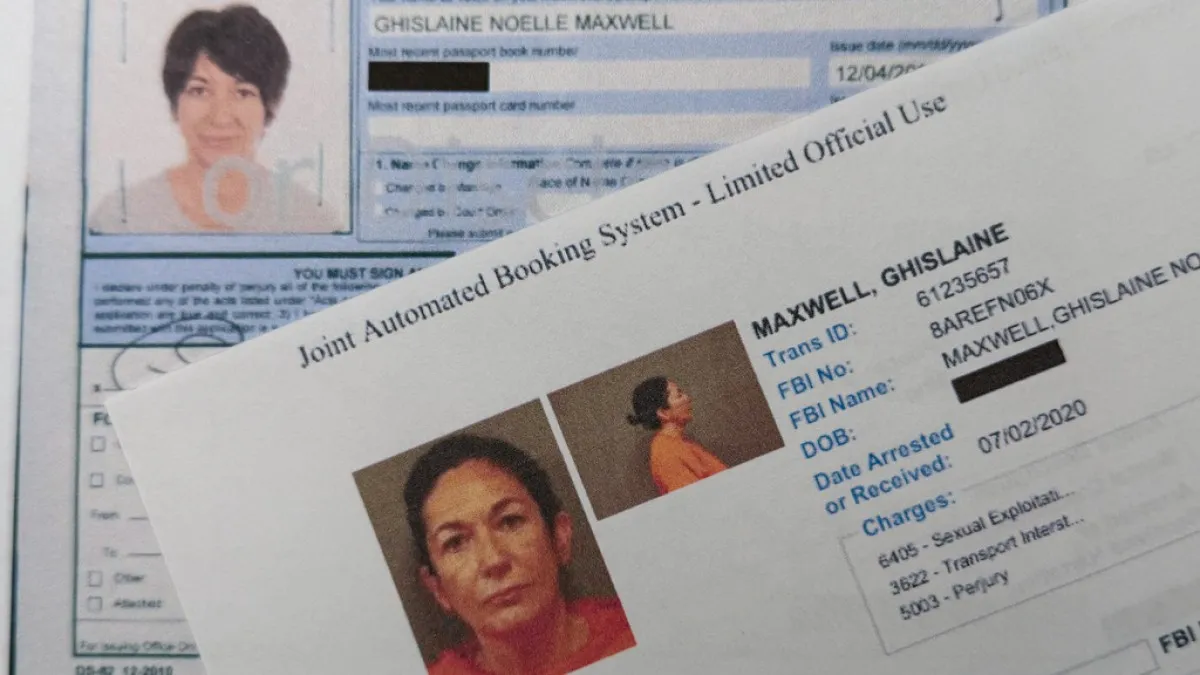
Ghislaine Maxwell avoids answering questions on alleged co-conspirators in case of convicted sex offender Jeffrey Epstein.Published On 9 Feb 2026The associate and former girlfriend of convicted late sex offender Jeffrey Epstein has declined to answer questions during a deposition before the United States Congress.Lawmakers expressed frustration after Ghislaine Maxwell, currently serving a 20-year prison sentence for her role in helping Epstein abuse teenage girls, invoked her Fifth Amendment right against self-incrimination.Recommended Stories list of 3 itemslist 1 of 3UK PM’s top aide quits over Mandelson’s links to Epsteinlist 2 of 3Epstein pressed billionaire media mogul to influence coverage, files reveallist 3 of 3‘Tell the truth’: Epstein survivors demand justice in Super Bowl adend of list“As expected, Ghislaine Maxwell took the Fifth and refused to answer any questions,” Representative James Comer, Republican chairman of the House Oversight Committee, told reporters. “This is obviously very disappointing.”“We had many questions to ask about the crimes she and Epstein committed as well as questions about potential co-conspirators,” he added.Maxwell was subpoenaed to appear before the committee to discuss her relations with Epstein, but her lawyers stated that she would only testify if US President Donald Trump granted her clemency. Lawmakers had declined a previous request to grant Maxwell legal immunity before testifying.“She [Maxwell] pleaded the Fifth, which under the US Constitution gives you the right not to answer questions on the grounds that you might incriminate yourself,” said Al Jazeera correspondent Alan Fisher.“People were waiting to hear answers to important questions, but we got nothing from Ghislaine Maxwell,” he added. “What she did say, very briefly, was that she never saw any evidence of Donald Trump or [former US President] Bill Clinton involved in anything that was illegal. Many people suggest that was a deliberate ploy on her part to say, ‘Look, you buy my silence, but I want clemency.’ She’s appealing to both parties here to say, ‘I will clear the people that you care most about.'”In a letter released on Sunday by Representative Ro Khanna expressing frustration with Maxwell’s refusal to testify, Khanna noted that Maxwell had spoken with Deputy Attorney General Todd Blanche, who previously worked as Trump’s personal lawyer, without invoking the Fifth Amendment.
SRCAl Jazeera
LANGEN
LEANCenter
WORDS364
ENT10
MON · 2026-02-09 · 19:36 GMTBRIEF NSR-2026-0209-14832
NSR-2026-0209-14832News Report·EN·Legal & Judicial
US Congress seeks answers, Maxwell invokes Fifth amid Epstein case tensions
Ghislaine Maxwell, serving a 20-year sentence for her role in Jeffrey Epstein's sex trafficking crimes, invoked her Fifth Amendment right against self-incrimination during a deposition before the US Congress in February 2026. Lawmakers sought answers regarding her crimes, Epstein's activities, and potential co-conspirators.
By News AgenciesAl JazeeraFiled 2026-02-09 · 19:36 GMTLean · CenterRead · 2 min
Al JazeeraFIG 01
Reading time
2min
Word count
364words
Sources cited
4cited
Entities identified
10entities
Quality score
100%
§ 01
Briefing Summary
AI-generatedNEWSAR · AI
Ghislaine Maxwell, serving a 20-year sentence for her role in Jeffrey Epstein's sex trafficking crimes, invoked her Fifth Amendment right against self-incrimination during a deposition before the US Congress in February 2026. Lawmakers sought answers regarding her crimes, Epstein's activities, and potential co-conspirators. Maxwell's lawyers indicated she would only testify if granted clemency, a request previously denied. While refusing to answer most questions, Maxwell stated she never witnessed illegal activity involving former Presidents Trump or Clinton. Lawmakers expressed disappointment, noting Maxwell had previously spoken without invoking the Fifth Amendment in other instances.
Confidence 0.90Sources 4Claims 5Entities 10
§ 02
Article analysis
Model · rule-basedFraming
Legal & Judicial
Political Strategy
Tone
Measured
AI-assessed
CalmNeutralAlarmist
Factuality
0.80 / 1.00
Factual
LowHigh
Sources cited
4
Well sourced
FewMany
§ 03
Key claims
5 extracted01
Maxwell spoke with Deputy Attorney General Todd Blanche without invoking the Fifth Amendment.
factualRepresentative Ro Khanna
Confidence
1.00
02
Maxwell stated she never saw any evidence of Donald Trump or Bill Clinton involved in anything illegal.
quoteGhislaine Maxwell
Confidence
1.00
03
Maxwell is serving a 20-year prison sentence for her role in helping Epstein abuse teenage girls.
factualAl Jazeera
Confidence
1.00
04
Maxwell invoked her Fifth Amendment right against self-incrimination.
factualAl Jazeera
Confidence
1.00
05
Ghislaine Maxwell declined to answer questions during a deposition before the United States Congress.
factualAl Jazeera
Confidence
1.00
§ 04
Full report
2 min read · 364 words§ 05
Entities
10 identifiedKey playerOppositionContextPositiveNeutralNegative
People8
Organizations1
Locations1
§ 06
Keywords & salience
10 termsghislaine maxwell
1.00
jeffrey epstein
0.90
fifth amendment
0.80
congressional testimony
0.70
sex offender
0.60
co-conspirators
0.60
donald trump
0.50
legal immunity
0.50
bill clinton
0.40
clemency
0.40
§ 07
Topic connections
Interactive graph Network visualization showing 21 related topics
View Full Graph Person Organization Location Event|Click node to navigate|Edge numbers = shared articles