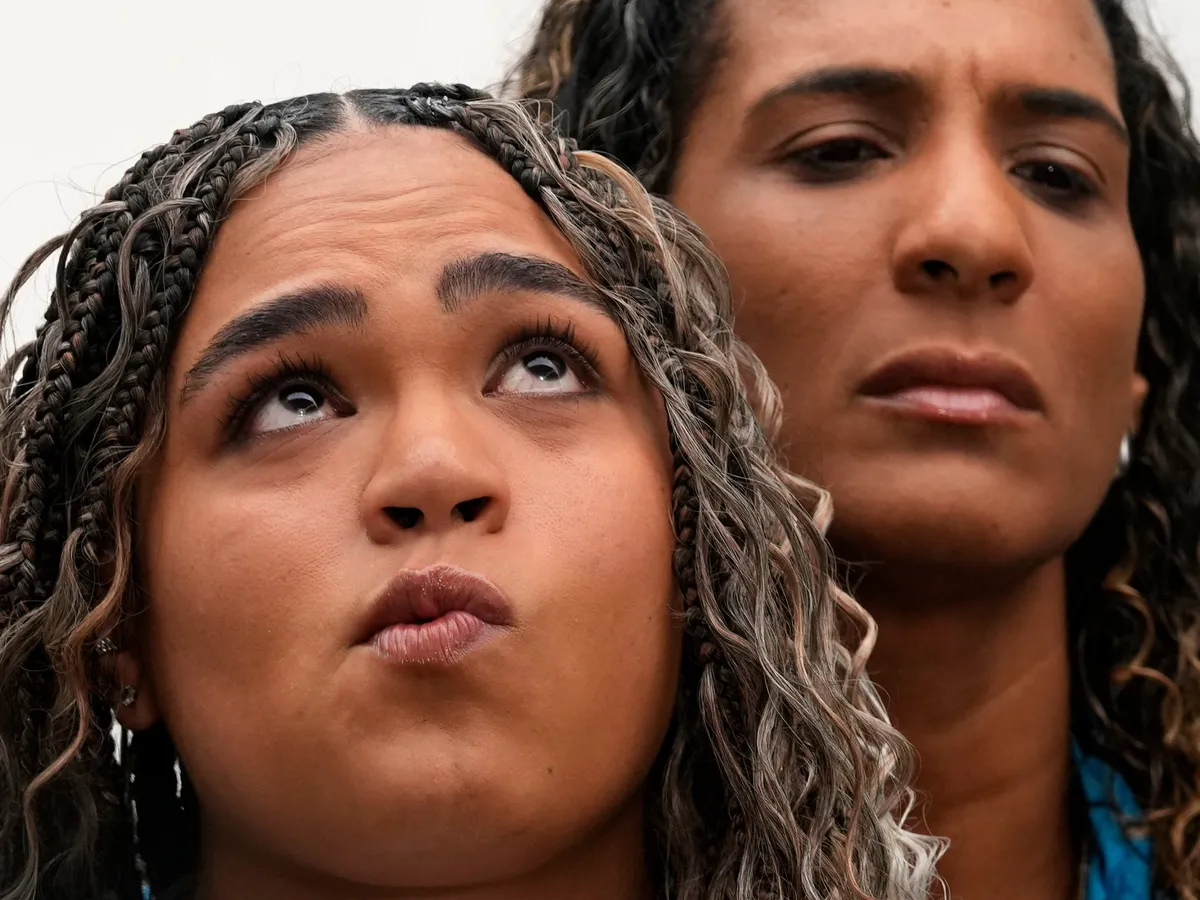
The shooting of Franco, an activist, raised questions about political violence and corruption within Brazil’s government.Published On 26 Feb 2026A panel on Brazil’s Supreme Court has ruled to convict five men accused of plotting the 2018 assassination of a human rights leader-turned politician Marielle Franco and her driver, Anderson Gomes.The justices on the panel were unanimous in Wednesday’s decision, which marked the climax of a closely watched trial that raised questions about polarisation, corruption and race in Brazilian society.Recommended Stories list of 3 itemslist 1 of 3‘Marielle lives!’ Brazil remembers slain activistlist 2 of 3The Murder of Marielle Francolist 3 of 3Brazilian police arrest new suspect in killing of Marielle Francoend of list“Human justice is not capable of soothing this pain,” Justice Carmen Lucia told the victims’ families, as the court handed down decades-long sentences to the five defendants.At the time of her death, Franco, 38, was a city councillor in the city of Rio de Janeiro, just one year into her term. She was considered an up-and-coming member of the left-wing Socialism and Liberty Party.A Black woman from the favelas — Brazil’s densely populated, low-income neighbourhoods — Franco was best known for campaigning for the rights of LGBTQ people, racial minorities and women.She had also used her platform to denounce excessive police violence in the favelas, as well as illicit land appropriations on the part of local authorities.On March 14, 2018, after an evening debate in Rio de Janeiro, a car pulled alongside the vehicle carrying Franco and Gomes.The assailant fired 13 bullets into their vehicle. Franco and Gomes were killed, and an aide also travelling in the vehicle was injured.Prosecutors have called the attack an assassination, designed to silence Franco and prevent her from pushing back against powerful interests.
SRCAl Jazeera
LANGEN
LEANCenter
WORDS291
ENT6
THU · 2026-02-26 · 01:37 GMTBRIEF NSR-2026-0226-19323
NSR-2026-0226-19323News Report·EN·Legal & Judicial
Brazil’s Supreme Court imposes steep sentences for Marielle Franco murder
In February 2026, Brazil's Supreme Court convicted five men for plotting the 2018 assassination of Marielle Franco, a human rights activist and Rio de Janeiro city councilor, and her driver, Anderson Gomes. The unanimous decision concluded a trial that highlighted issues of political violence, corruption, and racial inequality in Brazil.
By Reuters and The Associated PressAl JazeeraFiled 2026-02-26 · 01:37 GMTLean · CenterRead · 2 min
Al JazeeraFIG 01
Reading time
2min
Word count
291words
Sources cited
1cited
Entities identified
6entities
Quality score
100%
§ 01
Briefing Summary
AI-generatedNEWSAR · AI
In February 2026, Brazil's Supreme Court convicted five men for plotting the 2018 assassination of Marielle Franco, a human rights activist and Rio de Janeiro city councilor, and her driver, Anderson Gomes. The unanimous decision concluded a trial that highlighted issues of political violence, corruption, and racial inequality in Brazil. Franco, a Black woman from the favelas, was known for advocating for LGBTQ rights, racial minorities, and women, and for denouncing police violence and corruption. The assassination occurred on March 14, 2018, when assailants fired 13 bullets into Franco's vehicle after she attended an evening debate. Prosecutors argued the attack was designed to silence Franco's activism against powerful interests. The court handed down decades-long sentences to the defendants.
Confidence 0.90Sources 1Claims 5Entities 6
§ 02
Article analysis
Model · rule-basedFraming
Legal & Judicial
Human Rights
Tone
Measured
AI-assessed
CalmNeutralAlarmist
Factuality
0.80 / 1.00
Factual
LowHigh
Sources cited
1
Limited
FewMany
§ 03
Key claims
5 extracted01
"Human justice is not capable of soothing this pain," Justice Carmen Lucia told the victims’ families.
quoteJustice Carmen Lucia
Confidence
1.00
02
At the time of her death, Franco, 38, was a city councillor in the city of Rio de Janeiro.
factual
Confidence
1.00
03
The justices on the panel were unanimous in Wednesday’s decision.
factual
Confidence
1.00
04
A panel on Brazil’s Supreme Court has ruled to convict five men accused of plotting the 2018 assassination of Marielle Franco and her driver.
factual
Confidence
1.00
05
She was considered an up-and-coming member of the left-wing Socialism and Liberty Party.
factual
Confidence
0.90
§ 04
Full report
2 min read · 291 words§ 05
Entities
6 identifiedKey playerOppositionContextPositiveNeutralNegative
People3
Organizations1
§ 06
Keywords & salience
10 termsmarielle franco murder
1.00
brazil
0.80
political violence
0.80
corruption
0.70
assassination
0.60
human rights
0.60
supreme court
0.60
racial minorities
0.50
police violence
0.50
lgbtq rights
0.50
§ 07
Topic connections
Interactive graph No topic relationship data available yet. This graph will appear once topic relationships have been computed.