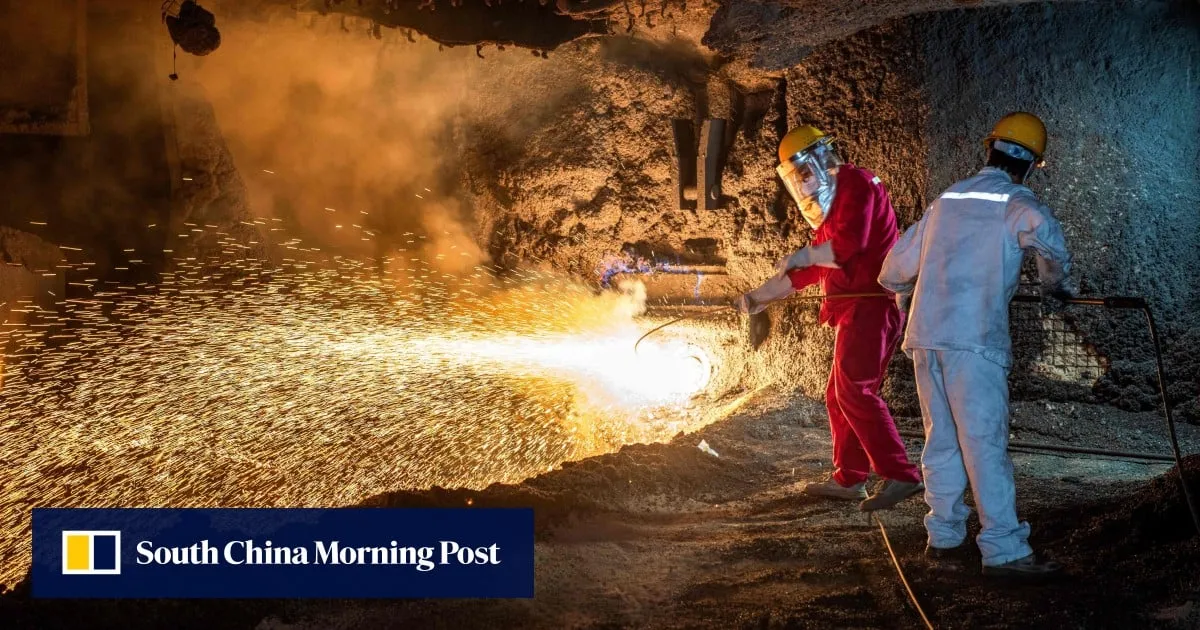
China and South Korea have resolved a trade dispute over hot-rolled steel coils through a price-undertaking deal, mirroring the solution used in China’s electric vehicle (EV) stand-off with the European Union.Analysts say the deal, which will see exporters raise export prices to avoid anti‑dumping duties, could avert punitive tariffs and safeguard market access for Chinese exports.The China Iron and Steel Association said in a statement issued on Thursday night that it “welcomed and supported” the use of a price-undertaking agreement to resolve an anti-dumping case initiated by South Korea last March.John Gong, a professor of economics at the University of International Business and Economics in Beijing, said: “Price undertaking could be a good solution when China faces significant pressure as a manufacturing and export powerhouse in the current global trade environment.”He said such deals allowed the price premium to stay with exporting companies rather than being captured as punitive duties by importing countries.China’s Ministry of Commerce also welcomed the “soft landing” in the dispute earlier in the week, noting that substituting anti-dumping duties with price commitments served the industrial interests of both nations. It said the deal would enhance the stability and predictability of the bilateral steel trade.
SRCSouth China Morning Post
LANGEN
LEANCenter-Right
WORDS198
ENT6
SAT · 2026-02-28 · 08:00 GMTBRIEF NSR-2026-0228-20044
NSR-2026-0228-20044News Report·EN·Economic Impact
From EVs to steel, how China’s price-setting deals are easing trade tensions
China and South Korea resolved a trade dispute over hot-rolled steel coils using a price-undertaking deal, similar to the agreement used to ease EV trade tensions with the EU. The deal, announced this week, involves Chinese exporters raising prices to avoid anti-dumping duties imposed by South Korea in March.
Carol YangSouth China Morning PostFiled 2026-02-28 · 08:00 GMTLean · Center-RightRead · 1 min
South China Morning PostFIG 01
Reading time
1min
Word count
198words
Sources cited
3cited
Entities identified
6entities
Quality score
100%
§ 01
Briefing Summary
AI-generatedNEWSAR · AI
China and South Korea resolved a trade dispute over hot-rolled steel coils using a price-undertaking deal, similar to the agreement used to ease EV trade tensions with the EU. The deal, announced this week, involves Chinese exporters raising prices to avoid anti-dumping duties imposed by South Korea in March. Analysts suggest this approach averts tariffs and maintains market access for Chinese exports. The China Iron and Steel Association supports the deal, as it allows exporting companies to retain the price premium instead of it being collected as duties. China's Ministry of Commerce also welcomed the agreement, stating it benefits both nations' industrial interests and enhances stability in bilateral steel trade.
Confidence 0.90Sources 3Claims 5Entities 6
§ 02
Article analysis
Model · rule-basedFraming
Economic Impact
Diplomatic
Tone
Measured
AI-assessed
CalmNeutralAlarmist
Factuality
0.70 / 1.00
Factual
LowHigh
Sources cited
3
Well sourced
FewMany
§ 03
Key claims
5 extracted01
The China Iron and Steel Association “welcomed and supported” the use of a price-undertaking agreement.
quoteChina Iron and Steel Association
Confidence
1.00
02
The deal will see exporters raise export prices to avoid anti‑dumping duties.
factualArticle
Confidence
1.00
03
China and South Korea resolved a trade dispute over hot-rolled steel coils through a price-undertaking deal.
factualArticle
Confidence
1.00
04
Substituting anti-dumping duties with price commitments served the industrial interests of both nations.
quoteChina’s Ministry of Commerce
Confidence
0.90
05
Price undertaking could be a good solution when China faces significant pressure.
quoteJohn Gong, professor of economics
Confidence
0.80
§ 04
Full report
1 min read · 198 words§ 05
Entities
6 identifiedKey playerOppositionContextPositiveNeutralNegative
People1
§ 06
Keywords & salience
10 termsprice undertaking
1.00
china
0.90
anti-dumping duties
0.90
trade dispute
0.80
export prices
0.70
steel
0.70
trade tensions
0.60
electric vehicles
0.60
south korea
0.50
market access
0.50
§ 07
Topic connections
Interactive graph Network visualization showing 51 related topics
View Full Graph Person Organization Location Event|Click node to navigate|Edge numbers = shared articles