3 hours agoCherylann MollanMumbaiHashim BadaniA staged photo of a bentwood chair that was part of the exhibition. Bentwood chairs were created by German-Austrian cabinet maker Michael Thonet in the 1850s. They are made by bending wooden rods into the required shape after heating them with steam.Who knew chairs could tell stories of invasions and class hierarchies?At a recent exhibition in Mumbai city - called A History of India through Chairs - more than 200 chairs mapped the country's cultural history through their unique designs and woodwork.The exhibition, organised by restoration firm House of Mahendra Doshi, displayed chairs sourced over decades from different corners of India by Anand Gandhi and Chiki Doshi, the custodians of the brand and restoration experts.The chairs were arranged chronologically to showcase seating traditions in India from pre-colonial to contemporary times, and highlighted global art movements that became popular in the country. Their designs also opened a window into the colonial invasions of India between the 16th and 19th Centuries by the Dutch, Portuguese, French and the British."When they came to India, they brought their furniture with them and also commissioned Indian artisans to design chairs and other items that replicated European designs they were familiar with," says Vivek Gandhi, co-curator of the exhibition."That's why India possesses an interesting mix of chairs that are very British or European in design or blend Indian and Western aesthetics," he adds.Over the years, many of these chairs found their way into homes, estate sales, old furniture shops or private collections, from where the curators sourced them, Gandhi says. When the chairs reach him and his father Anand, they are usually in bad shape with torn cushions and missing legs. The old chairs are then painstakingly restored with the help of skilled craftsmen, a process that can take months.One chair in the collection, which is covered with ceramic beads and was sourced from an estate sale in Gujarat, took eight months to restore, Gandhi says.Another interesting item in the collection was a rare lounge chair designed by Swiss-French architect Le Corbusier, who was invited to India in the 1950s by then prime minister Jawaharlal Nehru to help design Chandigarh city. There were also several 19th Century chairs in the Anglo-Portuguese style sourced from Goa, which was once a Portuguese colony.The exhibition also spotlighted India's diverse range of high-quality hardwoods such as teak, rosewood and ebony, and the country's deeply-rooted traditions of intricate handcrafting by local artisans.Here are some of the chairs that were part of the exhibition:Vivek GandhiThis 17th Century Carolean-style chair which was popular during the Restoration period in England was sourced from an old furniture shop in India. It was likely used by a British official and features intricate carvings and embroidery work in gold thread.Vivek GandhiAn imposing Anglo-Indian-style teakwood throne chair in the regal colours of burgundy and gold. Throne chairs traditionally symbolise power and authority and were used by monarchs or religious leaders. This chair may have been used by a British official in 19th Century India, says Vivek Gandhi.Cherylann MollanA closer view of the chair's backrest reveals a crown motif. The backrest features Zardozi work - a style of gilded thread embroidery that flourished in India during the Mughal era - fusing Indian and Western aesthetics.Vivek GandhiA durbar hall chair or court chair of a 19th Century Indian king from western Gujarat state...Vivek Gandhi... which has a plaque on the back inscribed with the name of the carpenter who built it and the month and year it was made.Vivek GandhiAn 18th Century Indo-Portuguese bishop's chair. The chair could have been used by a Catholic bishop and was later repurposed for use in an Indian government office, Gandhi says.Cherylann MollanA closer view of the backrest shows an Ashoka emblem - India's national emblem - made of wood in a different colour, suggesting that it wasn't part of the original design.Vivek GandhiA chair designed by Le Corbusier (in front) and a harp chair designed by Jorgen Hovelskov (top right) were some of the most popular exhibits among visitors. Hovelskov designed harp chairs in Denmark in the 1960s, inspired by Viking ships.Vivek GandhiThis moti chair, covered with intricate patterns made entirely of colourful ceramic beads from Kathiawar in Gujarat, took eight months to restore. It likely belonged to a local chieftain, Vivek Gandhi says.Vivek GandhiA Dutch burgomaster chair. These chairs were traditionally used by mayors in towns and cities in the Netherlands. They later became popular in Dutch colonies such as Indonesia, Sri Lanka and India between the 17th and 19th Centuries. They have a cane seat, curved backrest and six to eight legs.Vivek GandhiAn art deco-style chair with hidden compartments in the armrests. The art deco movement gained popularity in India in the 1930s. Buildings and decor from the time feature a sleek, modern aesthetic, bold colours, symmetrical shapes and stylised patterns.
SRCBBC News - World
LANGEN
LEANCenter
WORDS804
ENT12
SAT · 2026-03-14 · 00:13 GMTBRIEF NSR-2026-0314-24356
NSR-2026-0314-24356News Report·EN·Human Interest
In photos: Tracing India's history through its chairs
An exhibition in Mumbai, "A History of India through Chairs," showcased over 200 chairs to map India's cultural history through their designs and woodwork. Organized by House of Mahendra Doshi, the exhibition displayed chairs sourced from across India by Anand Gandhi and Chiki Doshi, arranged chronologically from pre-colonial times to the present.
BBC News - WorldFiled 2026-03-14 · 00:13 GMTLean · CenterRead · 4 min
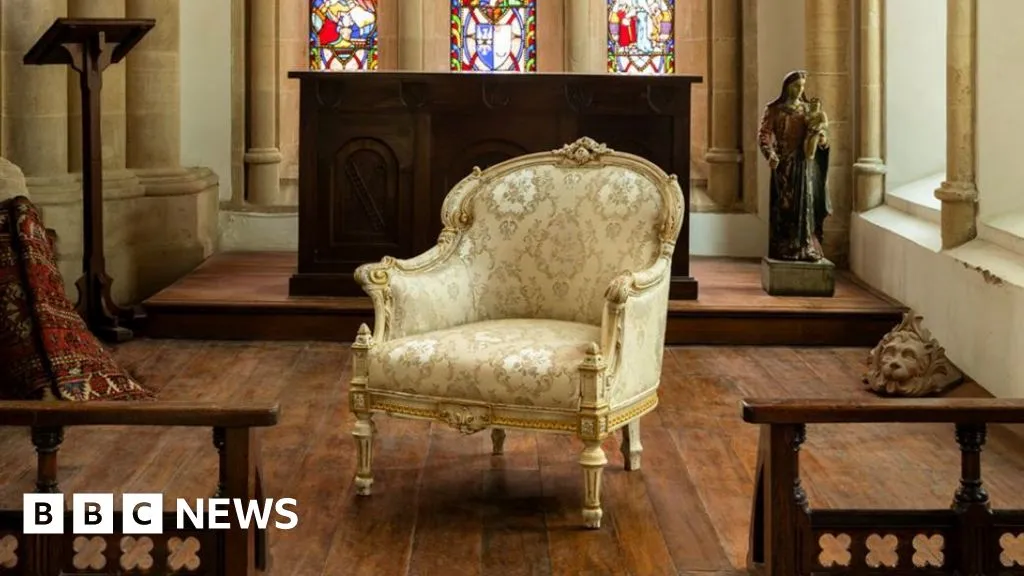
BBC News - WorldFIG 01
Reading time
4min
Word count
804words
Sources cited
1cited
Entities identified
12entities
Quality score
100%
§ 01
Briefing Summary
AI-generatedNEWSAR · AI
An exhibition in Mumbai, "A History of India through Chairs," showcased over 200 chairs to map India's cultural history through their designs and woodwork. Organized by House of Mahendra Doshi, the exhibition displayed chairs sourced from across India by Anand Gandhi and Chiki Doshi, arranged chronologically from pre-colonial times to the present. The chairs reflected global art movements and the influence of colonial invasions by the Dutch, Portuguese, French, and British between the 16th and 19th centuries. Curators sourced chairs from homes, estate sales, and private collections, restoring them with skilled craftsmen, sometimes taking months per chair. Highlights included a bead-covered chair from Gujarat and a lounge chair designed by Le Corbusier, who helped design Chandigarh city in the 1950s.
Confidence 0.90Sources 1Claims 5Entities 12
§ 02
Article analysis
Model · rule-basedFraming
Human Interest
Political Strategy
Tone
Measured
AI-assessed
CalmNeutralAlarmist
Factuality
0.80 / 1.00
Factual
LowHigh
Sources cited
1
Limited
FewMany
§ 03
Key claims
5 extracted01
Le Corbusier was invited to India in the 1950s by Jawaharlal Nehru to help design Chandigarh city.
factualnull
Confidence
1.00
02
A chair covered with ceramic beads, sourced from Gujarat, took eight months to restore.
factualGandhi
Confidence
1.00
03
When they came to India, they brought their furniture with them and also commissioned Indian artisans to design chairs.
quoteVivek Gandhi
Confidence
1.00
04
The exhibition was organised by restoration firm House of Mahendra Doshi.
factualnull
Confidence
1.00
05
More than 200 chairs mapped India's cultural history through their unique designs and woodwork at an exhibition in Mumbai.
factualnull
Confidence
1.00
§ 04
Full report
4 min read · 804 words§ 05
Entities
12 identifiedKey playerOppositionContextPositiveNeutralNegative
People6
Organizations1
§ 06
Keywords & salience
9 termsindian chairs
1.00
cultural history
0.80
furniture design
0.70
colonial invasions
0.60
restoration
0.60
european designs
0.50
exhibition
0.50
woodwork
0.50
seating traditions
0.40
§ 07
Topic connections
Interactive graph Network visualization showing 51 related topics
View Full Graph Person Organization Location Event|Click node to navigate|Edge numbers = shared articles