Inside the coconut cartel: how Chinese money squeezes Thai farmers
AI Summary
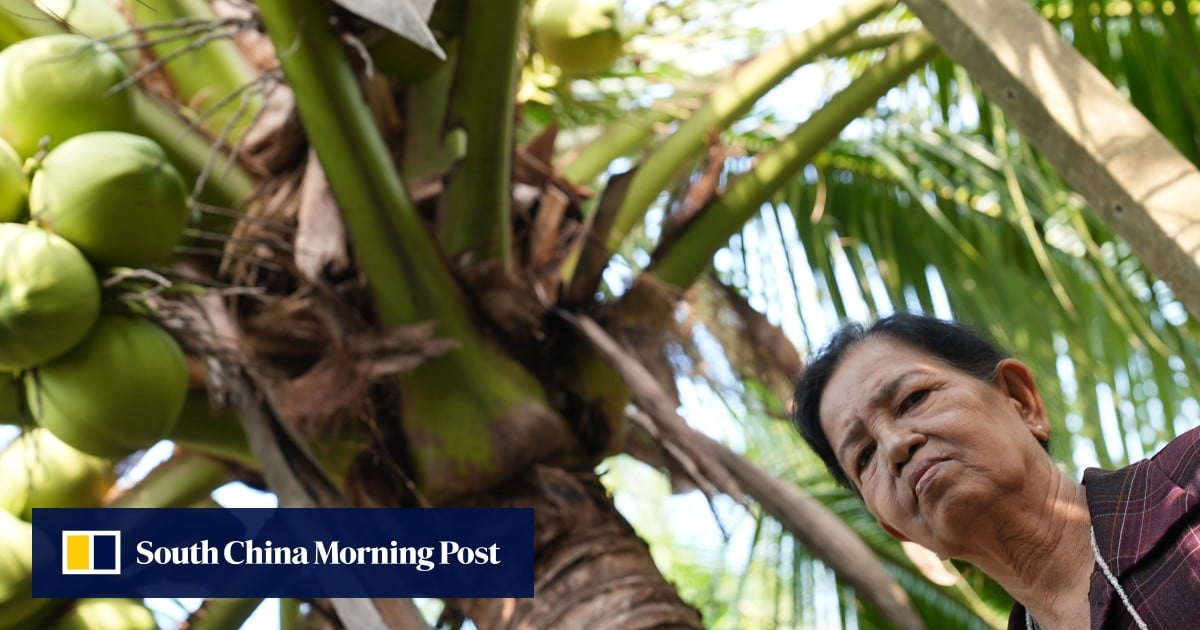
Thai coconut farmers, like Supon Haochareon and his wife Lamduan in Samut Sakhon, are facing record low prices for their produce, particularly the aromatic "nam hom" variety popular in China. Prices have plummeted from 20 baht per coconut before the pandemic to a mere 2 baht, making it difficult for farmers to cover costs like fertilizer. The price drop is attributed to the influence of "lhong," or wholesalers, who dictate prices at warehouse clearing centers. These wholesalers collect coconuts from farms and set prices based on quality, volume, and customer orders, leaving farmers with little bargaining power and significantly reduced profits. The situation threatens the livelihoods of Thai coconut farmers who are struggling to survive.
Key Entities & Roles
Keywords
Sentiment Analysis
Source Transparency
This article was automatically classified using rule-based analysis. The political bias score ranges from -1 (far left) to +1 (far right).
Topic Connections
Explore how the topics in this article connect to other news stories
Find Similar Articles
AI-PoweredDiscover articles with similar content using semantic similarity analysis.