Graves more than 100 years old could be reused across England and Wales under Law Commission proposals that also include the reopening of some burial grounds closed under Victorian-era legislation.The changes would create a national framework for the first time, aiming to reduce pressure on burial space and modernise a system largely unchanged for more than 170 years.“Our proposals would modernise and simplify burial and cremation law in England and Wales, and provide clearer, more consistent safeguards for bereaved families and friends,” said Prof Lisa Webley, the law commissioner for property, family and trust law.Grave reuse is limited to some London cemeteries and Church of England burial grounds. Under the proposals, this could be extended more widely, but only after local consultation and government approval.The commission also recommended stricter safeguards than those now in place. Graves could not be reused until at least 100 years after the last burial, up from 75 years, and families would have a year to object. Any objection would delay reuse for a further 25 years.Military graves would remain protected. The Commonwealth War Graves Commission retains the right to object, effectively ensuring no war graves are ever reused. For the first time, similar protections would apply to postwar graves under Ministry of Defence responsibility.Reused graves would remain within a controlled system, with remains moved deeper and a new burial placed above. Only remains that are “no more than skeletal” would be eligible.The commission also highlighted the patchwork of rules for church, local authority and private burial grounds, recommending a more consistent framework. In some cases, this would introduce legal standards where none currently exist. For example, it proposes a new minimum of 2ft of soil above a coffin.Cremation practices would also be changed. The growing number of uncollected ashes held by funeral directors is unregulated: funeral directors cannot scatter or bury them and crematoriums are not obliged to accept their return. As a result, ashes can remain in storage indefinitely.Under the proposals, if ashes remain uncollected after six months and the family has been contacted, they could be returned to the cremation authority, which would have a legal duty to accept them. Cremation authorities could charge for this service at a government-set rate.The National Association of Funeral Directors (NAFD), which contributed to the review, welcomed the recommendations but highlighted areas needing further consideration.“While we support a clear process for returning uncollected ashes, funeral directors should not bear additional costs for storing ashes due to gaps in the current law,” said Andrew Judd, the association’s chief executive. “Similarly, although increased transparency about direct cremation is welcome, information about where a cremation will take place should be provided before the event, not after. Earlier clarity remains crucial for families.”The government will now consider the recommendations. A further report on new funerary methods is expected to follow.
SRCThe Guardian - World News
LANGEN
LEANCenter-Left
WORDS469
ENT9
WED · 2026-03-18 · 00:01 GMTBRIEF NSR-2026-0318-25512
NSR-2026-0318-25512News Report·EN·Legal & Judicial
Graves in England and Wales could be reused after 100 years
The Law Commission has proposed modernizing burial and cremation laws in England and Wales to address burial space shortages. The proposed changes would establish a national framework allowing reuse of graves older than 100 years, after local consultation and government approval, with stricter safeguards for families.
Amelia HillThe Guardian - World NewsFiled 2026-03-18 · 00:01 GMTLean · Center-LeftRead · 2 min
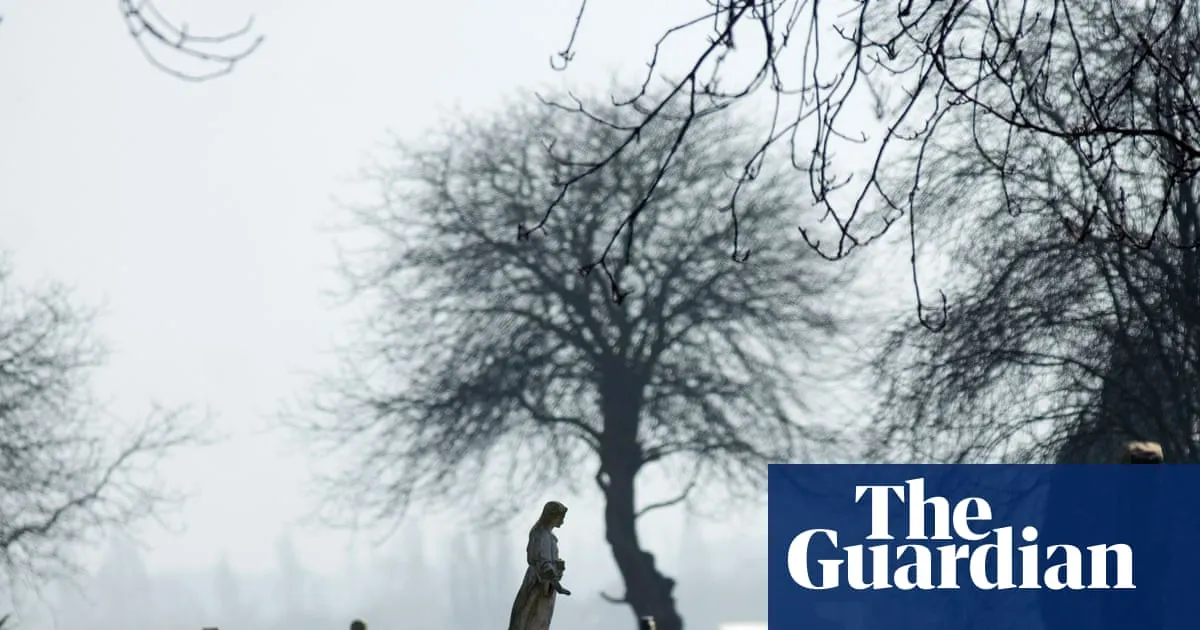
The Guardian - World NewsFIG 01
Reading time
2min
Word count
469words
Sources cited
3cited
Entities identified
9entities
Quality score
100%
§ 01
Briefing Summary
AI-generatedNEWSAR · AI
The Law Commission has proposed modernizing burial and cremation laws in England and Wales to address burial space shortages. The proposed changes would establish a national framework allowing reuse of graves older than 100 years, after local consultation and government approval, with stricter safeguards for families. Military graves would remain protected. The recommendations also address inconsistencies in regulations across different types of burial grounds, proposing a minimum soil depth above coffins. Regarding cremation, the proposals aim to regulate the handling of uncollected ashes, allowing funeral directors to return them to cremation authorities after six months of unclaimed storage. The National Association of Funeral Directors supports the review.
Confidence 0.90Sources 3Claims 5Entities 9
§ 02
Article analysis
Model · rule-basedFraming
Legal & Judicial
Human Interest
Tone
Measured
AI-assessed
CalmNeutralAlarmist
Factuality
0.80 / 1.00
Factual
LowHigh
Sources cited
3
Well sourced
FewMany
§ 03
Key claims
5 extracted01
If ashes remain uncollected after six months, they could be returned to the cremation authority.
factualnull
Confidence
1.00
02
Military graves would remain protected.
factualnull
Confidence
1.00
03
Graves could not be reused until at least 100 years after the last burial, up from 75 years.
factualnull
Confidence
1.00
04
The changes would create a national framework aiming to reduce pressure on burial space and modernise the system.
factualnull
Confidence
1.00
05
Graves more than 100 years old could be reused across England and Wales under Law Commission proposals.
factualnull
Confidence
1.00
§ 04
Full report
2 min read · 469 words§ 05
Entities
9 identifiedKey playerOppositionContextPositiveNeutralNegative
Organizations5
§ 06
Keywords & salience
10 termsgrave reuse
1.00
burial law
0.80
cremation practices
0.70
burial grounds
0.70
law commission
0.60
uncollected ashes
0.60
military graves
0.50
bereaved families
0.50
national framework
0.40
local consultation
0.40
§ 07
Topic connections
Interactive graph Network visualization showing 51 related topics
View Full Graph Person Organization Location Event|Click node to navigate|Edge numbers = shared articles