Reports highlight devastating impact of slashed funding, especially in parts of Africa, that could lead to 3.3m new HIV infections by 2030 In Mozambique, a teenage rape victim sought care at a health clinic only to find it closed. In Zimbabwe, Aids-related deaths have risen for the first time in five years. In Ethiopia and the Democratic Republic of the Congo (DRC), patients with suspected HIV went undiagnosed due to test-kit stocks running out. Stories of the devastating impact of US, British and wider European aid cuts on the fight against HIV – particularly in sub-Saharan Africa – continue to mount as 2025 comes to an end, and are set out in a series of reports released in the past week. Continue reading...
SRCThe Guardian - World News
LANGEN
LEANCenter-Left
WORDS123
ENT5
MON · 2025-12-01 · 06:00 GMTBRIEF NSR-2025-1201-361
NSR-2025-1201-361News Report·EN·Public Health
Aid cuts have shaken HIV/Aids care to its core – and will mean millions more infections ahead
Recent reports indicate that significant cuts in US, British, and European aid are severely impacting HIV/AIDS care, particularly in sub-Saharan Africa. The funding reductions have led to clinic closures in Mozambique, a rise in AIDS-related deaths in Zimbabwe, and shortages of HIV testing kits in Ethiopia and the Democratic Republic of the Congo.
Kat Lay, Global health correspondentThe Guardian - World NewsFiled 2025-12-01 · 06:00 GMTLean · Center-LeftRead · 1 min
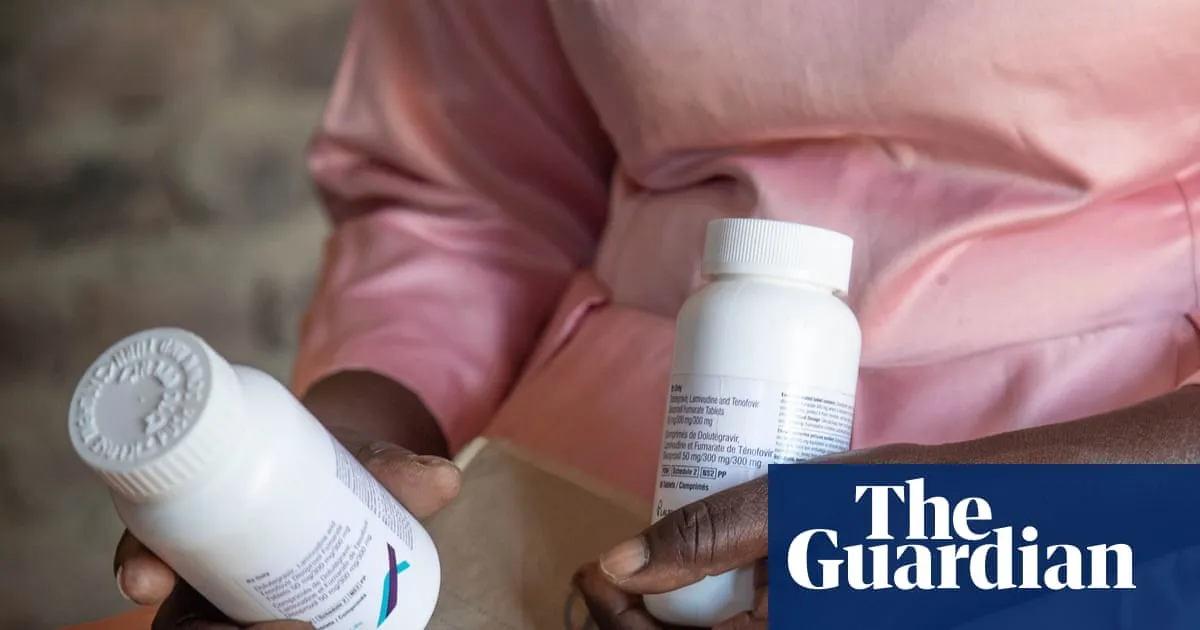
The Guardian - World NewsFIG 01
Reading time
1min
Word count
123words
Sources cited
0cited
Entities identified
5entities
Quality score
100%
§ 01
Briefing Summary
AI-generatedNEWSAR · AI
Recent reports indicate that significant cuts in US, British, and European aid are severely impacting HIV/AIDS care, particularly in sub-Saharan Africa. The funding reductions have led to clinic closures in Mozambique, a rise in AIDS-related deaths in Zimbabwe, and shortages of HIV testing kits in Ethiopia and the Democratic Republic of the Congo. These disruptions are preventing people from accessing testing, treatment, and preventative care. Experts predict that these aid cuts could result in an estimated 3.3 million new HIV infections by 2030. The reports highlight the devastating consequences of reduced financial support on the global fight against HIV/AIDS as 2025 comes to an end.
Confidence 0.85Claims 3Entities 5
§ 02
Article analysis
Model · rule-basedFraming
Public Health
Economic Impact
Tone
Mixed Tone
AI-assessed
CalmNeutralAlarmist
Factuality
0.60 / 1.00
Mixed
LowHigh
Sources cited
0
No named sources
FewMany
§ 03
Key claims
3 extracted01
Aids-related deaths have risen for the first time in five years in Zimbabwe.
factualArticle
Confidence
0.90
02
Patients with suspected HIV went undiagnosed in Ethiopia and DRC due to test-kit shortages.
factualArticle
Confidence
0.80
03
Aid cuts could lead to 3.3m new HIV infections by 2030.
predictionReports
Confidence
0.80
§ 04
Full report
1 min read · 123 words§ 05
Entities
5 identifiedKey playerOppositionContextPositiveNeutralNegative
§ 06
Keywords & salience
8 termshiv/aids
1.00
aid cuts
0.90
funding
0.70
sub-saharan africa
0.70
new hiv infections
0.60
aids-related deaths
0.50
healthcare
0.50
health clinic
0.40
§ 07
Topic connections
Interactive graph Network visualization showing 7 related topics
View Full Graph Person Organization Location Event|Click node to navigate|Edge numbers = shared articles