The NHS is failing stroke patients and limiting their chances of recovery because of a shortage of rehabilitation care staff, health leaders have said.More people are surviving strokes than ever before in the UK. But their hopes of getting better are being dashed because of a lack of physiotherapists and other specialist staff, according to the Chartered Society of Physiotherapy and the Association of Chartered Physiotherapists in Neurology.National guidelines say people who have had a stroke should receive therapy-based rehabilitation for three hours a day, five days a week. But data suggests that, on average, people only receive rehab three to four days a week in hospital, and one to two days once they are discharged, the CSP and Acpin said.Ash James, the director of practice and development at the CSP, said despite record numbers of registered physiotherapists, stroke services were unable to provide the care patients needed because they were chronically understaffed.He said: “Something is going seriously wrong in our health system if the NHS is failing to turn workforce growth into the posts required to meet even the minimum standards for stroke rehabilitation.“It is deeply concerning that our members are going above and beyond to advocate for their patients and secure the staffing they need, only to have their concerns dismissed.”A national survey of stroke physiotherapists working in 159 NHS services across the UK found workforce shortages across different aspects of stroke care. These included community stroke services, acute stroke teams and community rehabilitation support.Findings from the 2025 stroke physiotherapy workforce survey suggested there were 26% fewer physiotherapists than national guidance recommends in community stroke services. Acute stroke teams were also operating with 15% fewer physiotherapists than recommended, and community rehabilitation support workers were 36% below guidance levels.The Acpin chair, Adine Adonis, said: “More people are surviving strokes in the UK than ever before, but survival must be matched with the chance to recover well. These findings highlight a stark and urgent gap in the number of physiotherapists and support staff available to provide the specialist rehabilitation that stroke survivors rely on. This is not good enough.“It is failing people every day and limiting their potential for recovery. We need immediate action to ensure every stroke survivor receives the physiotherapy support they deserve.”Juliet Bouverie, the chief executive of the Stroke Association, said about 240 people in the UK had their lives “potentially destroyed” by stroke every day. She said: “Stroke survivors are at risk of being unable to see, speak, move or even swallow, which has a huge impact on their ability to enjoy a full and independent way of life.“We know that early and bespoke rehabilitation, coupled with ongoing support, can vastly improve the physical effects of stroke, and therefore also support good emotional wellbeing. But there is no escaping the fact that progress to improve the availability and intensity of rehabilitation is far too slow.“Much greater investment in both people and processes to meet the national guidelines of care are desperately needed to ensure stroke survivors are supported both in hospital and the community for as long as they need it.”The Department of Health and Social Care said every stroke survivor deserved the support they needed to recover but too many people were not getting it.“We’re working to fix that,” a spokesperson said. “We’re rolling out specialist stroke rehabilitation in people’s homes, so more people can get the right care without having to rely on hospital stays. We’ve also set clear standards for what good stroke care looks like.”The government was also committed to cutting deaths from stroke by a quarter over the next 10 years, the spokesperson added.
SRCThe Guardian - World News
LANGEN
LEANCenter-Left
WORDS603
ENT6
FRI · 2026-04-03 · 04:00 GMTBRIEF NSR-2026-0403-50245
NSR-2026-0403-50245News Report·EN·Public Health
NHS rehabilitation care staff shortage fails stroke patients, say health leaders
A shortage of rehabilitation staff is hindering stroke patients' recovery in the UK, according to the Chartered Society of Physiotherapy and the Association of Chartered Physiotherapists in Neurology. Despite more people surviving strokes, they are not receiving the recommended three hours of daily therapy-based rehabilitation, with data showing averages of three to four days in hospital and one to two days post-discharge.
Andrew Gregory Health editorThe Guardian - World NewsFiled 2026-04-03 · 04:00 GMTLean · Center-LeftRead · 3 min
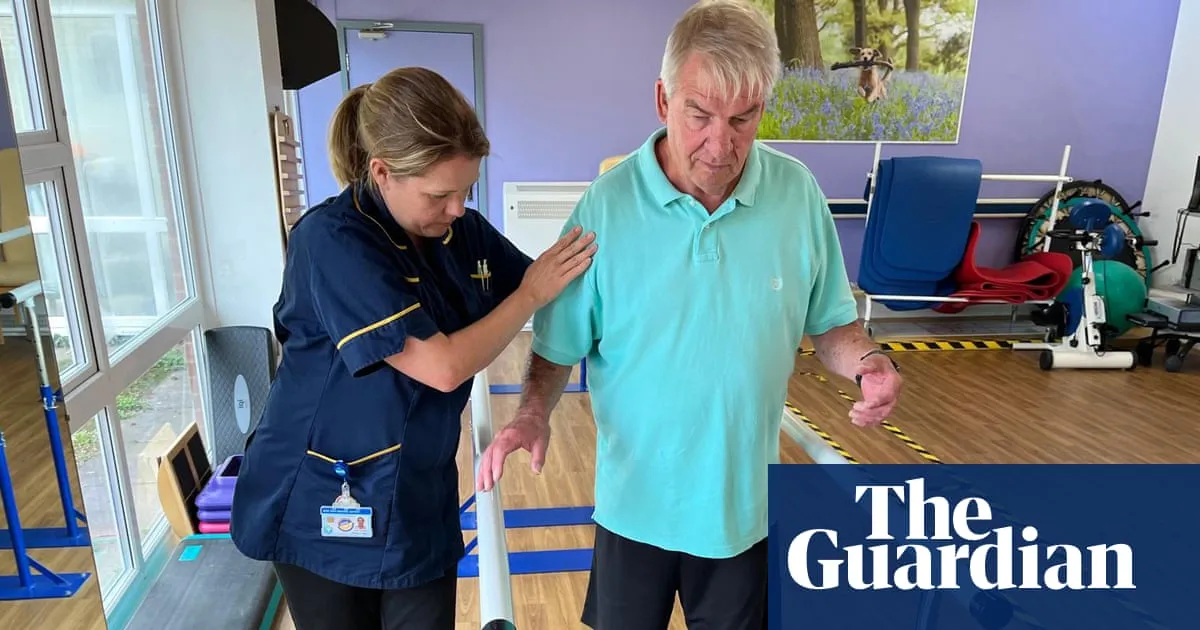
The Guardian - World NewsFIG 01
Reading time
3min
Word count
603words
Sources cited
5cited
Entities identified
6entities
Quality score
100%
§ 01
Briefing Summary
AI-generatedNEWSAR · AI
A shortage of rehabilitation staff is hindering stroke patients' recovery in the UK, according to the Chartered Society of Physiotherapy and the Association of Chartered Physiotherapists in Neurology. Despite more people surviving strokes, they are not receiving the recommended three hours of daily therapy-based rehabilitation, with data showing averages of three to four days in hospital and one to two days post-discharge. A national survey revealed significant workforce shortages across various stroke care aspects, including community stroke services (26% fewer physiotherapists than recommended), acute stroke teams (15% fewer), and community rehabilitation support workers (36% fewer). Health leaders are urging immediate action to address the staffing gaps and ensure all stroke survivors receive adequate physiotherapy support to maximize their potential for recovery. The lack of resources is failing patients and limiting their chances of regaining function.
Confidence 0.90Sources 5Claims 5Entities 6
§ 02
Article analysis
Model · rule-basedFraming
Public Health
Economic Impact
Tone
Mixed Tone
AI-assessed
CalmNeutralAlarmist
Factuality
0.70 / 1.00
Factual
LowHigh
Sources cited
5
Well sourced
FewMany
§ 03
Key claims
5 extracted01
People who have had a stroke should receive therapy-based rehabilitation for three hours a day, five days a week.
factualNational guidelines
Confidence
1.00
02
There were 26% fewer physiotherapists than national guidance recommends in community stroke services.
statistic2025 stroke physiotherapy workforce survey
Confidence
0.90
03
NHS is failing stroke patients due to a shortage of rehabilitation care staff.
factualhealth leaders
Confidence
0.90
04
About 240 people in the UK had their lives “potentially destroyed” by stroke every day.
quoteJuliet Bouverie, the chief executive of the Stroke Association
Confidence
0.80
05
On average, people only receive rehab three to four days a week in hospital, and one to two days once they are discharged.
statisticCSP and Acpin
Confidence
0.80
§ 04
Full report
3 min read · 603 words§ 05
Entities
6 identifiedKey playerOppositionContextPositiveNeutralNegative
Organizations3
Locations1
§ 06
Keywords & salience
8 termsstroke rehabilitation
1.00
nhs
0.90
staff shortage
0.80
physiotherapists
0.70
stroke patients
0.70
rehabilitation care
0.60
healthcare
0.50
community stroke services
0.50
§ 07
Topic connections
Interactive graph Network visualization showing 25 related topics
View Full Graph Person Organization Location Event|Click node to navigate|Edge numbers = shared articles