Africa’s forests transformed from carbon sink to carbon source, study finds
AI Summary
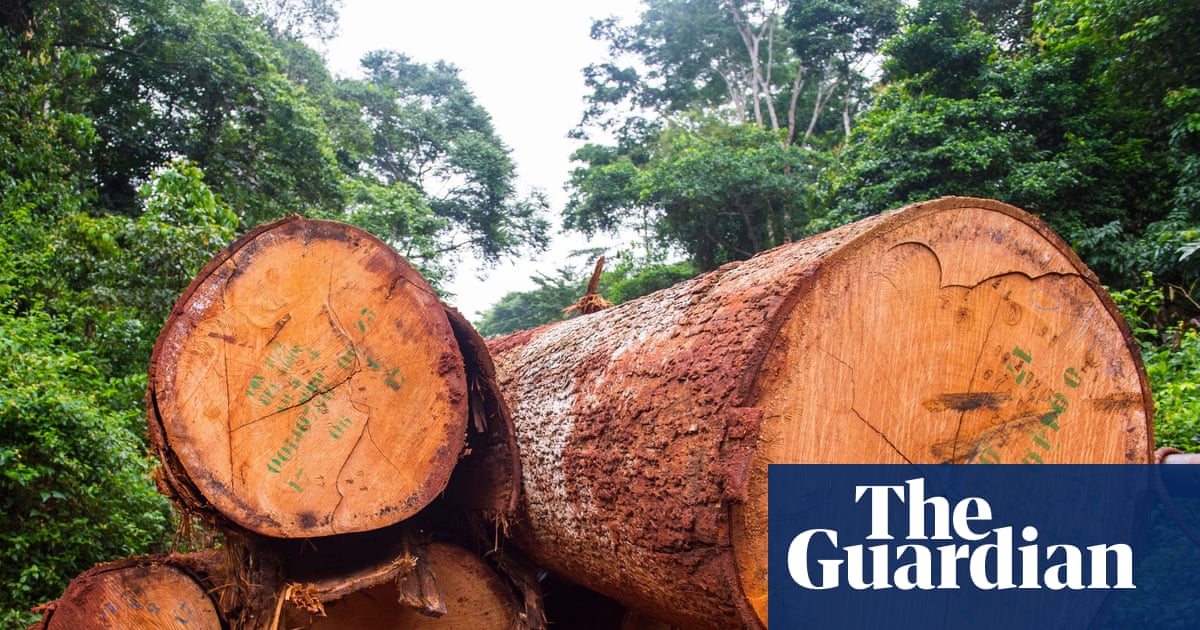
A recent study published in Scientific Reports reveals that African forests have shifted from a carbon sink to a carbon source since 2010. Researchers from the Universities of Leicester, Sheffield, and Edinburgh used satellite data and machine learning to track carbon storage changes in trees and vegetation across Africa. They found that between 2010 and 2017, African forests lost approximately 106 billion kg of biomass annually, particularly in tropical moist broadleaf forests in the Democratic Republic of Congo, Madagascar, and parts of West Africa. This shift is primarily attributed to human activities like increased land clearing for agriculture, infrastructure projects, and mining, exacerbated by global heating. The study emphasizes the urgent need to protect African forests to prevent the loss of a crucial natural carbon buffer, highlighting initiatives like Brazil's Tropical Forest Forever Facility as a potential solution.
Key Entities & Roles
Keywords
Sentiment Analysis
Source Transparency
This article was automatically classified using rule-based analysis.
Topic Connections
Explore how the topics in this article connect to other news stories
Find Similar Articles
AI-PoweredDiscover articles with similar content using semantic similarity analysis.