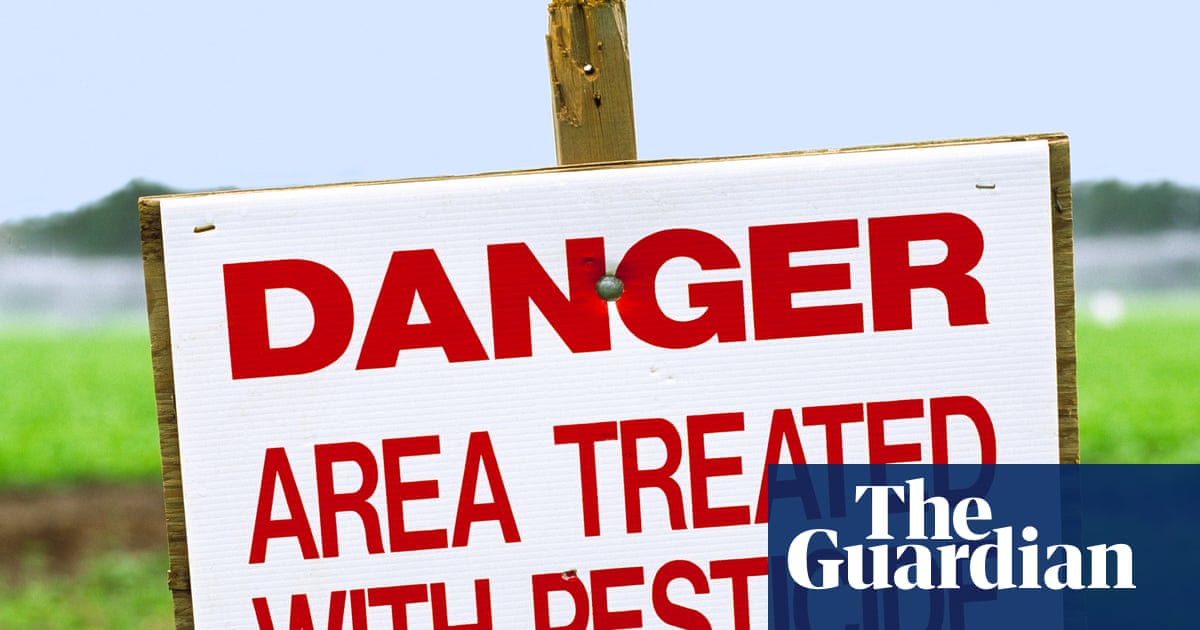
In a setback for the pesticide industry, Democrats have succeeded in removing a rider from a congressional appropriations bill that would have helped protect pesticide makers from being sued and could have hindered state efforts to warn about pesticide risks.Chellie Pingree, a Democratic representative from Maine and ranking member of the House appropriations interior, environment, and related agencies subcommittee, said Monday that the controversial measure pushed by the agrochemical giant Bayer and industry allies has been stripped from the 2026 funding bill.The move is final, as Senate Republican leaders have agreed not to revisit the issue, Pingree said.“I just drew a line in the sand and said this cannot stay in the bill,” Pingree told the Guardian. “There has been intensive lobbying by Bayer. This has been quite a hard fight.”The now-deleted language was part of a larger legislative effort that critics say is aimed at limiting litigation against pesticide industry leader Bayer, which sells the widely used Roundup herbicides.An industry alliance set up by Bayer has been pushing for both state and federal laws that would make it harder for consumers to sue over pesticide risks to human health and has successfully lobbied for the passing of such laws in Georgia and North Dakota so far.The specific proposed language added to the appropriations bill blocked federal funds from being used to “issue or adopt any guidance or any policy, take any regulatory action, or approve any labeling or change to such labeling” inconsistent with the conclusion of an Environmental Protection Agency (EPA) human health assessment.Critics said the language would have impeded states and local governments from warning about risks of pesticides even in the face of new scientific findings about health harms if such warnings were not consistent with outdated EPA assessments. The EPA itself would not be able to update warnings without finalizing a new assessment, the critics said.And because of the limits on warnings, critics of the rider said, consumers would have found it difficult, if not impossible, to sue pesticide makers for failing to warn them of health risks if the EPA assessments do not support such warnings.“This provision would have handed pesticide manufacturers exactly what they’ve been lobbying for: federal preemption that stops state and local governments from restricting the use of harmful, cancer-causing chemicals, adding health warnings, or holding companies accountable in court when people are harmed,” Pingree said in a statement. “It would have meant that only the federal government gets a say – even though we know federal reviews can take years, and are often subject to intense industry pressure.”Pingree tried but failed to overturn the language in a July appropriations committee hearing.Bayer, the key backer of the legislative efforts, has been struggling for years to put an end to thousands of lawsuits filed by people who allege they developed cancer from their use of Roundup and other glyphosate-based weed killers sold by Bayer. The company inherited the litigation when it bought Monsanto in 2018 and has paid out billions of dollars in settlements and jury verdicts but still faces several thousand ongoing lawsuits. Bayer maintains its glyphosate-based herbicides do not cause cancer and are safe when used as directed.When asked for comment on Monday, Bayer said that no company should have “blanket immunity” and it disputed that the appropriations bill language would have prevented anyone from suing pesticide manufacturers. The company said it supports state and federal legislation “because the future of American farming depends on reliable science-based regulation of important crop protection products – determined safe for use by the EPA”.The company additionally states on its website that without “legislative certainty”, lawsuits over its glyphosate-based Roundup and other weed killers can impact its research and product development and other “important investments”.Pingree said her efforts were aided by members of the “make America healthy again” (Maha) movement who have spent the last few months meeting with congressional members and their staffers on this issue. She said her team reached out to Maha leadership in the last few days to pressure Republican lawmakers.“This is the first time that we’ve had a fairly significant advocacy group working on the Republican side,” she said.Last week, Zen Honeycutt, a Maha leader and founder of the group Moms Across America, posted a “call to action”, urging members to demand elected officials “Stop the Pesticide Immunity Shield”.“A lot of people helped make this happen,” Honeycutt said. “Many health advocates have been fervently expressing their requests to keep chemical companies accountable for safety … We are delighted that our elected officials listened to so many Americans who spoke up and are restoring trust in the American political system.”Pingree said the issue is not dead. Bayer has “made this a high priority”, and she expects to see continued efforts to get industry friendly language inserted into legislation, including into the new Farm Bill.“I don’t think this is over,” she said.This story is co-published with the New Lede, a journalism project of the Environmental Working Group
SRCThe Guardian - World News
LANGEN
LEANCenter-Left
WORDS826
ENT6
TUE · 2026-01-06 · 17:50 GMTBRIEF NSR-2026-0106-6041
NSR-2026-0106-6041News Report·EN·Political Strategy
Pesticide industry ‘immunity shield’ stripped from US appropriations bill
Democrats successfully removed a rider from the 2026 congressional appropriations bill that would have shielded pesticide manufacturers from lawsuits and restricted states' ability to warn about pesticide risks. The provision, backed by Bayer and industry allies, would have blocked federal funds from being used for actions inconsistent with EPA human health assessments.
Carey GillamThe Guardian - World NewsFiled 2026-01-06 · 17:50 GMTLean · Center-LeftRead · 4 min
The Guardian - World NewsFIG 01
Reading time
4min
Word count
826words
Sources cited
1cited
Entities identified
6entities
Quality score
100%
§ 01
Briefing Summary
AI-generatedNEWSAR · AI
Democrats successfully removed a rider from the 2026 congressional appropriations bill that would have shielded pesticide manufacturers from lawsuits and restricted states' ability to warn about pesticide risks. The provision, backed by Bayer and industry allies, would have blocked federal funds from being used for actions inconsistent with EPA human health assessments. Critics argued the language would have prevented states and local governments from issuing warnings about pesticide risks, even with new scientific evidence, and made it harder to sue pesticide companies for failing to warn consumers. Representative Chellie Pingree stated that Senate Republican leaders agreed not to revisit the issue after she opposed the rider. Bayer has been lobbying for similar laws at the state and federal levels.
Confidence 0.90Sources 1Claims 5Entities 6
§ 02
Article analysis
Model · rule-basedFraming
Political Strategy
Public Health
Tone
Measured
AI-assessed
CalmNeutralAlarmist
Factuality
0.70 / 1.00
Factual
LowHigh
Sources cited
1
Limited
FewMany
§ 03
Key claims
5 extracted01
Senate Republican leaders have agreed not to revisit the issue.
quoteChellie Pingree
Confidence
1.00
02
This provision would have handed pesticide manufacturers exactly what they’ve been lobbying for: federal preemption.
quoteChellie Pingree
Confidence
1.00
03
An industry alliance set up by Bayer has been pushing for both state and federal laws that would make it harder for consumers to sue over pesticide risks.
factual
Confidence
1.00
04
Democrats have succeeded in removing a rider from a congressional appropriations bill that would have helped protect pesticide makers from being sued.
factual
Confidence
1.00
05
The now-deleted language was part of a larger legislative effort that critics say is aimed at limiting litigation against pesticide industry leader Bayer.
factual
Confidence
0.90
§ 04
Full report
4 min read · 826 words§ 05
Entities
6 identifiedKey playerOppositionContextPositiveNeutralNegative
Organizations3
§ 06
Keywords & salience
10 termspesticide industry
0.90
lawsuit protection
0.80
appropriations bill
0.70
pesticide risks
0.70
bayer
0.60
epa
0.60
federal preemption
0.50
health warnings
0.50
agrochemical
0.40
roundup
0.40
§ 07
Topic connections
Interactive graph No topic relationship data available yet. This graph will appear once topic relationships have been computed.