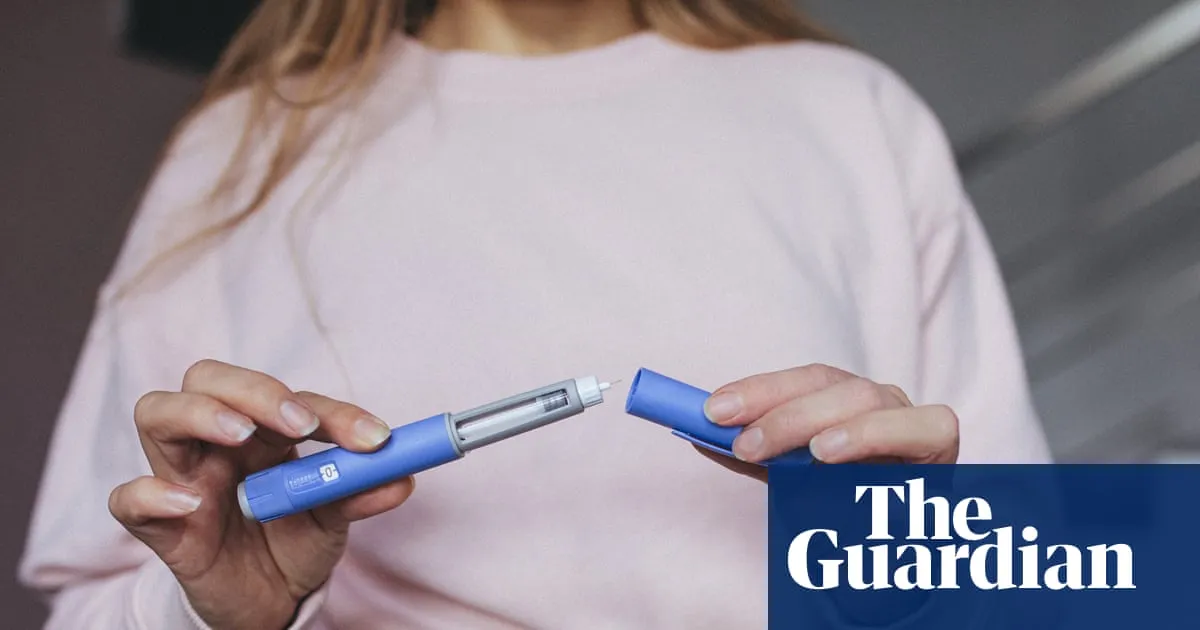
People who stop taking weight loss jabs regain all the weight originally lost in under two years, significantly faster than those on any other weight loss plan, according to a landmark study.Weight loss medications, known as GLP-1 agonists, were originally developed as treatment for diabetes and work by mimicking the glucagon-like peptide (GLP) 1 hormone which helps people feel full.The study, led by academics at the University of Oxford and published in the BMJ, included a review of 37 existing studies regarding weight loss medication, involving 9,341 participants. The average duration of weight loss treatment being 39 weeks while the average follow up period was 32 weeks.On average, weight was regained at a rate of 0.4kg per month for people who had stopped taking the medication, the analysis found, with participants returning to their original weight within an average of 1.7 years after stopping any type of weight loss medication.Specifically, people on any kind of weight loss medication lost an average of 8.3kg during treatment, but regained 4.8kg within the first year,The rate at which weight was regained after stopping these medications was almost four times faster compared with behavioural programmes, which may include a specific diet or physical activity plan, regardless of the amount of weight that was lost during treatment.Dr Sam West, of the Nuffield Department of Primary Care Health Sciences at the University of Oxford, said the rapid weight gain seen after stopping weight loss drugs was not due to the medication itself.“These medicines are transforming obesity treatment and can achieve important weight loss. However, our research shows that people tend to regain weight rapidly after stopping – faster than we see with behavioural programmes,” West said.He added: “This isn’t a failing of the medicines – it reflects the nature of obesity as a chronic, relapsing condition. It sounds a cautionary note for short-term use without a more comprehensive approach to long-term weight management, and highlights the importance of primary prevention.”Previous studies have suggested weight loss medication can also have a beneficial impact on other areas of a patient’s health, as seen in the study into drugs that could halve heart patients’ risk of an early death.However, this study also found that the benefits weight loss drugs can have on cardio-metabolic health markers, such as on blood pressure and cholesterol, also returned to their original level within 1.4 years of stopping treatment.Although previous studies have suggested people on weight loss drugs regain all the weight they have lost within a year of stopping medication, this is the first study which provides the rate of weight regain and estimated time frames for weight and metabolic reversal.Wegovy can be prescribed on the NHS for up to two years, while there is no prescription time limit for Mounjaro.“Weight loss drugs can be effective tools for managing weight and type 2 diabetes risk – but this research reinforces that they are not a quick fix, according to Dr Faye Riley, the research communications lead at Diabetes UK.“They need to be prescribed appropriately, with tailored wraparound support alongside them, to ensure people can fully benefit and maintain weight loss for as long as possible when they stop taking the medication.”Katharine Jenner, the executive director of the Obesity Health Alliance, said regaining weight after stopping treatment was not a failure of individuals, but rather “reflects the reality of living in a food environment that continually pushes people towards unhealthy options.”“These drugs can create a window of opportunity to improve the food environment at scale and pace – from junk food marketing to the affordability and availability of healthier food – otherwise many people will struggle to sustain the health benefits of weight loss drugs over the long term,” Jenner said.An NHS spokesperson said: “While these new treatments are an important new tool for supporting weight loss, they’re not a magic fix and must be paired with behavioural and lifestyle wraparound support including advice on healthier diets and physical activity to keep the weight off in the long term.“The NHS continues to implement innovative ways to support people to lose weight safely and sustainably as well as offering a range of weight management services, including the NHS digital weight management programme, which will be expanded to 125,000 more people per year as part of the 10-year health plan.”
SRCThe Guardian - World News
LANGEN
LEANCenter-Left
WORDS714
ENT2
WED · 2026-01-07 · 23:30 GMTBRIEF NSR-2026-0108-6309
NSR-2026-0108-6309News Report·EN·Public Health
People who stop taking weight-loss jabs regain weight in under two years, study reveals
A new study led by the University of Oxford and published in the BMJ reveals that individuals who discontinue weight loss medications, specifically GLP-1 agonists, regain lost weight rapidly. The research, a review of 37 studies involving over 9,000 participants, found that on average, people regained weight at a rate of 0.4kg per month after stopping medication, returning to their original weight within approximately 1.7 years.
Tobi Thomas Health and inequalities correspondentThe Guardian - World NewsFiled 2026-01-07 · 23:30 GMTLean · Center-LeftRead · 3 min
The Guardian - World NewsFIG 01
Reading time
3min
Word count
714words
Sources cited
1cited
Entities identified
2entities
Quality score
100%
§ 01
Briefing Summary
AI-generatedNEWSAR · AI
A new study led by the University of Oxford and published in the BMJ reveals that individuals who discontinue weight loss medications, specifically GLP-1 agonists, regain lost weight rapidly. The research, a review of 37 studies involving over 9,000 participants, found that on average, people regained weight at a rate of 0.4kg per month after stopping medication, returning to their original weight within approximately 1.7 years. This weight regain occurred almost four times faster than after stopping behavioral weight loss programs. Researchers emphasize that this rapid regain highlights the chronic nature of obesity and the need for comprehensive, long-term weight management strategies beyond short-term medication use, as the benefits to cardio-metabolic health also diminished.
Confidence 0.90Sources 1Claims 5Entities 2
§ 02
Article analysis
Model · rule-basedFraming
Public Health
Technology
Tone
Measured
AI-assessed
CalmNeutralAlarmist
Factuality
0.80 / 1.00
Factual
LowHigh
Sources cited
1
Limited
FewMany
§ 03
Key claims
5 extracted01
These medicines are transforming obesity treatment and can achieve important weight loss.
quoteDr Sam West, of the Nuffield Department of Primary Care Health Sciences at the University of Oxford
Confidence
0.90
02
The rate at which weight was regained after stopping these medications was almost four times faster compared with behavioural programmes.
factualUniversity of Oxford study
Confidence
0.90
03
People on any kind of weight loss medication lost an average of 8.3kg during treatment.
statisticUniversity of Oxford study
Confidence
0.90
04
Weight was regained at a rate of 0.4kg per month for people who had stopped taking the medication.
statisticUniversity of Oxford study
Confidence
0.90
05
People who stop taking weight loss jabs regain all the weight originally lost in under two years.
factualUniversity of Oxford study
Confidence
0.90
§ 04
Full report
3 min read · 714 words§ 05
Entities
2 identifiedKey playerOppositionContextPositiveNeutralNegative
Organizations2
§ 06
Keywords & salience
8 termsweight loss
1.00
weight regain
0.90
weight loss medication
0.80
glp-1 agonists
0.80
obesity treatment
0.60
behavioural programmes
0.60
chronic condition
0.50
diabetes
0.40
§ 07
Topic connections
Interactive graph Network visualization showing 2 related topics
View Full Graph Person Organization Location Event|Click node to navigate|Edge numbers = shared articles