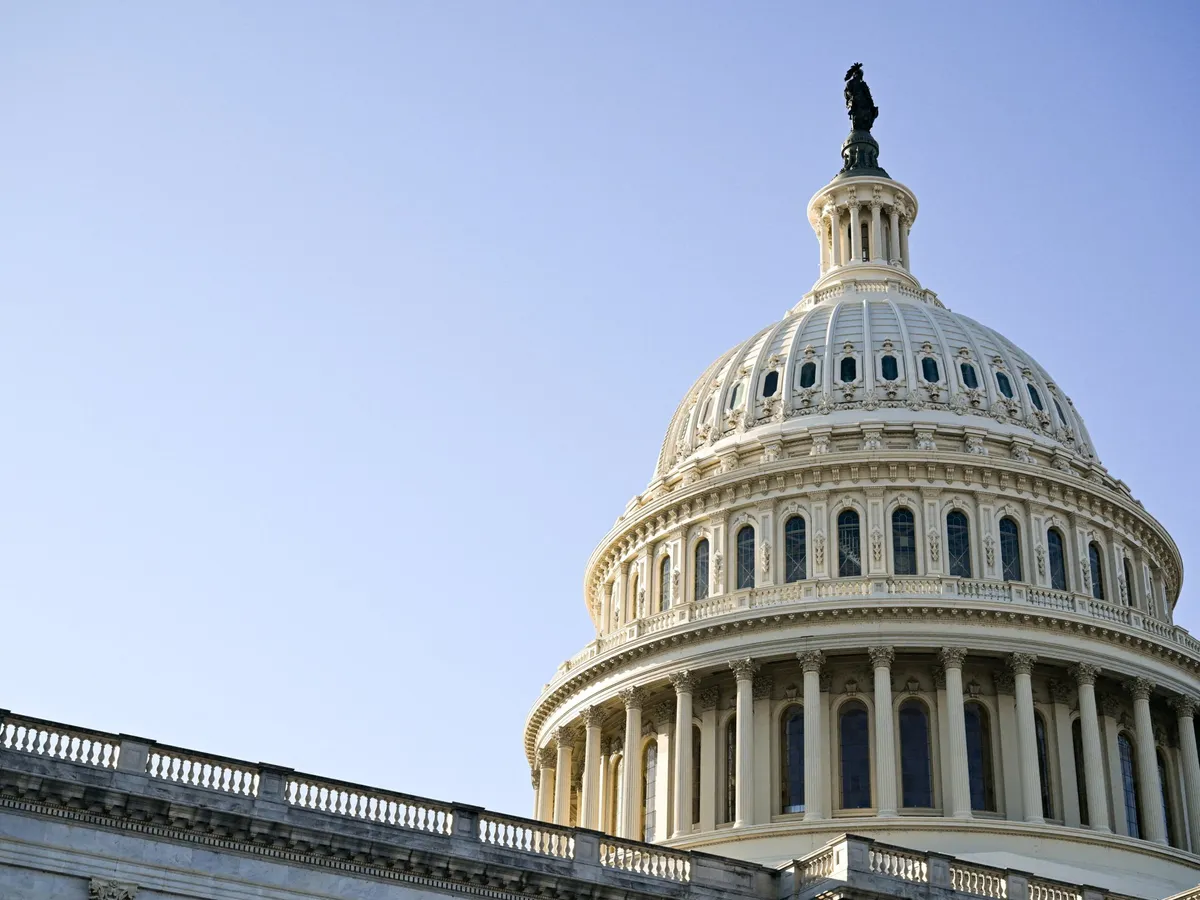
The measure has long been criticised for allowing US intelligence agencies to collect citizen data without a warrant.The United States Congress has temporarily extended a controversial surveillance law which allows federal intelligence agencies to collect the data of foreigners, including their contacts with US citizens.The move allows a provision of the Foreign Intelligence Surveillance Act (FISA) to continue until April 30. The short-term extension was passed by the House of Representatives and approved by the Senate on Friday.Recommended Stories list of 3 itemslist 1 of 3Former FBI chief Robert Mueller, known for Trump investigation, dead at 81list 2 of 3US lawmakers push for pause in data centres until AI safeguards in placelist 3 of 3‘My phone is a brick’: Russians scramble for information as data blockedend of listThe patch comes after President Donald Trump’s efforts to secure a more lasting extension broke down.Section 702 of FISA allows the National Security Agency (NSA) and other intelligence services to collect data from foreigners outside of the country.That could include their interactions with US citizens, a prospect that has alarmed rights advocates.Collecting such data, which can include correspondence on email and telecommunications platforms, typically requires a warrant approved by a court.The process has been described by critics as a “backdoor search” that circumvents existing privacy laws.Speaking after Friday’s vote, Senate Majority Leader John Thune said there was still some openness to reforming the law.“We’ve got to pivot and figure out what can pass, and we’re in the process of figuring out how to do that here,” he told reporters.Supporters of reform, who stretch across party lines, have long sought to repeal or amend Section 702.While FISA was initially passed in 1978, Section 702 was added as an amendment in 2008.The addition came amid the US’s “global war on terror”. But during its approval, revelations emerged that the administration of former US President George W Bush had already used the tactics Section 702 legalised.Supporters, including Trump, maintain that reforming the provision would lead to a lapse in national security.
SRCAl Jazeera
LANGEN
LEANCenter
WORDS335
ENT11
FRI · 2026-04-17 · 19:20 GMTBRIEF NSR-2026-0417-70393
NSR-2026-0417-70393News Report·EN·National Security
US Congress temporarily extends controversial surveillance power under FISA
The US Congress has temporarily extended Section 702 of the Foreign Intelligence Surveillance Act (FISA) until April 30. This controversial provision allows US intelligence agencies like the NSA to collect data from foreign individuals located outside the US, even when they communicate with US citizens.
Al Jazeera StaffAl JazeeraFiled 2026-04-17 · 19:20 GMTLean · CenterRead · 2 min
Al JazeeraFIG 01
Reading time
2min
Word count
335words
Sources cited
1cited
Entities identified
11entities
Quality score
100%
§ 01
Briefing Summary
AI-generatedNEWSAR · AI
The US Congress has temporarily extended Section 702 of the Foreign Intelligence Surveillance Act (FISA) until April 30. This controversial provision allows US intelligence agencies like the NSA to collect data from foreign individuals located outside the US, even when they communicate with US citizens. Critics argue this circumvents warrant requirements and constitutes a "backdoor search" violating privacy laws. The extension passed after efforts to secure a longer-term agreement failed. While supporters, including former President Trump, claim it is vital for national security, bipartisan reformers seek to repeal or amend Section 702, which was added to FISA in 2008 amid the "global war on terror."
Confidence 0.90Sources 1Claims 5Entities 11
§ 02
Article analysis
Model · rule-basedFraming
National Security
Legal & Judicial
Tone
Measured
AI-assessed
CalmNeutralAlarmist
Factuality
0.80 / 1.00
Factual
LowHigh
Sources cited
1
Limited
FewMany
§ 03
Key claims
5 extracted01
Supporters maintain that reforming the provision would lead to a lapse in national security.
factualsupporters
Confidence
1.00
02
Senate Majority Leader John Thune said there was still some openness to reforming the law.
quoteSenate Majority Leader John Thune
Confidence
1.00
03
Critics describe the data collection process as a “backdoor search” that circumvents existing privacy laws.
quotecritics
Confidence
1.00
04
Section 702 of FISA allows the NSA to collect data from foreigners outside of the country.
factual
Confidence
1.00
05
US Congress temporarily extended a controversial surveillance law until April 30.
factual
Confidence
1.00
§ 04
Full report
2 min read · 335 words§ 05
Entities
11 identifiedKey playerOppositionContextPositiveNeutralNegative
People4
Organizations6
Locations1
§ 06
Keywords & salience
9 termsfisa
1.00
surveillance
0.90
data collection
0.80
section 702
0.70
warrantless surveillance
0.60
privacy
0.60
us congress
0.50
intelligence agencies
0.50
national security
0.50
§ 07
Topic connections
Interactive graph Network visualization showing 27 related topics
View Full Graph Person Organization Location Event|Click node to navigate|Edge numbers = shared articles