No Agreement on Standards: Drug test results are often based on discretionary standards. The level of drugs at which a test is considered positive varies from test to test and lab to lab. Big Disparities: Child welfare systems’ thresholds for positives vary widely. One state’s level is so low, an Air Force pilot can fly with up to 400 times more opiates in their system. Path Forward Is Unclear: There’s no consensus on what should be done. The Trump administration disbanded the expert panel that was in charge of proposing scientifically valid levels. These highlights were written by the reporters and editors who worked on this story. Kaitlin spent the first weeks of her newborn son’s life in a panic. The hospital where she gave birth in October 2022 had administered a routine drug test, and a nurse informed her the lab had confirmed the presence of opiates. Child welfare authorities opened an investigation. Months later, after searching her home and interviewing her older child and ex-husband, the agency dropped its investigation, having found no evidence of abuse or neglect, or of drug use. The amount of opiates that upended Kaitlin’s life — 18.4 nanograms of codeine per milliliter of urine, according to court documents — was so minuscule that if she were an Air Force pilot, she could have had 200 times more in her system and still have been cleared to fly. But for Kaitlin, the test triggered an investigation with potentially life-altering consequences. (ProPublica is using Kaitlin’s first name because her full name has been redacted from court documents. She declined to be interviewed for this story.) The ordeal “tempered what was otherwise supposed to be a joyous occasion” for the family, according to a lawsuit filed in 2024 by New Jersey’s attorney general against the hospital system, Virtua Health. The hospital said in a statement that it has “a relentless commitment to evidence-based, equitable care for every family.” In court documents, it denied the lawsuit’s allegation that it discriminated against pregnant patients and noted that Kaitlin consented to the test. It also said that New Jersey law mandates it to submit reports of “substance-affected infants” to the state’s Division of Child Protection and Permanency. The lawsuit is pending and a judge has referred it to mediation. Drug-testing labs typically report results in black and white: positive or negative. But a little-known fact about the industry is that those results are often based on standards that are wholly discretionary. For example, nearly all states use a threshold of 0.08% blood alcohol content to decide if a motorist is intoxicated. But for other drugs detected in urine, saliva and hair, cutoff levels vary from test to test and lab to lab — including Kaitlin’s test for opiates. There’s no consensus among labs on what level should confirm the presence of codeine in urine, said Larry Broussard, a toxicologist who wrote an academic journal article on “growing evidence” that poppy seeds in bagels and muffins provoke positive test results. (Kaitlin ate a bagel shortly before taking her drug test, according to court documents.) There’s more consensus for some other drugs, but labs still disagree on appropriate cutoff levels for common drugs such as THC (the compound in marijuana that creates a high) and meth, said Broussard. A Hospital Said Kaitlin Tested Positive for Codeine, But the Military Would Have Said the Test Was Negative Even at Levels 200 Times as High Note: Ng/ml is nanograms per milliliter. Cutoffs are the level at which each organization considers the presence of codeine in urine to be confirmed by mass spectrometry (gas or liquid chromatography). In 2022, the same year Kaitlin tested positive for codeine, the Department of Defense noticed a surge in personnel on military bases blaming positive tests on poppy seeds. Scientists at the military’s labs concluded that a change in the manufacturing process of some poppy seeds had led to contamination, causing service members to be falsely accused of abusing drugs. So far, 62 positive tests for codeine have been “overturned and adjusted in Army records,” an Army spokesperson told ProPublica. In response, the Department of Defense in March 2024 doubled the military’s cutoff level for codeine tests to avoid false positives triggered by poppy seed muffins, bagels and other foods. Service members are now cleared for duty with up to 400 times more codeine in their urine than is used to justify child welfare investigations in some states, ProPublica found. ProPublica reviewed cutoff levels used to confirm the presence of common drugs, including opiates, meth, THC and cocaine, as cited in court records, labs’ contracts with government agencies and scientific journals, as well as in interviews with toxicologists. We found that the cutoff levels used by the child welfare systems vary widely from jurisdiction to jurisdiction. One large state agency, Michigan’s Department of Health and Human Services, contractually required a lab to use levels that it later acknowledged were “scientifically unsupportable.” Ted Simon, an expert toxicology witness and a board member of the nonprofit Center for Truth in Science, which advocates for objectivity in research, said agencies are better off consulting with labs to set cutoff levels. That’s because “some labs do validation testing to ensure the accuracy of their cutoffs based on knowledge of human biology.” But even when labs set levels, they don’t always get them right. Some labs “just use the sensitivity of the chemical analysis to measure vanishingly tiny concentrations with no way to assess the relevance to humans,” Simon said. This can result in situations like Kaitlin’s, where the hospital’s cutoff was near the lower limit of what sophisticated lab instruments can detect, he said after reviewing her case. Meanwhile, “labs tell their clients what they want to hear and are hesitant to disclose the uncertainty inherent in their methods,” Simon said. There’s no industry consensus on what, or if anything, should be done about the differing standards. Some experts see a need for uniform levels but acknowledge it would require lengthy vetting before toxicologists and other stakeholders agree on what’s appropriate. Others maintain that as long as labs are transparent and support their decisions with research, they should continue choosing their own levels. “The labs do what works for the instruments that they have,” said Simon. Child welfare agencies employ a patchwork of drug testing standards, according to contracts and procurement documents. Some, like Los Angeles County’s Department of Children and Family Services, require labs to use high cutoff levels that protect against false positives. Other agencies’ contracts with their drug testing services do not specify cutoff levels, leaving the decision to the lab. A few large agencies require labs to use ultra-low levels, which catch more users but come with risks. Incidental exposure to a substance in the environment and over-the-counter medications can trigger positives. “The smaller the concentration that you try to detect, the more likely you are to get false positive results,” said toxicologist Paul Cary, who wrote a guide to testing for drug courts, which aim to address the addictions of people accused of drug-related crimes and avoid incarceration. Some Child Welfare Agencies’ Thresholds for a Positive Drug Test Are Lower Than the Federal Government’s The levels at which various agencies consider a drug test positive for meth vary widely. “The smaller the concentration that you try to detect, the more likely you are to get false positive results,” said toxicologist Paul Cary. 250 ng/mlmeth 125 ng/ml 100 ng/ml 0 Federal workers cutoff Los Angeles County Dept. of Children and Family Services Orange County, California, Social Services Agency Utah Division of Child and Family Services Georgia Division of Family and Children Services Less meth needed to trigger positive result↓ Note: Ng/ml is nanograms per milliliter. Squares show the level at which each organization considers the presence of meth in urine to be confirmed by mass spectrometry (liquid or gas chromatography). The federal government sets standards for drug testing 14 million people. These include public-sector employees as well as workers whose performance affects the safety of others, known as safety-sensitive roles, like airline pilots, truck drivers and those working in nuclear facilities. For decades, the program was known for a rigorous scientific review and inspection process to ensure accuracy. In 2025, President Donald Trump’s second administration overhauled the Substance Abuse and Mental Health Services Administration, the federal agency responsible for the testing standards program, and dismissed half of its staff. It also disbanded the expert panel that proposed scientifically valid cutoff levels, the Drug Testing Advisory Board. “There could be issues for national security or safety sensitive issues that might be impacted given the recent changes,” said Hyden Shen, former regulatory and policy oversight lead at the health agency’s division of workplace programs. In the spring, Shen resigned alongside almost half of his division. He spoke to ProPublica after leaving federal employment. Private labs have long been free to set their own standards, independent of the federal government’s recommended levels. The CEO of a laboratory company specializing in testing for probation departments, child welfare agencies and courts testified in a lawsuit that in 2018 the lab had lowered cutoff levels for cocaine in hair follicle tests by a factor of five without amending its contract with the state child welfare agency. The company said that the change was to align its levels with scientific updates and that state agencies were made aware of the new cutoffs when it reported test results. The lawsuit was settled with the lab denying wrongdoing. Federal workers who test positive for drugs can’t be punished until their results are scrutinized by medical review officers, physicians who verify that positive drug test results aren’t being triggered by legitimate medications. (For example, without a special follow-up called an isomer test, over-the-counter Vicks VapoInhaler is indistinguishable from street drugs in multiple types of drug tests.) But medical review of test results is expensive, and few state agencies require it for child welfare cases or for testing people on probation. One lab competing for a contract to test probationers and juveniles in a residential facility in Kansas discouraged the use of medical review officers, saying it would “result in extra expense and extra time for results delivery.” Other state agencies, especially those that oversee parole, probation or prisons, skip confirmation testing entirely and rely instead on cheaper, less accurate immunoassay tests, unless someone contests their result and can afford to pay out of pocket for a follow-up, according to contracts between state courts and labs. Agencies “are effectively saying, ‘Most of these people probably did use drugs. And, yeah, OK, there’s a handful that didn’t. But it would bankrupt us to have to confirm all of these,’” said Karen Murtagh, executive director of Prisoners’ Legal Services of New York, which has represented inmates in drug testing cases. Marie Herrera at the park where she used to take her children to play Liz Moughon/ProPublica In the spring of 2019, Marie Herrera was working to reunite with her four kids in Michigan’s foster care system. (ProPublica is referring to Herrera by her middle name at her request, to maintain her privacy as she moves forward with her life.) At a hearing on her case, a foster care worker testified that it was going well, according to a filing from her attorney: “Mother had attended all eleven parenting times, had procured employment, was in therapy, lived in three-quarters housing, and tested negative for illegal drugs during the current reporting period.” Then that July, Herrera’s saliva tested positive for cocaine. Herrera admitted to being in recovery from an addiction but denied using the drug. Over the next eight months, two more of her drug tests were confirmed positive for cocaine by the state’s lab. She sought testing from an outside lab, which didn’t detect illegal drug use. According to her test results from the state’s lab, which Herrera shared with ProPublica, the levels of cocaine and its metabolite in her system ranged from 1.065 to 1.774 ng/ml, just above the state’s cutoff of 1 ng/ml in saliva. If the positive-test threshold for federal workers had been applied to Herrera’s tests, she could have had more than four times as much of the drug in her saliva and still been cleared to fly a plane. But Herrera’s positive test from December 2019 caused the judge to take away her unsupervised parenting time, according to court records. “The positive drug tests turned my world upside down and ruined my life,” said Herrera. What she didn’t know is that behind the scenes, Michigan’s child welfare agency was reviewing — and preparing to raise — its cutoff levels. Michigan’s levels for cocaine and other drugs in saliva had been set by its drug testing vendor, Forensic Fluids, in 2018, according to public records. (Forensic Fluids did not respond to a request for comment.) Michigan contractually required the same levels when it signed with a new lab, Averhealth, in 2019. But the child welfare agency noticed conflicting results between its tests and those ordered by law enforcement agencies, according to public records. Some individuals who tested positive for a drug with one agency tested negative with another. In November 2020, at the urging of its new lab, the agency raised its levels. Communications between the agency and Averhealth show both were concerned that low cutoffs might not be “forensically defensible” due to “uncertainty around environmental exposure.”
SRCProPublica
LANGEN
LEANCenter-Left
WORDS2 229
ENT4
TUE · 2026-01-06 · 10:00 GMTBRIEF NSR-2026-0106-8016
NSR-2026-0106-8016News Report·EN·Human Interest
Her Parenting Time Was Restricted After a Positive Drug Test. By Federal Standards, It Would’ve Been Negative.
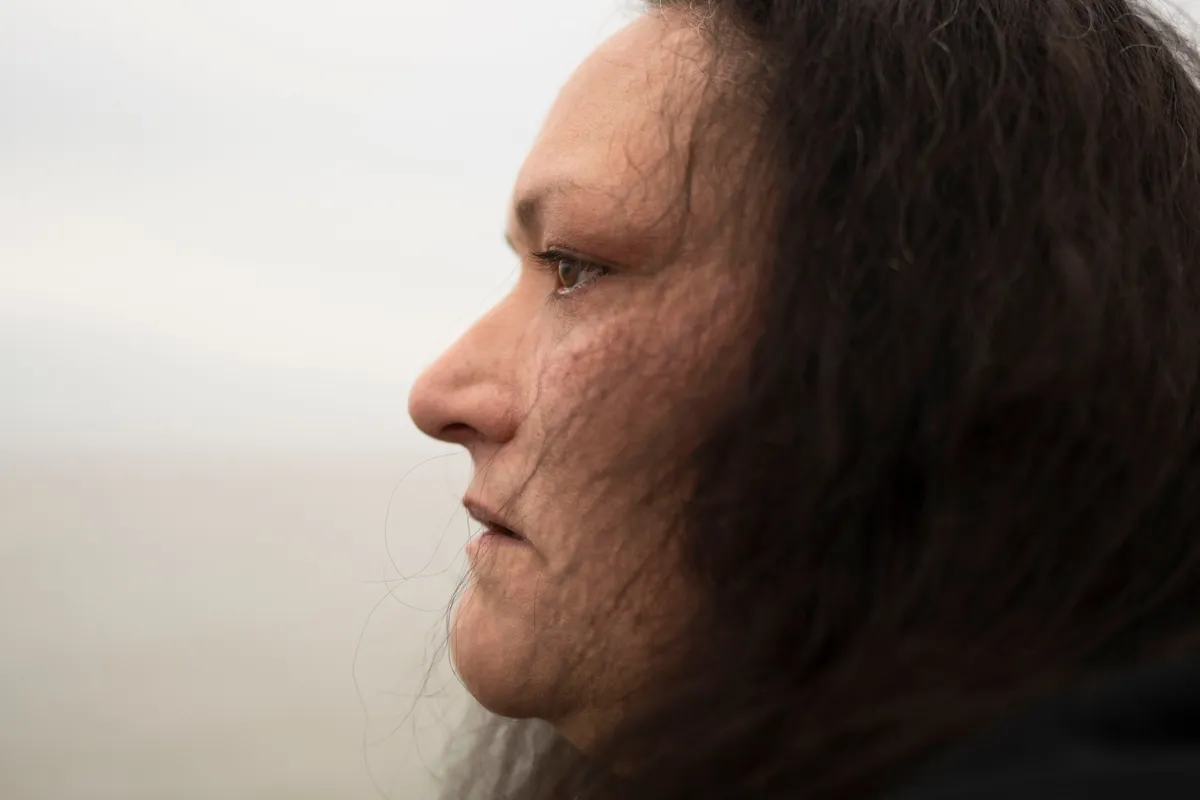
A woman named Kaitlin faced restricted parenting time after a hospital drug test detected a minuscule amount of opiates in her system following childbirth in October 2022, triggering a child welfare investigation. Despite no evidence of abuse, neglect, or drug use found during the investigation, the ordeal caused significant distress.
Alice HinesProPublicaFiled 2026-01-06 · 10:00 GMTLean · Center-LeftRead · 9 min
ProPublicaFIG 01
Reading time
9min
Word count
2 229words
Sources cited
1cited
Entities identified
4entities
Quality score
100%
§ 01
Briefing Summary
AI-generatedNEWSAR · AI
A woman named Kaitlin faced restricted parenting time after a hospital drug test detected a minuscule amount of opiates in her system following childbirth in October 2022, triggering a child welfare investigation. Despite no evidence of abuse, neglect, or drug use found during the investigation, the ordeal caused significant distress. The case highlights the inconsistent and discretionary standards used in drug testing, where thresholds for positive results vary widely between labs and child welfare systems. In Kaitlin's case, the opiate level was far below what would be permissible for an Air Force pilot. A lawsuit filed by New Jersey's attorney general against the hospital system alleges discrimination against pregnant patients, while the hospital cites state law mandating reports of "substance-affected infants." The lack of standardized drug testing levels raises concerns about the impact on families.
Confidence 0.90Sources 1Claims 5Entities 4
§ 02
Article analysis
Model · rule-basedFraming
Human Interest
Legal & Judicial
Tone
Mixed Tone
AI-assessed
CalmNeutralAlarmist
Factuality
0.70 / 1.00
Factual
LowHigh
Sources cited
1
Limited
FewMany
§ 03
Key claims
5 extracted01
The hospital said it has “a relentless commitment to evidence-based, equitable care for every family.”
quoteVirtua Health
Confidence
1.00
02
The amount of opiates that upended Kaitlin’s life was so minuscule that if she were an Air Force pilot, she could have had 200 times more.
factualProPublica
Confidence
1.00
03
Child welfare authorities opened an investigation into Kaitlin after a hospital drug test indicated the presence of opiates.
factualProPublica
Confidence
1.00
04
Kaitlin's parenting time was restricted after a positive drug test for 18.4 nanograms of codeine per milliliter of urine.
factualProPublica
Confidence
1.00
05
Drug test results are often based on discretionary standards, varying from test to test and lab to lab.
factualProPublica
Confidence
0.90
§ 04
Full report
9 min read · 2 229 words§ 05
Entities
4 identifiedKey playerOppositionContextPositiveNeutralNegative
Organizations3
Locations1
§ 06
Keywords & salience
9 termsdrug testing
1.00
positive drug test
0.90
child welfare
0.80
testing standards
0.80
parenting time
0.70
opiate testing
0.70
false positive
0.60
legal standards
0.50
court documents
0.40
§ 07
Topic connections
Interactive graph Network visualization showing 51 related topics
View Full Graph Person Organization Location Event|Click node to navigate|Edge numbers = shared articles