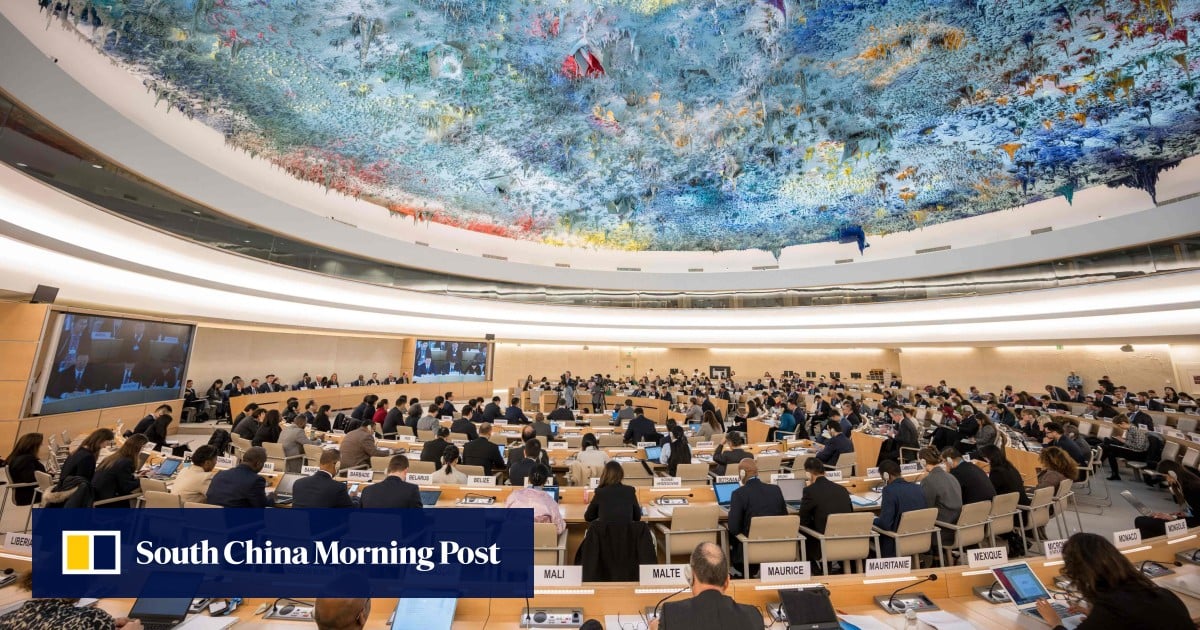
Indonesia begins its tenure as president of the UN Human Rights Council (UNHRC) this month under a cloud of contradiction, with officials hailing the prestige of the largely ceremonial role even as activists raise uncomfortable questions about the country’s own rights record.The 47-member body, a subsidiary of the UN General Assembly, has a mandate to promote and protect human rights globally. Indonesia’s ambassador was elected president on January 8 after being put forward as the Asia‑Pacific group’s sole candidate.“This is a very prestigious mandate,” Indah Nuria Savitri, the foreign ministry’s director for human rights and migration, told reporters.She said Indonesia’s presidency of the council “reflects the country’s long track record” of promoting human rights, “not only domestically but also at the regional and international levels”.In practice, the UNHRC presidency is largely administrative. It carries the authority to chair meetings and guide deliberations, but has limited power to shape their outcomes.“It’s an administrative role,” Lina Alexandra, international relations head at the Centre for Strategic and International Studies in Jakarta, told This Week in Asia.
SRCSouth China Morning Post
LANGEN
LEANCenter-Right
WORDS173
ENT4
SUN · 2026-01-18 · 04:00 GMTBRIEF NSR-2026-0118-8336
NSR-2026-0118-8336News Report·EN·Human Rights
‘False pride’: Indonesia’s UN rights role clashes with its domestic record
Indonesia has begun its presidency of the UN Human Rights Council (UNHRC) this month, a largely administrative role within the 47-member body. The UNHRC, a subsidiary of the UN General Assembly, is mandated to promote and protect human rights globally.
Resty Woro YuniarSouth China Morning PostFiled 2026-01-18 · 04:00 GMTLean · Center-RightRead · 1 min
South China Morning PostFIG 01
Reading time
1min
Word count
173words
Sources cited
2cited
Entities identified
4entities
Quality score
100%
§ 01
Briefing Summary
AI-generatedNEWSAR · AI
Indonesia has begun its presidency of the UN Human Rights Council (UNHRC) this month, a largely administrative role within the 47-member body. The UNHRC, a subsidiary of the UN General Assembly, is mandated to promote and protect human rights globally. Indonesia's ambassador was elected president on January 8, nominated as the Asia-Pacific group's sole candidate. While Indonesian officials emphasize the prestige and the country's human rights record as justification for the position, human rights activists are raising concerns about Indonesia's domestic rights record. The presidency primarily involves chairing meetings and guiding discussions, offering limited power to influence outcomes.
Confidence 0.90Sources 2Claims 5Entities 4
§ 02
Article analysis
Model · rule-basedFraming
Human Rights
Political Strategy
Tone
Measured
AI-assessed
CalmNeutralAlarmist
Factuality
0.70 / 1.00
Factual
LowHigh
Sources cited
2
Limited
FewMany
§ 03
Key claims
5 extracted01
The 47-member body has a mandate to promote and protect human rights globally.
factualnull
Confidence
1.00
02
The UNHRC presidency is largely administrative.
quoteLina Alexandra, international relations head at the Centre for Strategic and International Studies in Jakarta
Confidence
1.00
03
This is a very prestigious mandate.
quoteIndah Nuria Savitri, the foreign ministry’s director for human rights and migration
Confidence
1.00
04
Indonesia's ambassador was elected president on January 8.
factualnull
Confidence
1.00
05
Indonesia begins its tenure as president of the UN Human Rights Council this month.
factualnull
Confidence
1.00
§ 04
Full report
1 min read · 173 words§ 05
Entities
4 identifiedKey playerOppositionContextPositiveNeutralNegative
Organizations2
§ 06
Keywords & salience
8 termsun human rights council
1.00
human rights
0.90
indonesia
0.80
unhrc presidency
0.70
rights record
0.60
international relations
0.50
domestic policy
0.40
united nations
0.40
§ 07
Topic connections
Interactive graph Network visualization showing 50 related topics
View Full Graph Person Organization Location Event|Click node to navigate|Edge numbers = shared articles