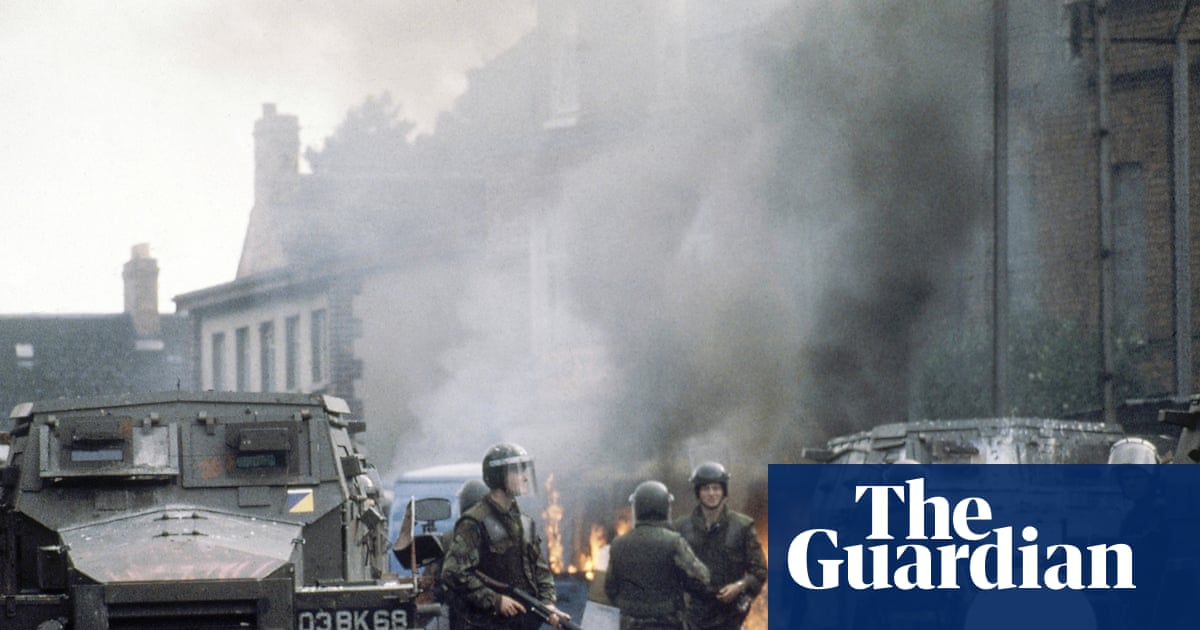
British military veteran groups have condemned a government attempt to remove immunity provisions from Northern Ireland legacy legislation, claiming it will expose former soldiers to “hounding” through the courts.MPs are to vote on Wednesday on a motion to reverse a Tory-era law that granted conditional immunity to those accused of wrongdoing during The Troubles.The government tabled what is known as a remedial order to remove the immunity clause after court challenges said it was incompatible with the European convention on human rights.Keir Starmer told the House of Commons the change would fulfil legal obligations while protecting veterans from vexatious prosecutions. “Under the last government, they passed legislation which was struck down, leaving our veterans utterly exposed. We’re putting in place proper measures to protect them,” the prime minister said.Kemi Badenoch, the Conservative leader, said her party would vote against the motion to protect veterans from “unfair prosecution”.Former SAS commanders accused Labour of leaving former soldiers vulnerable to harassment by “money-hungry law firms” in a legal cycle that could last decades. “History will not judge this prime minister on how carefully he managed legacy law,” they said in a letter published in the Daily Telegraph. “It will judge whether he had the courage to close the chapter and let the country move on.”The original Legacy Act – which Northern Ireland parties and victims’ groups called an affront to justice – scrapped about 230 civil actions related to The Troubles. Under Labour’s proposals, judges would have the power to revive the actions. The proposals would also lift the bar on new civil claims over Troubles cases.Hilary Benn, the Northern Ireland secretary of state, said the remedial order was essential to rebuild the trust of communities and restored the right to seek redress through the courts.The government said separate legacy legislation would incorporate six protections for former soldiers, including shielding them from repeated investigations, a right to apply for anonymity and to give evidence remotely, and to have age and infirmity taken into account.Last year the British and Irish governments agreed a framework to overhaul the original legacy legislation as part of a reset in relations between Dublin and London. In return for changes to the legislation, Dublin is to drop a pending inter-state case against the UK at the European Court of Human Rights.
SRCThe Guardian - World News
LANGEN
LEANCenter-Left
WORDS382
ENT11
WED · 2026-01-21 · 15:02 GMTBRIEF NSR-2026-0121-9382
NSR-2026-0121-9382News Report·EN·Legal & Judicial
British army veterans call to keep immunity clause in Northern Ireland legacy law
British military veteran groups are protesting the UK government's move to remove immunity provisions from Northern Ireland legacy legislation. The government is seeking to reverse a Tory-era law granting conditional immunity to those accused of wrongdoing during the Troubles, following court challenges citing incompatibility with human rights laws.
Rory Carroll Ireland correspondentThe Guardian - World NewsFiled 2026-01-21 · 15:02 GMTLean · Center-LeftRead · 2 min
The Guardian - World NewsFIG 01
Reading time
2min
Word count
382words
Sources cited
6cited
Entities identified
11entities
Quality score
100%
§ 01
Briefing Summary
AI-generatedNEWSAR · AI
British military veteran groups are protesting the UK government's move to remove immunity provisions from Northern Ireland legacy legislation. The government is seeking to reverse a Tory-era law granting conditional immunity to those accused of wrongdoing during the Troubles, following court challenges citing incompatibility with human rights laws. While the Labour government claims the change protects veterans from vexatious prosecutions and fulfills legal obligations, Conservative leaders and former SAS commanders argue it exposes soldiers to harassment and unfair prosecution. The original Legacy Act scrapped civil actions related to the Troubles, but the proposed changes would allow judges to revive these actions and lift the bar on new civil claims. The government states separate legislation will incorporate protections for former soldiers, and Dublin is set to drop a pending case against the UK in exchange for the changes.
Confidence 0.90Sources 6Claims 5Entities 11
§ 02
Article analysis
Model · rule-basedFraming
Legal & Judicial
Political Strategy
Tone
Measured
AI-assessed
CalmNeutralAlarmist
Factuality
0.70 / 1.00
Factual
LowHigh
Sources cited
6
Well sourced
FewMany
§ 03
Key claims
5 extracted01
The original Legacy Act scrapped about 230 civil actions related to the Troubles.
factual
Confidence
1.00
02
Former SAS commanders accused Labour of leaving former soldiers vulnerable to harassment.
quoteFormer SAS commanders
Confidence
1.00
03
Keir Starmer said the change would fulfil legal obligations while protecting veterans.
quoteKeir Starmer
Confidence
1.00
04
The government tabled a remedial order to remove the immunity clause after court challenges.
factual
Confidence
1.00
05
MPs are to vote on a motion to reverse a Tory-era law that granted conditional immunity.
factual
Confidence
1.00
§ 04
Full report
2 min read · 382 words§ 05
Entities
11 identifiedKey playerOppositionContextPositiveNeutralNegative
Organizations4
Locations4
§ 06
Keywords & salience
10 termsnorthern ireland legacy law
1.00
immunity clause
0.90
british army veterans
0.80
remedial order
0.70
the troubles
0.70
legacy legislation
0.60
european convention on human rights
0.60
civil actions
0.50
vexatious prosecutions
0.50
political reset
0.40
§ 07
Topic connections
Interactive graph Network visualization showing 51 related topics
View Full Graph Person Organization Location Event|Click node to navigate|Edge numbers = shared articles