Germany’s dramatic China car trade slump tests Merz’s tough talk at Davos
AI Summary
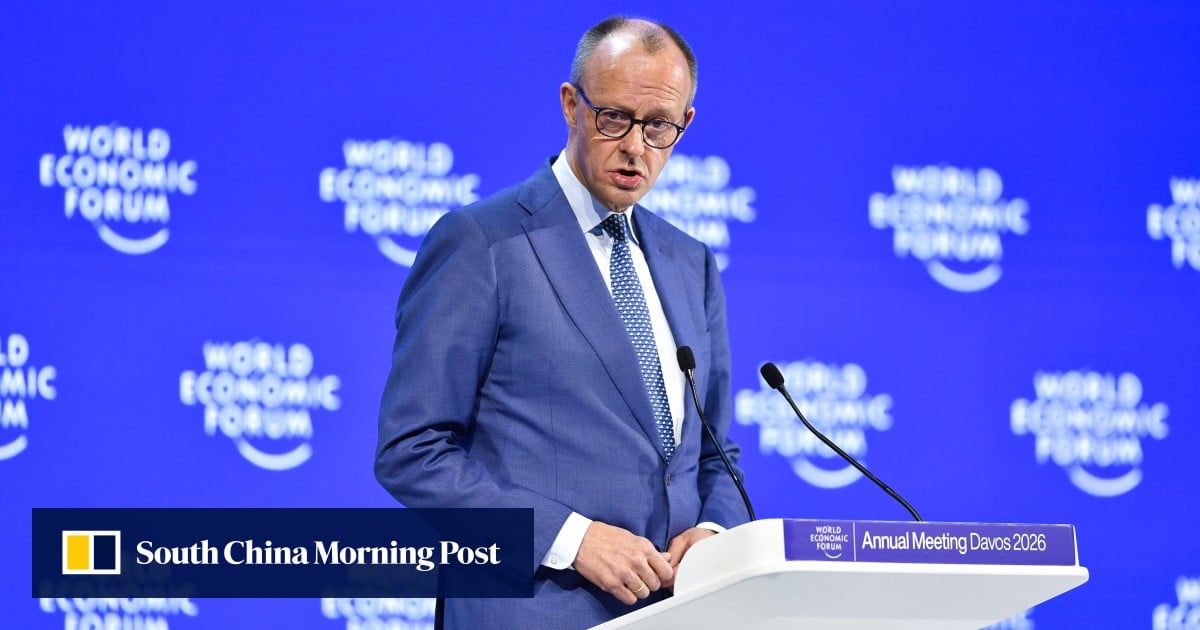
German Chancellor Friedrich Merz's pledge to make Europe the antithesis of state-sponsored unfair trade practices was put to the test as new figures revealed a dramatic slump in German car and car part shipments to China. Over 2024-2025, exports of large engine petrol saloon cars fell by 38% compared to the previous year, while smaller models saw a 39% decline. Germany's reluctance to participate in EU trade gambits against China was also evident, as it voted against imposing tariffs on Chinese-made electric vehicles in 2024. Merz's address at the World Economic Forum in Davos suggested that Berlin would take a special responsibility in addressing these issues. The slump highlights the pressure the German automotive industry faces from China, which has seen its shipments to Germany surge across many sectors. This marks a significant challenge for Merz and his efforts to reform Europe's trade policies.
Key Entities & Roles
Keywords
Sentiment Analysis
Source Transparency
This article was automatically classified using rule-based analysis.
Topic Connections
Explore how the topics in this article connect to other news stories
Find Similar Articles
AI-PoweredDiscover articles with similar content using semantic similarity analysis.