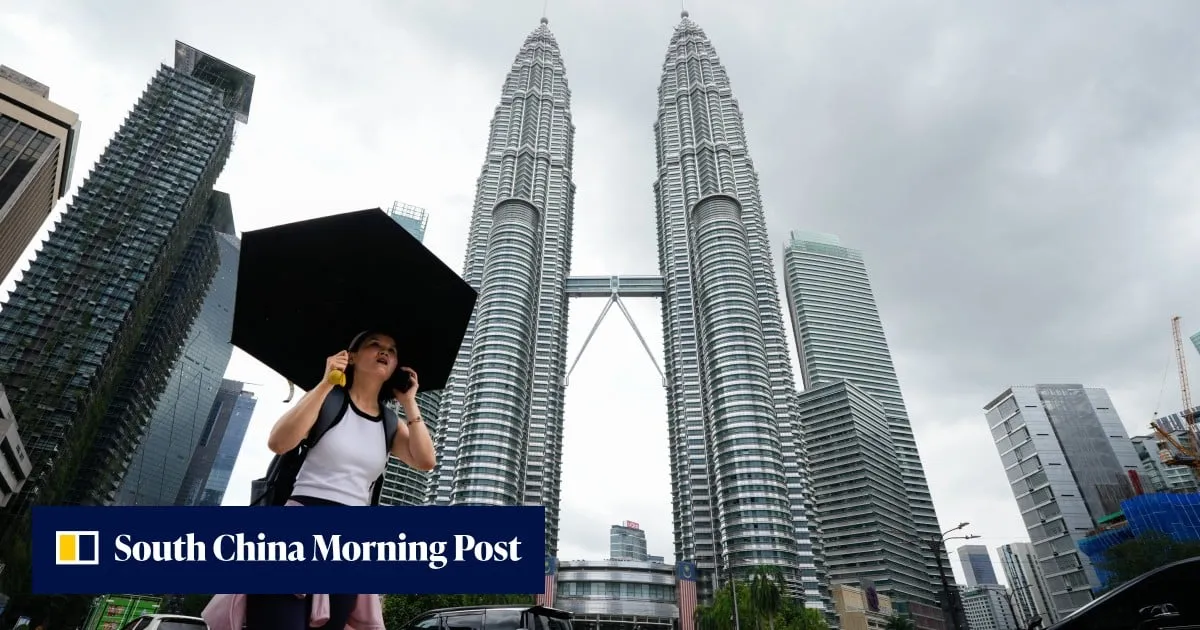
Young Malaysians are reporting worsening illnesses, heat-related health problems and disruptions to basic services as Climate Change intensifies, raising questions over whether the country’s adaptation policies can protect future generations.Unicef-Malaysia" class="entity-link entity-organization" data-entity-id="181405" data-entity-type="organization">Unicef Malaysia’s National Youth Climate Change Survey 2025, released in July, found that Climate Change was no longer only an environmental challenge but an immediate public health and economic issue.The survey gathered responses from 1,420 young people aged 15 to 30 across Malaysia between June and October 2025.Experts warned that policymakers must invest not only in reducing emissions but also in adapting to more frequent heatwaves, floods and other climate-related shocks, or risk deeper disruption to children’s health, education and Malaysia’s future workforce.Unicef said the survey’s findings showed Climate Change was affecting young people’s health and well-being, with respondents reporting significant concerns: one in four, or 25.9 per cent, said existing illnesses had worsened, while 19.7 per cent reported skin conditions, 18 per cent cited heat-related illnesses and 14.3 per cent respiratory problems.More than half said climate-related disasters had affected their access to essential services, including information, education and safe spaces.Dr Jemilah Mahmood, executive director of the Sunway Centre for Planetary Health, said the Unicef findings showed the issue had evolved from an environmental concern into a public health challenge.
SRCSouth China Morning Post
LANGEN
LEANCenter-Right
WORDS209
ENT11
SUN · 2026-08-09 · 02:00 GMTBRIEF NSR-2026-0809-100510
NSR-2026-0809-100510News Report·EN·Public Health
Climate crisis leaves Malaysia with hot-headed youth
A Unicef Malaysia survey of 1,420 young people aged 15-30, released in July 2025, reveals that climate change is increasingly impacting their health and well-being in Malaysia. Respondents reported worsening existing illnesses, skin conditions, heat-related illnesses, and respiratory problems due to intensifying climate change.
Ushar DanieleSouth China Morning PostFiled 2026-08-09 · 02:00 GMTLean · Center-RightRead · 1 min
South China Morning PostFIG 01
Reading time
1min
Word count
209words
Sources cited
2cited
Entities identified
11entities
Quality score
100%
§ 01
Briefing Summary
AI-generatedNEWSAR · AI
A Unicef Malaysia survey of 1,420 young people aged 15-30, released in July 2025, reveals that climate change is increasingly impacting their health and well-being in Malaysia. Respondents reported worsening existing illnesses, skin conditions, heat-related illnesses, and respiratory problems due to intensifying climate change. Over half of the young people surveyed also stated that climate-related disasters have disrupted their access to essential services like education and safe spaces. Experts warn that policymakers must prioritize both emission reduction and adaptation strategies to protect children's health, education, and Malaysia's future workforce from escalating climate shocks. The survey highlights that climate change is now a significant public health and economic issue, not just an environmental one.
Confidence 0.90Sources 2Claims 5Entities 11
§ 02
Article analysis
Model · rule-basedFraming
Public Health
Economic Impact
Tone
Measured
AI-assessed
CalmNeutralAlarmist
Factuality
0.80 / 1.00
Factual
LowHigh
Sources cited
2
Limited
FewMany
§ 03
Key claims
5 extracted01
More than half of young Malaysians surveyed said climate-related disasters affected their access to essential services.
statisticUnicef Malaysia
Confidence
1.00
02
19.7% of young Malaysians reported skin conditions linked to climate change.
statisticUnicef Malaysia
Confidence
1.00
03
25.9% of young Malaysians surveyed reported existing illnesses had worsened due to climate change.
statisticUnicef Malaysia
Confidence
1.00
04
Unicef Malaysia’s National Youth Climate Change Survey 2025 found climate change is an immediate public health and economic issue.
statisticUnicef Malaysia
Confidence
1.00
05
Policymakers must invest in adaptation to climate shocks or risk deeper disruption to children’s health, education, and Malaysia’s future workforce.
predictionExperts
Confidence
0.90
§ 04
Full report
1 min read · 209 words§ 05
Entities
11 identifiedKey playerOppositionContextPositiveNeutralNegative
Organizations3
Locations1
§ 06
Keywords & salience
10 termsclimate change
1.00
youth
0.90
health problems
0.80
malaysia
0.70
adaptation policies
0.60
public health
0.60
unicef
0.50
heatwaves
0.50
climate-related disasters
0.40
emissions
0.40
§ 07
Topic connections
Interactive graph Network visualization showing 51 related topics
View Full Graph Person Organization Location Event|Click node to navigate|Edge numbers = shared articles