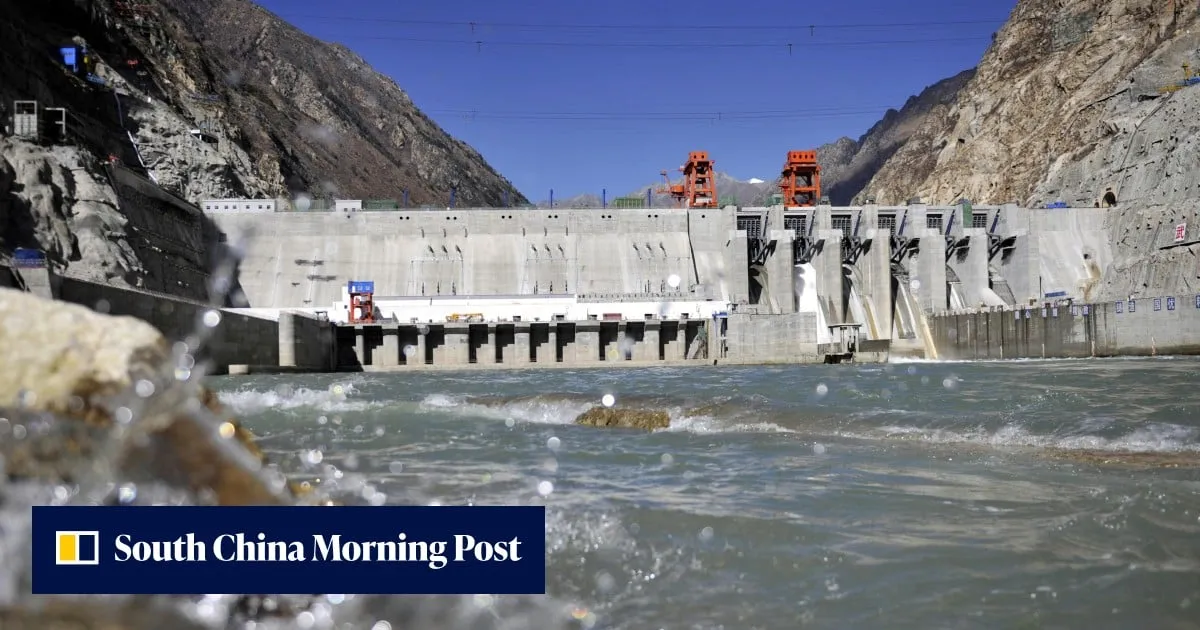
China is using an Artificial Intelligence-driven fish identification system to conduct round-the-clock tracking of species passing along a fishway on a dam on Tibet’s largest river.Monitoring the route once relied on labour-intensive manual counts, but it now uses an AI-based “fish facial recognition” system to identify species unique to the Tibet autonomous region, according to a report published by Global Times on Tuesday.Since the 116-metre-tall (381 feet) Zangmu Hydropower Station began operating on the middle reaches of the Yarlung Tsangpo River in 2015, the fishway, also known as a fish ladder, has helped around 570,000 rare fish swim upstream.
SRCSouth China Morning Post
LANGEN
LEANCenter-Right
WORDS99
ENT6
MON · 2026-08-10 · 02:00 GMTBRIEF NSR-2026-0810-100734
NSR-2026-0810-100734News Report·EN·Technology
China is using AI facial ID to track migrating fish in Tibet’s largest river
China has implemented an AI-driven fish identification system to monitor migrating fish on a dam along the Yarlung Tsangpo River, Tibet's largest. This new technology replaces previous manual counting methods, enabling round-the-clock tracking and species identification.
Victoria BelaSouth China Morning PostFiled 2026-08-10 · 02:00 GMTLean · Center-RightRead · 1 min
South China Morning PostFIG 01
Reading time
1min
Word count
99words
Sources cited
1cited
Entities identified
6entities
Quality score
100%
§ 01
Briefing Summary
AI-generatedNEWSAR · AI
China has implemented an AI-driven fish identification system to monitor migrating fish on a dam along the Yarlung Tsangpo River, Tibet's largest. This new technology replaces previous manual counting methods, enabling round-the-clock tracking and species identification. The system, described as "fish facial recognition," is used at the Zangmu Hydropower Station, which began operating in 2015. The fishway at the dam has facilitated the upstream migration of approximately 570,000 rare fish unique to the Tibet autonomous region. This initiative aims to better understand and manage fish populations in the area.
Confidence 0.85Sources 1Claims 4Entities 6
§ 02
Article analysis
Model · rule-basedFraming
Technology
Environmental
Tone
Measured
AI-assessed
CalmNeutralAlarmist
Factuality
0.80 / 1.00
Factual
LowHigh
Sources cited
1
Limited
FewMany
§ 03
Key claims
4 extracted01
The Zangmu Hydropower Station began operating in 2015 on the Yarlung Tsangpo River.
factual
Confidence
1.00
02
China is using AI facial ID to track migrating fish in Tibet’s largest river.
factual
Confidence
1.00
03
Around 570,000 rare fish have used the fishway to swim upstream since 2015.
statistic
Confidence
0.90
04
The AI system identifies species unique to the Tibet autonomous region.
factualGlobal Times
Confidence
0.90
§ 04
Full report
1 min read · 99 words§ 05
Entities
6 identifiedKey playerOppositionContextPositiveNeutralNegative
§ 06
Keywords & salience
9 termsai facial recognition
1.00
fish tracking
0.90
tibet
0.80
yarlung tsangpo river
0.70
artificial intelligence
0.70
hydropower station
0.60
species identification
0.50
fishway
0.50
wildlife monitoring
0.40
§ 07
Topic connections
Interactive graph Network visualization showing 51 related topics
View Full Graph Person Organization Location Event|Click node to navigate|Edge numbers = shared articles