Authorities in Spain have warned of an increased risk of fires when hundreds of thousands of people head to the hills and beaches to get a better view of Wednesday’s total solar eclipse.“The vegetation is extraordinarily dry and the smallest spark or carelessness could lead to devastating forest fires,” the environment minister, Sara Aagesen, said on a visit to Niebla in the south of the country, the site of Spain’s latest fire.Relentless heat and scarce rainfall have created ideal conditions for wildfires that have scarred swathes of Spain in recent weeks, including a huge blaze west of the capital, Madrid.Police estimate that about 1.5m additional car journeys will be made on Wednesday, and there are fears that the volume of traffic could block access for emergency vehicles if fires break out in rural areas. Parking on hard shoulders or close to dry vegetation has been banned, as have barbecues and fireworks.Firefighters battle a blaze in a forest in El Tiemblo, Castilla y León, on 25 July. The region is said to be one of the best to view the eclipse. Photograph: César Manso/AFP/Getty ImagesSpain is among the best locations in Europe to view the total solar eclipse. The finance ministry says it expects 460,000 overseas tourists to visit specifically to see the eclipse.As a precautionary measure, the Valencia region has closed its natural parks and banned walking on rural footpaths.On Monday, the national weather agency, AEMET, said July was mainland Spain’s joint-hottest month since records began in 1961. Last month was also mainland Spain’s driest July on record with just 4.3mm of rain falling, representing just 26% of the normal precipitation for the time of year.Human-caused climate breakdown is supercharging extreme weather across the world, and is responsible for a higher likelihood of fire and bigger burned areas in southern Europe.Hospitals are on alert for possible eye damage to people who do not wear the protective sunglasses that have been handed out free all over the country before the eclipse. Six brands of glasses have been withdrawn after being deemed unsafe by the consumer association FACUA.People should wear the glasses before, during and after the eclipse, said Jesús Meray, head of the Fernández-Vega ophthalmology research institute, warning that looking directly at the sun can cause irreparable damage.The total eclipse will cross Spain and is best viewed in a band about 200km (124 miles) wide from A Coruña in the Atlantic north-west to Mallorca in the Mediterranean.Accommodation in small towns and villages in its path, as well as makeshift observatories set up by local enthusiasts, have been booked out for months. There have been reports of people offering house exchanges in Washington DC and elsewhere in the US for a place in villages in Castilla y León, one of the best regions to view the eclipse.The US space agency Nasa has installed four high-powered telescopes next to the romanesque church in the tiny village of Villalibado in north-west Spain where it will live stream the eclipse to more than 10 million viewers.Nasa chose the village, which was abandoned for decades before being restored as a holiday destination, after almost a year searching for the perfect site to view the eclipse.
SRCThe Guardian - World News
LANGEN
LEANCenter-Left
WORDS529
ENT12
MON · 2026-08-10 · 13:21 GMTBRIEF NSR-2026-0810-100883
NSR-2026-0810-100883News Report·EN·Environmental
People flocking to Spain to view solar eclipse could spark more ‘devastating’ wildfires
Spain is anticipating 460,000 extra visitors for Wednesday's total solar eclipse, with northern regions being prime viewing locations. Authorities are warning of an increased wildfire risk due to extremely dry vegetation and a surge in car journeys, which could impede emergency access.
Stephen Burgen in TarragonaThe Guardian - World NewsFiled 2026-08-10 · 13:21 GMTLean · Center-LeftRead · 3 min
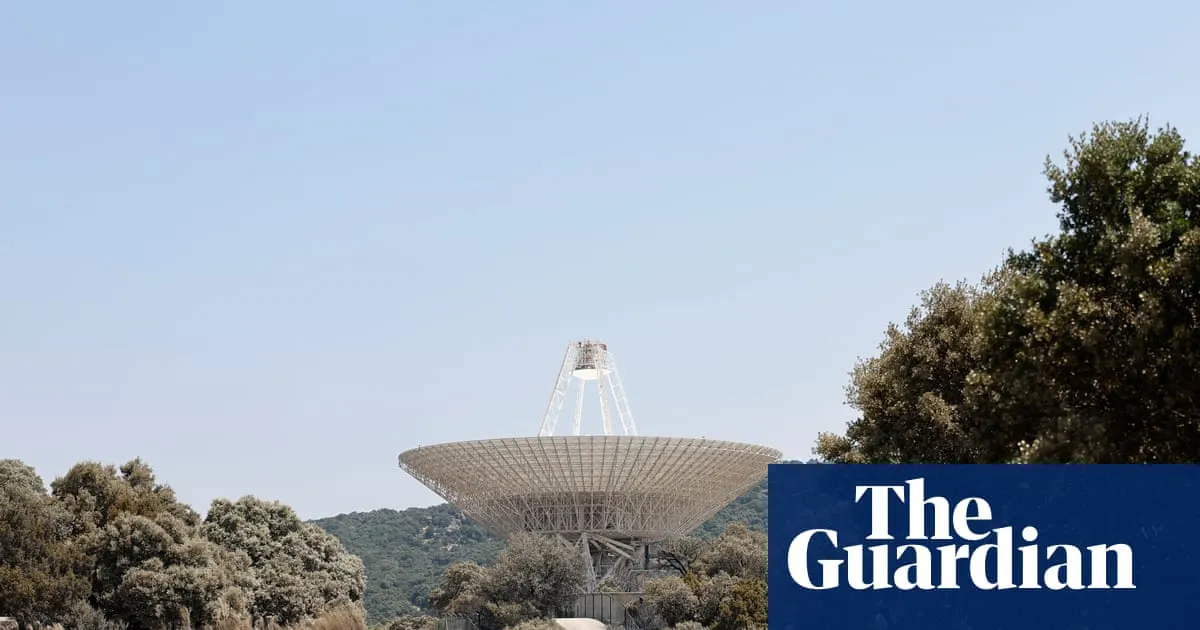
The Guardian - World NewsFIG 01
Reading time
3min
Word count
529words
Sources cited
5cited
Entities identified
12entities
Quality score
100%
§ 01
Briefing Summary
AI-generatedNEWSAR · AI
Spain is anticipating 460,000 extra visitors for Wednesday's total solar eclipse, with northern regions being prime viewing locations. Authorities are warning of an increased wildfire risk due to extremely dry vegetation and a surge in car journeys, which could impede emergency access. Precautionary measures include banning barbecues, fireworks, and parking near dry vegetation, while some natural parks have been closed. July was Spain's joint-hottest and driest on record, exacerbating fire conditions. Hospitals are also on alert for potential eye damage from the eclipse, advising the use of certified protective glasses. NASA has set up telescopes in northwest Spain to livestream the event.
Confidence 0.90Sources 5Claims 5Entities 12
§ 02
Article analysis
Model · rule-basedFraming
Environmental
Public Health
Tone
Mixed Tone
AI-assessed
CalmNeutralAlarmist
Factuality
0.80 / 1.00
Factual
LowHigh
Sources cited
5
Well sourced
FewMany
§ 03
Key claims
5 extracted01
Looking directly at the sun without protective glasses can cause irreparable damage.
quoteJesús Meray
Confidence
1.00
02
July was mainland Spain’s joint-hottest month since records began in 1961 and driest July on record.
statisticAEMET
Confidence
1.00
03
The vegetation is extraordinarily dry and the smallest spark or carelessness could lead to devastating forest fires.
quoteSara Aagesen
Confidence
1.00
04
Authorities warn of increased fire risk due to hundreds of thousands of people viewing the solar eclipse in dry conditions.
factualAuthorities in Spain
Confidence
0.90
05
Human-caused climate breakdown is responsible for a higher likelihood of fire and bigger burned areas in southern Europe.
factualArticle
Confidence
0.80
§ 04
Full report
3 min read · 529 words§ 05
Entities
12 identifiedKey playerOppositionContextPositiveNeutralNegative
Organizations2
Locations7
§ 06
Keywords & salience
10 termswildfires
1.00
solar eclipse
1.00
climate breakdown
0.90
extreme weather
0.80
fire risk
0.80
spain
0.70
dry vegetation
0.60
heatwave
0.50
tourism
0.50
eye damage
0.40
§ 07
Topic connections
Interactive graph Network visualization showing 51 related topics
View Full Graph Person Organization Location Event|Click node to navigate|Edge numbers = shared articles