Europe is in an economic crisis that, unlike the eurozone downturn at the beginning of the millennium, cannot be measured in ratings downgrades and borrowing costs. For metrics, try engagement depth and consumer trust instead.The unedifying spectacle of the European Union’s falling out over the Ceuta crisis looks like the latest symptom of Europe’s shrinking attention economy. When more than 70,000 people crossed over from Morocco to the Spanish enclave of Ceuta at the start of the month, Rome hastily reintroduced air and sea border checks with Spain for one month; Madrid retaliated with spot-checks on travellers to Italy.Politicians were falling over themselves to match the wildfire speed of social media, for this was a geopolitical flashpoint that appears not just to have been engineered but also politically processed via short video clips online. The crossings were reportedly triggered by viral videos suggesting that Spain’s border with Morocco was opening, while their framing as an “assault” or “invasion” was amplified by accounts with links to the Russian military, as Aisha Down reported. Platforms such as Instagram, Facebook and TikTok are built to reward content that instantly hooks in viewers – three seconds long is the golden rule. How can lawmakers ever keep up?Imperium, a film about the USSR created from archival footage. Photograph: Courtesy Venice Film FesitvalYet what if, paradoxically, our attention economy is both shrinking and expanding at the same time? I’ve found it hard to shake that impression after perusing the lineup at the forthcoming Venice film festival, opening on 2 September.This year at the Lido, you can watch a three-hour film about the Italian Communist party sending a camera team to the Soviet Union (Imperium, by Ukrainian auteur Sergei Loznitsa); a four-hour documentary about Elon Musk (Musk, by American director Alex Gibney); or a more than five-hour video diary about Russian dissident journalists in exile (Julia Loktev’s My Undesirable Friends: Part II). Too short for you? Then, get tickets for Luca Guadagnino’s Joie de Vivre, a lengthy analysis of the films of compatriot Bernardo Bertolucci. It clocks in at seven hours.For the most part, these are surprisingly politically forthright titles at a film festival that in the recent past has focused on glitz and glamour. Loznitsa’s documentary seeks to shatter the remnants of the left’s illusions about the Soviet Union; Loktev gives a voice to the journalists silenced by Putin; Gibney’s Musk film has already been preemptively dismissed by the far-right tycoon as a “hit job”. But are they trying to stretch out attention spans so much that they risk playing only to a gallery of cinephiles?On the topic of impactful film-making …skip past newsletter promotionafter newsletter promotionA call to creative action … Dr Lina Qasem-Hassan, a Palestinian doctor in Israel’s healthcare system, in the documentary, The Oath. Photograph: Guardian DocumentariesPerhaps there is a point between both extremes to capture people’s imaginations and attention. That’s what the Guardian is hoping to prove, in collaboration with Franco-German culture channel Arte. We are inviting film-makers to propose short-form documentaries exploring democracy in Europe today. The winning submission will be presented at the DOK Leipzig film festival at the end of October, and subsequently receive funding, editorial support and distribution through Guardian Documentaries and Arte platforms. The deadline for submissions is 14 September.Crucially, they should be no longer than 20 minutes – a length that Jess Gormley, the Guardian’s executive producer of documentaries, argues “encourages participation and debate”. She points to recent Guardian documentaries such as Liane Aviram and Louis Hollis’s 23-minute short The Oath, about a Palestinian doctor in Israel’s healthcare system, which led to its protagonist being invited to speak in front of the UK parliament – a film that held, rather than overwhelmed our attention.
SRCThe Guardian - World News
LANGEN
LEANCenter-Left
WORDS618
ENT12
WED · 2026-08-12 · 14:15 GMTBRIEF NSR-2026-0812-101612
NSR-2026-0812-101612Analysis·EN·Political Strategy
In Venice, it’s not politics as usual as film-makers aim to recapture our attention
The Venice Film Festival is featuring politically charged films that challenge the shrinking attention spans fostered by social media. Directors like Sergei Loznitsa and Alex Gibney are presenting lengthy documentaries on topics such as the Soviet Union, Elon Musk, and Russian dissidents.
Philip Oltermann, European culture editorThe Guardian - World NewsFiled 2026-08-12 · 14:15 GMTLean · Center-LeftRead · 3 min
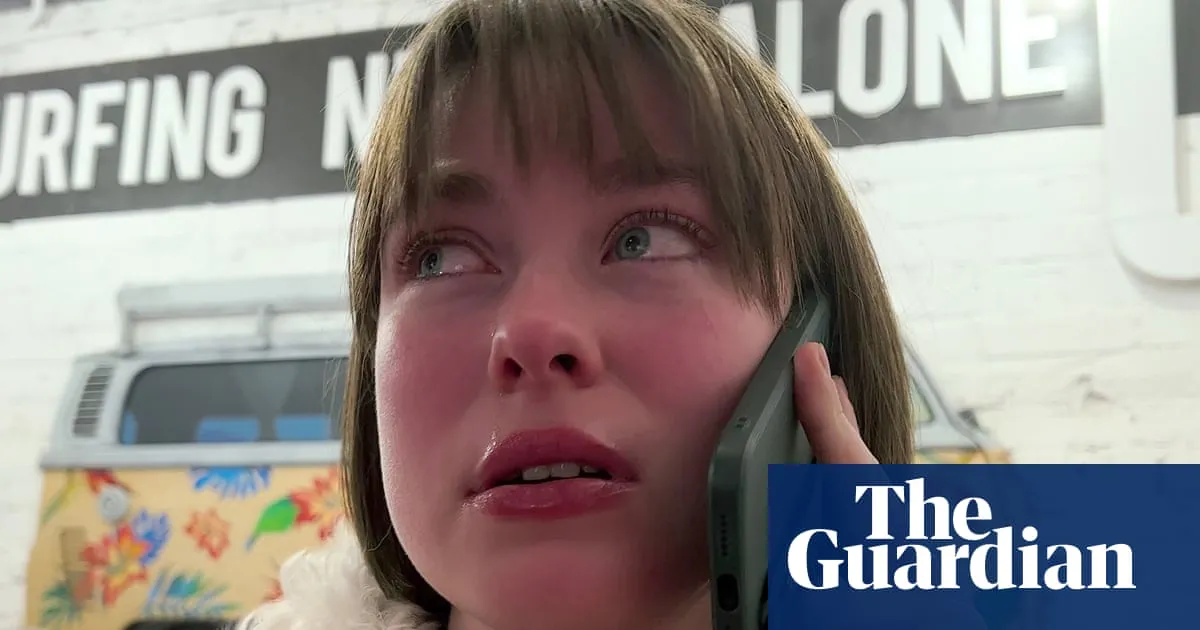
The Guardian - World NewsFIG 01
Reading time
3min
Word count
618words
Sources cited
2cited
Entities identified
12entities
Quality score
100%
§ 01
Briefing Summary
AI-generatedNEWSAR · AI
The Venice Film Festival is featuring politically charged films that challenge the shrinking attention spans fostered by social media. Directors like Sergei Loznitsa and Alex Gibney are presenting lengthy documentaries on topics such as the Soviet Union, Elon Musk, and Russian dissidents. This contrasts with the festival's recent focus on glamour. The article suggests that social media's amplification of events like the Ceuta crisis, through viral videos and rapid political responses, exemplifies Europe's attention economy challenges. In response, The Guardian and Arte are launching a call for short-form documentary proposals (under 20 minutes) on democracy in Europe, aiming to foster participation and debate.
Confidence 0.90Sources 2Claims 5Entities 12
§ 02
Article analysis
Model · rule-basedFraming
Political Strategy
Technology
Tone
Measured
AI-assessed
CalmNeutralAlarmist
Factuality
0.40 / 1.00
Mixed
LowHigh
Sources cited
2
Limited
FewMany
§ 03
Key claims
5 extracted01
Platforms like Instagram, Facebook, and TikTok reward content that instantly hooks viewers, with three seconds being the golden rule.
factual
Confidence
0.90
02
Europe is experiencing an economic crisis that differs from the eurozone downturn by being measured in engagement depth and consumer trust, not ratings downgrades.
factual
Confidence
0.80
03
Framing of the Ceuta crossings as an 'assault' or 'invasion' was amplified by accounts linked to the Russian military.
factualAisha Down
Confidence
0.70
04
The Ceuta crossings were reportedly triggered by viral videos suggesting Spain's border with Morocco was opening.
factualAisha Down
Confidence
0.70
05
The EU's falling out over the Ceuta crisis is a symptom of Europe's shrinking attention economy.
factual
Confidence
0.70
§ 04
Full report
3 min read · 618 words§ 05
Entities
12 identifiedKey playerOppositionContextPositiveNeutralNegative
Locations7
§ 06
Keywords & salience
10 termsattention economy
1.00
venice film festival
0.90
ceuta crisis
0.80
social media
0.70
political commentary
0.60
film industry
0.50
european union
0.50
consumer trust
0.40
archival footage
0.40
geopolitical flashpoint
0.40
§ 07
Topic connections
Interactive graph Network visualization showing 51 related topics
View Full Graph Person Organization Location Event|Click node to navigate|Edge numbers = shared articles