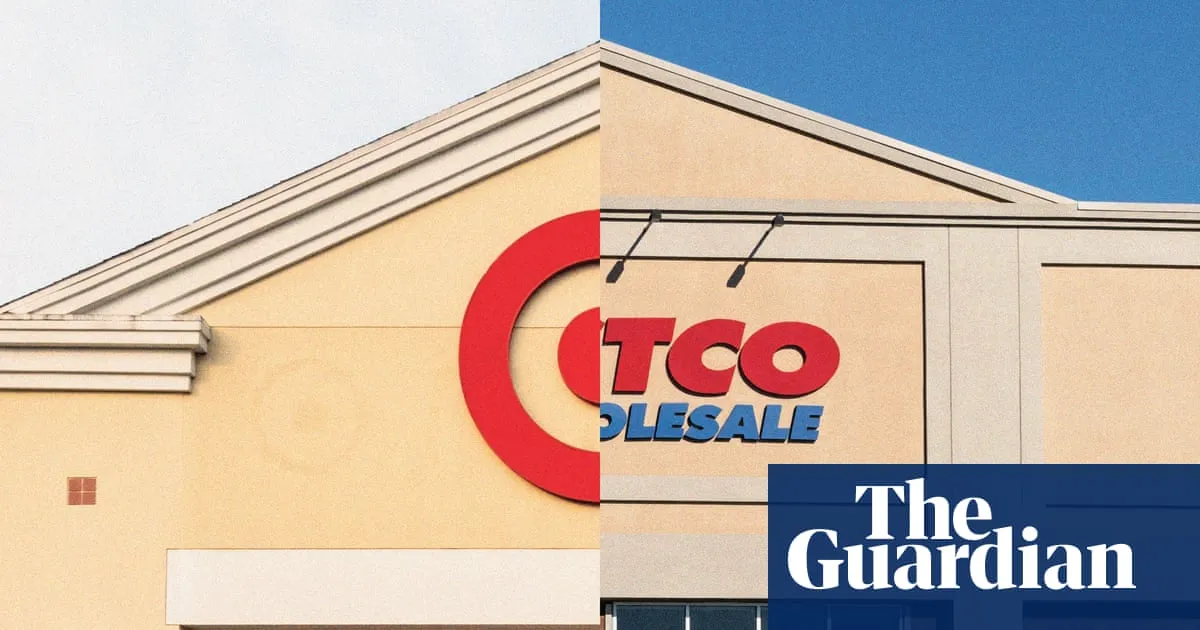
Conservative backlash was supposed to put an end to the diversity, inclusion and equity (DEI) movement as companies were warned “go woke, go broke”.In January 2025, Donald Trump delivered a death knell, ending DEI within the federal government with executive orders and threatening to target companies that still supported it. Companies including Google, Goldman Sachs, McDonald’s and Walmart that had embraced DEI years earlier fell into line and announced an end to their policies.But new research published Friday and shared exclusively with the Guardian found that companies that resisted the pressure and kept their DEI practices, including Costco, Apple and Delta Air Lines, performed just as well as their competitors who pulled back.For the research, Jacob Grumbach, an associate professor at at the University of California at Berkeley’s Goldman School of Public Policy, analyzed how S&P 500 companies fared after Trump’s January executive order. He used what economists define as “abnormal returns” – the difference between how a stock was expected to perform versus how it actually performed – to isolate the impact of a company’s DEI decision.What he found was the firms that kept their DEI policies or voted down anti-DEI shareholder resolutions did just as well financially, even after Trump’s executive order, as firms that didn’t. In the days after the executive orders were signed, companies that kept their DEI policies actually performed better on the stock market than those that didn’t.Whether or not DEI benefits a company’s bottom line can depend on its consumers. Grumbach noted companies that publicly stood firm on their DEI policies might have known they could weather a political storm. Apple, for example, may have known it could maintain its DEI efforts in a way that Tractor Supply, another prominent company that pulled back its policies, could not.The “go woke, go broke” movement found its power in 2023, when a series of conservative backlashes against companies gained momentum. Bud Light sales dropped following a conservative boycott after the beer company featured transgender influencer Dylan Mulvaney. Target became an embodiment of its name after fury erupted over its pride month merchandise. Ron DeSantis, the Florida governor, embarked on a prolonged fight with Disney after the company vocally opposed the state’s “don’t say gay” bill. “Cracker Barrel has fallen,” a conservative group wrote after the restaurant chain celebrated pride month on social mediaThen, also in 2023, the US supreme court ruled that race-conscious admissions policies in higher education were unconstitutional, opening the floodgates for legal challenges against DEI policies in other places, including the workplace.“That really created a lot of fear and panic in corporate America and is what led to a lot of the pullbacks around DEI,” said David Glasgow, executive director of the Meltzer Center for Diversity, Inclusion and Belonging at New York University’s law school. “When Trump came into office for the second time, that just poured fuel on an already raging fire.”After Trump’s executive orders, companies had to weigh the risks. Many quietly scrapped the DEI promises they had made after the murder of George Floyd and the racial reckoning it inspired. Some ended up facing a reverse backlash: the Twin Cities Pride parade dropped Target, which is based in Minneapolis, as a sponsor after the company withdrew some of its DEI policies.But the reality of this pullback was likely different from what was seen in the headlines, Glasgow said. Of the many companies he spoke to, most “made adjustments to their diversity principles on account of legal and regulatory environments”.“Often what’s going on is something more in the messy middle, where they’re sticking with some things, deleting others and then reframing or rebranding some,” Glasgow said.While there was “no perfect way” to measure whether a firm was pulling back its DEI policies, Grumbach kept track of company policies by analyzing news coverage, pulling anti-DEI shareholder proposals and keeping track of the proposals’ votes, and using data from an activist group called DEI Watch, which maintains a tracker of companies.“No matter how we measure DEI in companies, we find the same answer,” he said: holding on to DEI promises ultimately had no impact on financial performance.Grumbach said the implications go beyond DEI and illustrates how organizations fare after resisting authoritarian policies.“What happens when you don’t comply with that executive branch pressure in a moment of great fear in these civil society organizations?” Grumbach said. “This shows that large US corporations really do have leeway and the ability to sort of do noncompliance to executive branch pressure and end up fine.”
SRCThe Guardian - World News
LANGEN
LEANCenter-Left
WORDS749
ENT12
FRI · 2026-08-14 · 11:00 GMTBRIEF NSR-2026-0814-102280
NSR-2026-0814-102280News Report·EN·Economic Impact
US firms that kept DEI policies despite ‘go woke, go broke’ threats thrived
New research analyzing S&P 500 companies after Donald Trump's January 2025 executive orders found that firms which maintained Diversity, Equity, and Inclusion (DEI) policies performed financially as well as, and sometimes better than, those that discontinued them. The study, conducted by Jacob Grumbach of UC Berkeley, examined stock market performance using "abnormal returns" to isolate the impact of DEI decisions.
Gaya GuptaThe Guardian - World NewsFiled 2026-08-14 · 11:00 GMTLean · Center-LeftRead · 3 min
The Guardian - World NewsFIG 01
Reading time
3min
Word count
749words
Sources cited
3cited
Entities identified
12entities
Quality score
100%
§ 01
Briefing Summary
AI-generatedNEWSAR · AI
New research analyzing S&P 500 companies after Donald Trump's January 2025 executive orders found that firms which maintained Diversity, Equity, and Inclusion (DEI) policies performed financially as well as, and sometimes better than, those that discontinued them. The study, conducted by Jacob Grumbach of UC Berkeley, examined stock market performance using "abnormal returns" to isolate the impact of DEI decisions. Companies like Costco, Apple, and Delta Air Lines, which resisted pressure to end DEI practices, showed no negative financial consequences. This research suggests that corporate resistance to executive branch pressure regarding DEI did not harm financial outcomes, contrary to the "go woke, go broke" warnings.
Confidence 0.90Sources 3Claims 5Entities 12
§ 02
Article analysis
Model · rule-basedFraming
Economic Impact
Social Justice
Tone
Measured
AI-assessed
CalmNeutralAlarmist
Factuality
0.70 / 1.00
Factual
LowHigh
Sources cited
3
Well sourced
FewMany
§ 03
Key claims
5 extracted01
Conservative backlashes against companies like Bud Light, Target, and Disney gained momentum in 2023.
factualarticle
Confidence
0.95
02
Donald Trump threatened to target companies that continued to support DEI policies.
factualarticle
Confidence
0.90
03
The Supreme Court ruling on race-conscious admissions created fear and panic in corporate America regarding DEI.
quoteDavid Glasgow
Confidence
0.90
04
Companies that kept their DEI practices performed as well as competitors who pulled back.
factualJacob Grumbach
Confidence
0.90
05
In the days after Trump's executive order, companies that kept DEI policies performed better on the stock market.
factualJacob Grumbach
Confidence
0.85
§ 04
Full report
3 min read · 749 words§ 05
Entities
12 identifiedKey playerOppositionContextPositiveNeutralNegative
Organizations8
Locations1
§ 06
Keywords & salience
9 termsdei policies
1.00
conservative backlash
0.90
go woke go broke
0.80
corporate performance
0.70
donald trump
0.60
stock market
0.50
executive orders
0.50
consumer impact
0.40
shareholder resolutions
0.40
§ 07
Topic connections
Interactive graph No topic relationship data available yet. This graph will appear once topic relationships have been computed.