Thames Water is preparing the UK’s only desalination plant to restart operations later this year – but it will not be ready until the winter, long after the current drought is likely to have passed.The utility company said that it was hoping to start operating its plant in Beckton, east London, “by the end of the year”, in order to help build up reservoir supplies over the winter for next summer.Water companies across the UK have imposed hosepipe bans as they try to conserve supplies, with much of the country enduring a fifth heatwave that is worsening drought conditions.The Beckton plant has only ever run five times, providing just 7.2bn litres of drinking water or about seven days’ worth of the capital’s daily demand over 15 years.desalination plants are widely used in the Middle East to provide drinking water. Yet the desalination plant in Beckton has long been regarded as a white elephant.Thames Water’s desalination plant has barely operated over the past 15 years. Photograph: Peter Macdiarmid/Getty ImagesThames Water, which supplies 16 million customers in London and the Thames valley, fully opened the plant in 2011, spending an initial £270m to install it. It was designed to use seawater from the Thames estuary in times of drought. However, for the past 15 years it has barely operated. The total cost of the plant is now counted at £500m, providing a meagre return for customers who funded it through their bills.Thames Water’s performance during the drought will be closely scrutinised, with the prime minister, Andy Burnham, due to decide the company’s future in the coming weeks.A Thames Water spokesperson said: “Preparations are under way at the Thames Gateway water treatment works in Beckton, east London, so it can be brought online by the end of the year, if needed, to help support reservoir recovery over the winter.“Any decision to use the desalination plant will depend on weather conditions, demand, and reservoir levels in the coming weeks.”Burnham on Thursday said he was angry and that water customers were not a “bottomless source of funding” after 13 companies were allowed to increase bills to fund extra projects. Thames Water was one of five companies permitted to raise bills in the next four years.Thames Water’s performance during the drought will be closely scrutinised. Photograph: Ben Stansall/AFP/Getty ImagesHowever, operating the Beckton plant may not be financially attractive for Thames Water, given the high cost of electricity. Thames Water is already under severe financial pressure. Its creditors have effectively been in control of the business for two years, but they are seeking leeway from the government on fines for pollution before formally taking over.skip past newsletter promotionafter newsletter promotionChris Weston, Thames Water’s chief executive, last year told MPs on the environment committee that the Beckton plant had serious problems. The company’s engineers were “working very hard to try to make it work”, he said.The plant relies on treatment membranes to allow water but not salt to pass through. Weston said the membranes were last year at the end of their life, but the company was unable to replace them because there was no testing facility they could use on the new ones.“The desalination plant is a big problem for us,” Weston said. “I wonder why it was built in the first place. It is not a good story, it was not a good investment, and there are no excuses about it.”MPs have expressed frustration in recent years that the plant has not been available to provide drinking water during heatwaves.Operating the plant in cooler temperatures could, however, prove more financially viable if wind power is in abundance and there is less strain on the grid, meaning electricity prices could be lower.
SRCThe Guardian - World News
LANGEN
LEANCenter-Left
WORDS615
ENT12
FRI · 2026-08-14 · 15:08 GMTBRIEF NSR-2026-0814-102331
NSR-2026-0814-102331News Report·EN·Economic Impact
Thames Water plans to restart desalination plant – after drought has ended
Thames Water plans to restart its Beckton desalination plant in east London by the end of the year, despite the current drought likely having passed by then. The plant, which has only operated five times in 15 years and cost an estimated £500 million, is intended to help replenish reservoir supplies over winter for the following summer.
Jasper JollyThe Guardian - World NewsFiled 2026-08-14 · 15:08 GMTLean · Center-LeftRead · 3 min
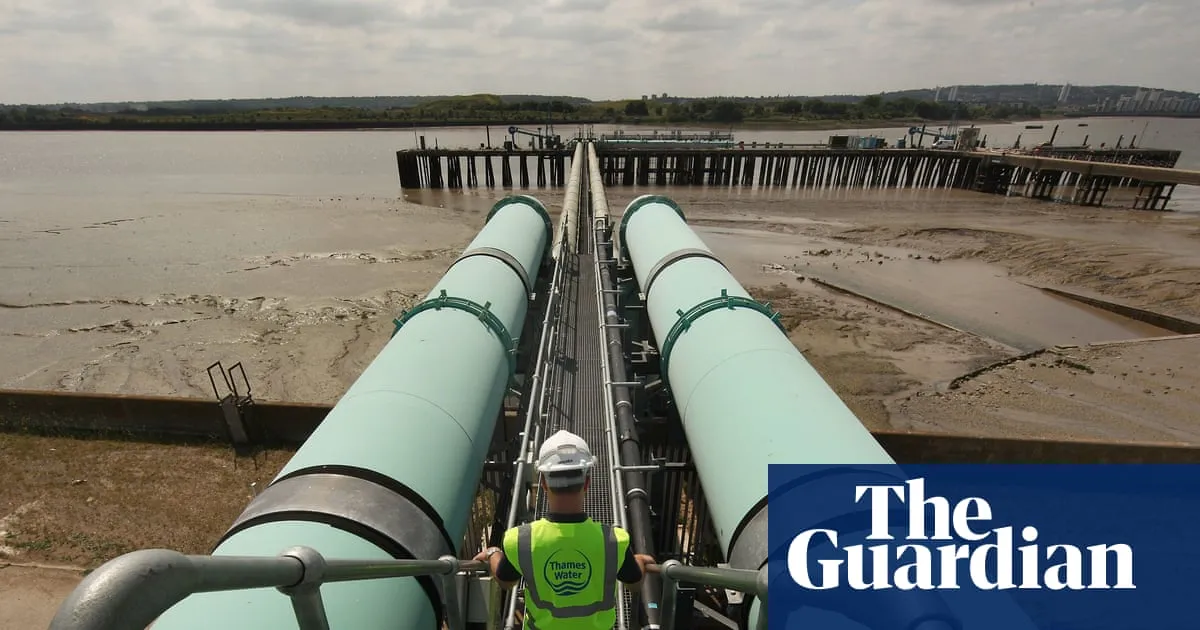
The Guardian - World NewsFIG 01
Reading time
3min
Word count
615words
Sources cited
3cited
Entities identified
12entities
Quality score
100%
§ 01
Briefing Summary
AI-generatedNEWSAR · AI
Thames Water plans to restart its Beckton desalination plant in east London by the end of the year, despite the current drought likely having passed by then. The plant, which has only operated five times in 15 years and cost an estimated £500 million, is intended to help replenish reservoir supplies over winter for the following summer. This decision comes as water companies face scrutiny over drought management and impose hosepipe bans. The plant's limited operational history and high costs have led to it being considered a "white elephant." Its restart is dependent on weather conditions, demand, and reservoir levels, and operating it may be financially challenging due to electricity costs.
Confidence 0.90Sources 3Claims 5Entities 12
§ 02
Article analysis
Model · rule-basedFraming
Economic Impact
Environmental
Tone
Mixed Tone
AI-assessed
CalmNeutralAlarmist
Factuality
0.70 / 1.00
Factual
LowHigh
Sources cited
3
Well sourced
FewMany
§ 03
Key claims
5 extracted01
Water companies, including Thames Water, have imposed hosepipe bans due to worsening drought conditions.
factual
Confidence
0.95
02
The Beckton desalination plant has cost a total of £500m and has operated only five times in 15 years, providing 7.2bn litres of water.
statistic
Confidence
0.95
03
Thames Water's performance during the drought will be closely scrutinized, with the prime minister due to decide the company's future.
factual
Confidence
0.90
04
Thames Water plans to restart its desalination plant in Beckton by the end of the year to help reservoir supplies over winter.
factualThames Water
Confidence
0.90
05
Operating the Beckton plant may not be financially attractive for Thames Water due to high electricity costs.
factual
Confidence
0.80
§ 04
Full report
3 min read · 615 words§ 05
Entities
12 identifiedKey playerOppositionContextPositiveNeutralNegative
People1
Organizations1
Locations6
Events1
§ 06
Keywords & salience
8 termsdesalination plant
1.00
drought
0.90
thames water
0.80
reservoir supplies
0.70
water conservation
0.60
beckton plant
0.50
water bills
0.40
electricity cost
0.40
§ 07
Topic connections
Interactive graph Network visualization showing 17 related topics
View Full Graph Person Organization Location Event|Click node to navigate|Edge numbers = shared articles