Wear now, pay later: the new rules of Southeast Asia’s indulgence economy6-MIN READ6-MIN0ListenPublished: 8:00am, 15 Aug 2026With its padded leather and gold “CC” lock, Coco Chanel’s instantly recognisable bag is practically part of the uniform for any self-respecting Bangkok property agent – an apt accessory for a city that recently edged into the top 10 anywhere for luxury spending.But in chastened economic times liquidity and luxury are no longer in lockstep, challenging many of those with expensive tastes to find new ways to keep up appearances while balancing their books.Jirapun Ngam, 42, works in the fast-paced business of buying and selling the Thai capital’s skyline.Select VoiceSelect Speed0.8x0.9x1.0x1.1x1.2x1.5x1.75x00:0000:001.00x
SRCSouth China Morning Post
LANGEN
LEANCenter-Right
WORDS107
ENT7
SAT · 2026-08-15 · 00:00 GMTBRIEF NSR-2026-0815-102465
NSR-2026-0815-102465Analysis·EN·Economic Impact
Wear now, pay later: the new rules of Southeast Asia’s indulgence economy
Southeast Asia's luxury market is experiencing a shift as economic conditions challenge traditional spending habits. In Bangkok, a city ranking high for luxury spending, consumers with expensive tastes are seeking new methods to maintain appearances while managing their finances.
Aidan JonesSouth China Morning PostFiled 2026-08-15 · 00:00 GMTLean · Center-RightRead · 1 min
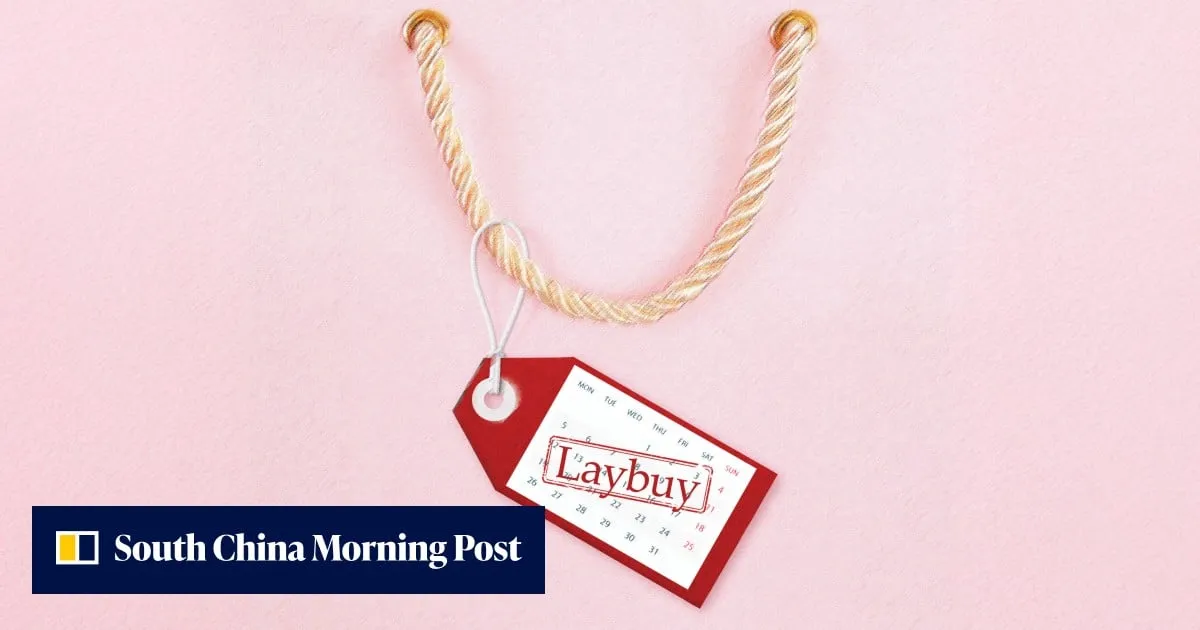
South China Morning PostFIG 01
Reading time
1min
Word count
107words
Sources cited
1cited
Entities identified
7entities
Quality score
100%
§ 01
Briefing Summary
AI-generatedNEWSAR · AI
Southeast Asia's luxury market is experiencing a shift as economic conditions challenge traditional spending habits. In Bangkok, a city ranking high for luxury spending, consumers with expensive tastes are seeking new methods to maintain appearances while managing their finances. This trend is driven by a disconnect between liquidity and luxury, forcing individuals to adapt. The article highlights this phenomenon through the example of Jirapun Ngam, a 42-year-old working in Bangkok's property sector, who is navigating these changing economic realities. The "wear now, pay later" approach is emerging as a new strategy within this evolving indulgence economy.
Confidence 0.85Sources 1Claims 4Entities 7
§ 02
Article analysis
Model · rule-basedFraming
Economic Impact
Human Interest
Tone
Measured
AI-assessed
CalmNeutralAlarmist
Factuality
0.40 / 1.00
Mixed
LowHigh
Sources cited
1
Limited
FewMany
§ 03
Key claims
4 extracted01
Jirapun Ngam is a 42-year-old professional in Bangkok's property sector.
quoteJirapun Ngam
Confidence
1.00
02
The 'wear now, pay later' model is emerging as a new way to finance luxury purchases in Southeast Asia.
factual
Confidence
0.90
03
Economic conditions are challenging consumers' ability to maintain luxury spending.
factual
Confidence
0.90
04
Bangkok has edged into the top 10 globally for luxury spending.
statistic
Confidence
0.80
§ 04
Full report
1 min read · 107 words§ 05
Entities
7 identifiedKey playerOppositionContextPositiveNeutralNegative
§ 06
Keywords & salience
9 termsindulgence economy
1.00
wear now, pay later
0.90
southeast asia
0.80
luxury spending
0.70
economic times
0.60
balancing books
0.50
keeping up appearances
0.50
coco chanel
0.40
bangkok
0.40
§ 07
Topic connections
Interactive graph Network visualization showing 51 related topics
View Full Graph Person Organization Location Event|Click node to navigate|Edge numbers = shared articles