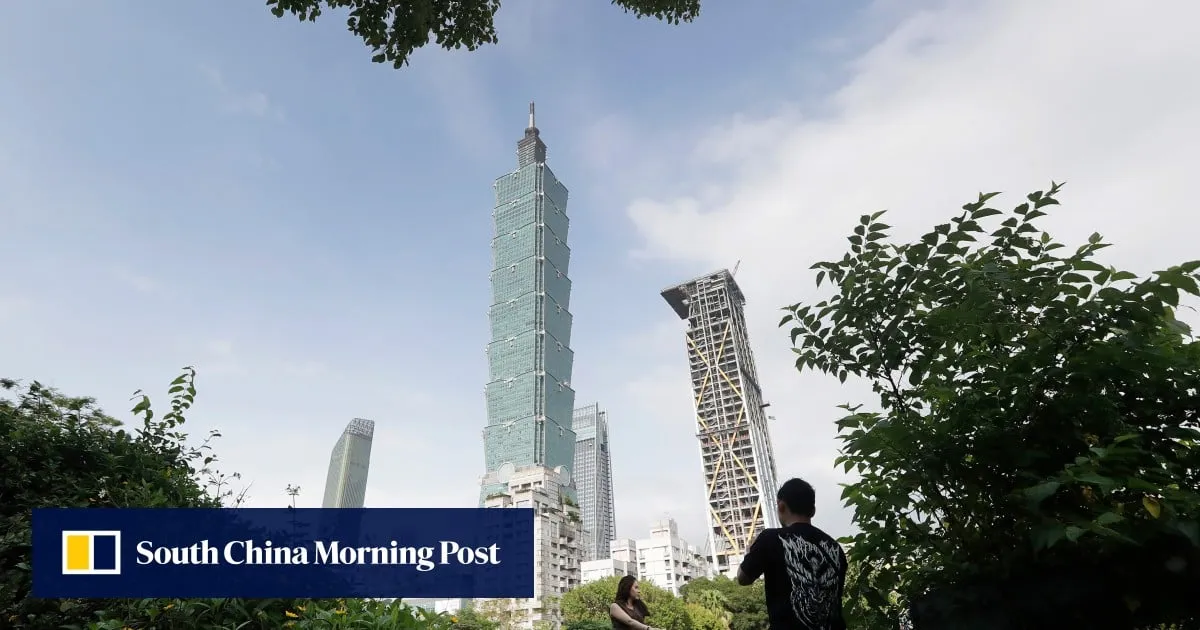
In the US State Department’s catalogue of priorities for the next five years, Taiwan rates exactly zero mentions.The department’s Agency Strategic Plan does list peace and stability in the Indo-Pacific as a goal but its top focus after national security is the Western Hemisphere.The plan sets out the direction of US foreign policy and foreign assistance between 2026 and 2030 and in doing so, sidesteps the island entirely.It is a contrast to the White House’s National Security Strategy (NSS) released a month earlier, which said that deterring a conflict over Taiwan, ideally by preserving military overmatch, was a priority for the administration.Observers said that the decision reflected Washington’s sense of insecurity on Taiwan and the downgrading of the island and the broader region in its priority list.Like the NSS, the State Department’s plan put the Western Hemisphere at the top of its concerns.
SRCSouth China Morning Post
LANGEN
LEANCenter-Right
WORDS143
ENT8
SAT · 2026-01-24 · 14:00 GMTBRIEF NSR-2026-0124-10259
NSR-2026-0124-10259Analysis·EN·Political Strategy
What about Taiwan? Why US foreign policy is now all about the western hemisphere
The US State Department's strategic plan for 2026-2030 prioritizes the Western Hemisphere over the Indo-Pacific region, notably omitting any specific mention of Taiwan. This contrasts with the White House's National Security Strategy, which identifies deterring conflict over Taiwan as a key priority.
Seong Hyeon ChoiSouth China Morning PostFiled 2026-01-24 · 14:00 GMTLean · Center-RightRead · 1 min
South China Morning PostFIG 01
Reading time
1min
Word count
143words
Sources cited
1cited
Entities identified
8entities
Quality score
100%
§ 01
Briefing Summary
AI-generatedNEWSAR · AI
The US State Department's strategic plan for 2026-2030 prioritizes the Western Hemisphere over the Indo-Pacific region, notably omitting any specific mention of Taiwan. This contrasts with the White House's National Security Strategy, which identifies deterring conflict over Taiwan as a key priority. While the State Department plan lists peace and stability in the Indo-Pacific as a goal, its primary focus, after national security, is on the Western Hemisphere. This shift in focus within the State Department's long-term planning has raised concerns among observers regarding Washington's perceived insecurity concerning Taiwan and a potential downgrading of the island's importance in US foreign policy. Both the National Security Strategy and the State Department's plan emphasize the importance of the Western Hemisphere.
Confidence 0.85Sources 1Claims 4Entities 8
§ 02
Article analysis
Model · rule-basedFraming
Political Strategy
National Security
Tone
Measured
AI-assessed
CalmNeutralAlarmist
Factuality
0.70 / 1.00
Factual
LowHigh
Sources cited
1
Limited
FewMany
§ 03
Key claims
4 extracted01
The White House’s National Security Strategy (NSS) considers deterring a conflict over Taiwan a priority.
factualnull
Confidence
1.00
02
The State Department's plan prioritizes the western hemisphere after national security.
factualnull
Confidence
1.00
03
The US State Department's Agency Strategic Plan does not mention Taiwan as a priority for the next five years.
factualnull
Confidence
1.00
04
Observers said that the decision reflected Washington’s sense of insecurity on Taiwan.
quoteObservers
Confidence
0.80
§ 04
Full report
1 min read · 143 words§ 05
Entities
8 identifiedKey playerOppositionContextPositiveNeutralNegative
§ 06
Keywords & salience
9 termsus foreign policy
0.90
taiwan
0.80
western hemisphere
0.80
state department
0.70
national security
0.60
agency strategic plan
0.50
national security strategy
0.50
indo-pacific
0.50
military overmatch
0.40
§ 07
Topic connections
Interactive graph Network visualization showing 51 related topics
View Full Graph Person Organization Location Event|Click node to navigate|Edge numbers = shared articles