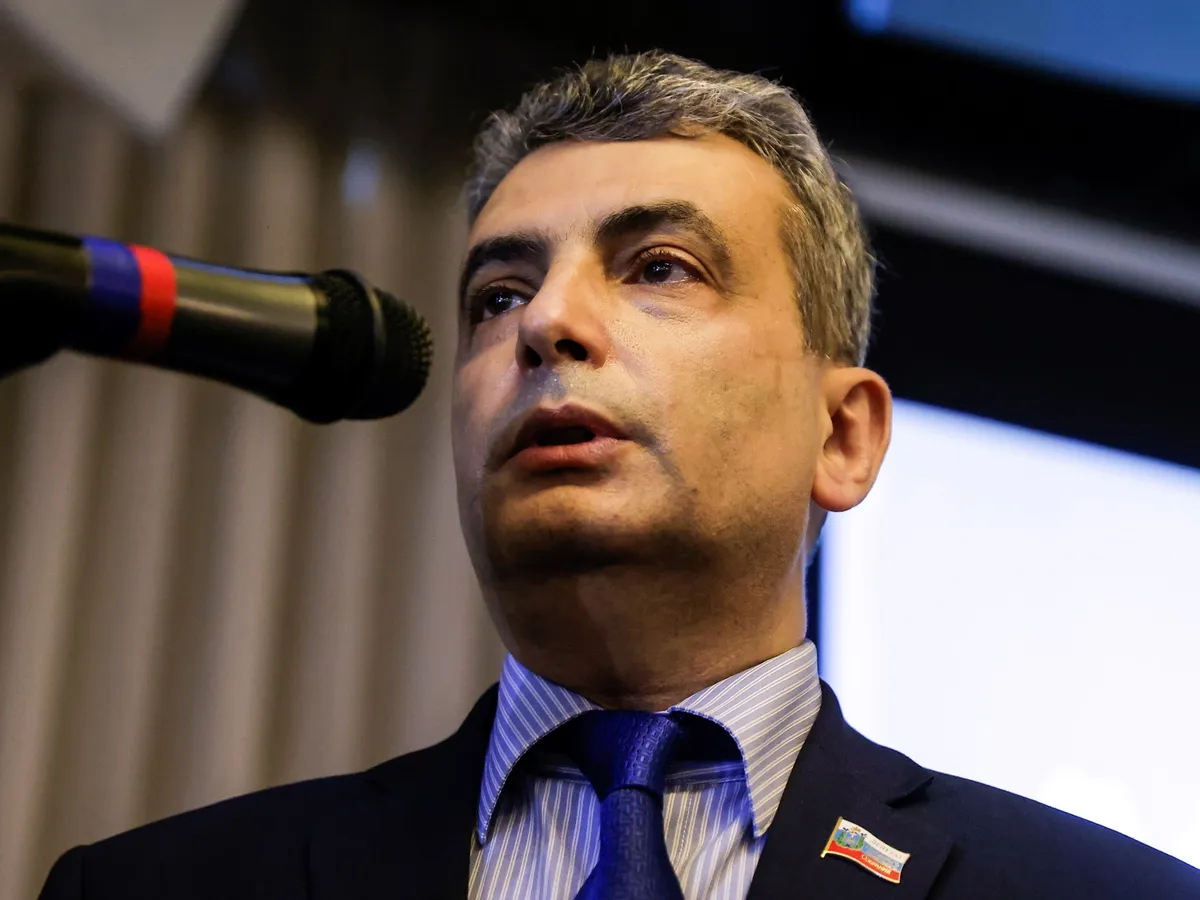
Supreme Court ruling supports Kremlin’s clampdown ahead of September’s parliamentary vote.Russia’s top court has rejected an appeal by the anti-war Yabloko party against a recent ruling banning it from taking part in upcoming elections, while another court jailed its deputy leader for 11 years.The opposition party confirmed on Monday that its appeal had failed. Opposition activists said the ban is evidence of the increasing erosion of Russia’s democracy and an attempt to silence opposition to the war in Ukraine.Recommended Stories list of 2 itemslist 1 of 2Russia-Ukraine war: List of key events, day 1,317list 2 of 2Russia bars only party opposing war in Ukraine from parliamentary voteend of listThe Supreme Court handed down the ban last week, removing the only registered political party calling for an end to the Russia-Ukraine-war" class="entity-link entity-event" data-entity-id="1200" data-entity-type="event">Russia-Ukraine war from the ballot in September’s parliamentary vote.“The Appeals Chamber of the Supreme Court upheld the court’s decision to revoke the registration of Yabloko’s federal list of candidates for the State Duma elections,” the party said in a statement on Monday, adding that it would seek a supervisory review.The case against Yabloko was filed by Rodina, a small pro-Kremlin nationalist party, which accused Yabloko of being backed by Western countries and seeking to undermine both the election process and Russia itself.Yabloko rejected the accusations, saying the party represented the views of millions of Russians and the ban effectively stripped away the only option for people opposed to the Ukraine war.Deputy leader jailedOn the same day as the party lost its appeal, another court sentenced Yabloko’s deputy leader Lev Shlosberg to 11 years and one month in a penal colony for his opposition to the war in Ukraine.Shlosberg was found guilty of harming the reputation of Russia’s armed forces and lying about them.
SRCAl Jazeera
LANGEN
LEANCenter
WORDS292
ENT10
MON · 2026-08-17 · 18:46 GMTBRIEF NSR-2026-0817-103190
NSR-2026-0817-103190News Report·EN·Political Strategy
Russia maintains election ban on opposition Yabloko, jails deputy head
Russia's Supreme Court has upheld a ruling banning the opposition Yabloko party from participating in the upcoming September parliamentary elections. This decision, confirmed by the party on Monday, means Yabloko, the only registered party opposing the war in Ukraine, will not be on the ballot.
Al Jazeera StaffAl JazeeraFiled 2026-08-17 · 18:46 GMTLean · CenterRead · 2 min
Al JazeeraFIG 01
Reading time
2min
Word count
292words
Sources cited
3cited
Entities identified
10entities
Quality score
100%
§ 01
Briefing Summary
AI-generatedNEWSAR · AI
Russia's Supreme Court has upheld a ruling banning the opposition Yabloko party from participating in the upcoming September parliamentary elections. This decision, confirmed by the party on Monday, means Yabloko, the only registered party opposing the war in Ukraine, will not be on the ballot. The ban was initiated by the pro-Kremlin Rodina party, which accused Yabloko of Western backing and undermining Russia. Concurrently, Yabloko's deputy leader, Lev Shlosberg, was sentenced to over 11 years in prison for allegedly harming the reputation of Russia's armed forces and lying about them, stemming from his opposition to the war. The party stated it would seek a further review of the election ban.
Confidence 0.90Sources 3Claims 5Entities 10
§ 02
Article analysis
Model · rule-basedFraming
Political Strategy
Legal & Judicial
Tone
Mixed Tone
AI-assessed
CalmNeutralAlarmist
Factuality
0.70 / 1.00
Factual
LowHigh
Sources cited
3
Well sourced
FewMany
§ 03
Key claims
5 extracted01
Yabloko's deputy leader, Lev Shlosberg, was sentenced to 11 years and one month in prison for opposing the war in Ukraine.
factualcourt
Confidence
1.00
02
Russia's Supreme Court rejected an appeal by the opposition Yabloko party against a ruling banning it from upcoming elections.
factualYabloko party
Confidence
1.00
03
The case against Yabloko was filed by Rodina, a pro-Kremlin nationalist party, accusing Yabloko of Western backing and undermining Russia.
factualarticle
Confidence
0.90
04
Yabloko is the only registered political party calling for an end to the Russia-Ukraine war.
factualarticle
Confidence
0.90
05
Opposition activists view the ban as evidence of the erosion of Russia's democracy and an attempt to silence opposition to the war in Ukraine.
quoteOpposition activists
Confidence
0.80
§ 04
Full report
2 min read · 292 words§ 05
Entities
10 identifiedKey playerOppositionContextPositiveNeutralNegative
Organizations4
Topics1
§ 06
Keywords & salience
9 termsopposition party
1.00
election ban
1.00
russia-ukraine war
0.90
parliamentary vote
0.80
supreme court
0.70
democracy erosion
0.60
yabloko
0.50
political repression
0.50
deputy leader jailed
0.40
§ 07
Topic connections
Interactive graph Network visualization showing 13 related topics
View Full Graph Person Organization Location Event|Click node to navigate|Edge numbers = shared articles