5-MIN READ5-MIN0ListenPublished: 10:00am, 18 Aug 2026As the United States, Russia and China race to turn a melting Arctic into the world’s next major Economic gateway, their strategic ambitions face a hidden threat: Thawing permafrost.Since returning to office last year, US President Donald Trump has pushed to expand America’s Arctic footprint. This includes investing in icebreakers to counter Russian and Chinese shipping ambitions, unlocking natural resources in Alaska and renewing efforts to buy or annex Greenland.Yet, as the three powers vie for control of Arctic sea lanes and minerals, rapidly Thawing permafrost in Russia’s Siberia could derail their plans. According to a new international study led by Chinese scientists, the massive cost of collapsing ground threatens to overshadow the region’s economic potential.04:56What are Trump’s motivations for wanting the US to take over Greenland?Warming in the Arctic is occurring almost four times faster than the global average. This phenomenon, known as Arctic amplification, has triggered a rapid thaw of the permafrost that covers most of the region.
SRCSouth China Morning Post
LANGEN
LEANCenter-Right
WORDS165
ENT10
TUE · 2026-08-18 · 02:00 GMTBRIEF NSR-2026-0818-103273
NSR-2026-0818-103273News Report·EN·Political Strategy
Why Siberia’s warming landscape could shatter Trump’s Arctic ambitions
Major global powers, including the United States, Russia, and China, are vying to capitalize on a melting Arctic for economic gain. US President Donald Trump has sought to increase America's Arctic presence through investments in icebreakers, resource development in Alaska, and renewed interest in Greenland.
Victoria BelaSouth China Morning PostFiled 2026-08-18 · 02:00 GMTLean · Center-RightRead · 1 min
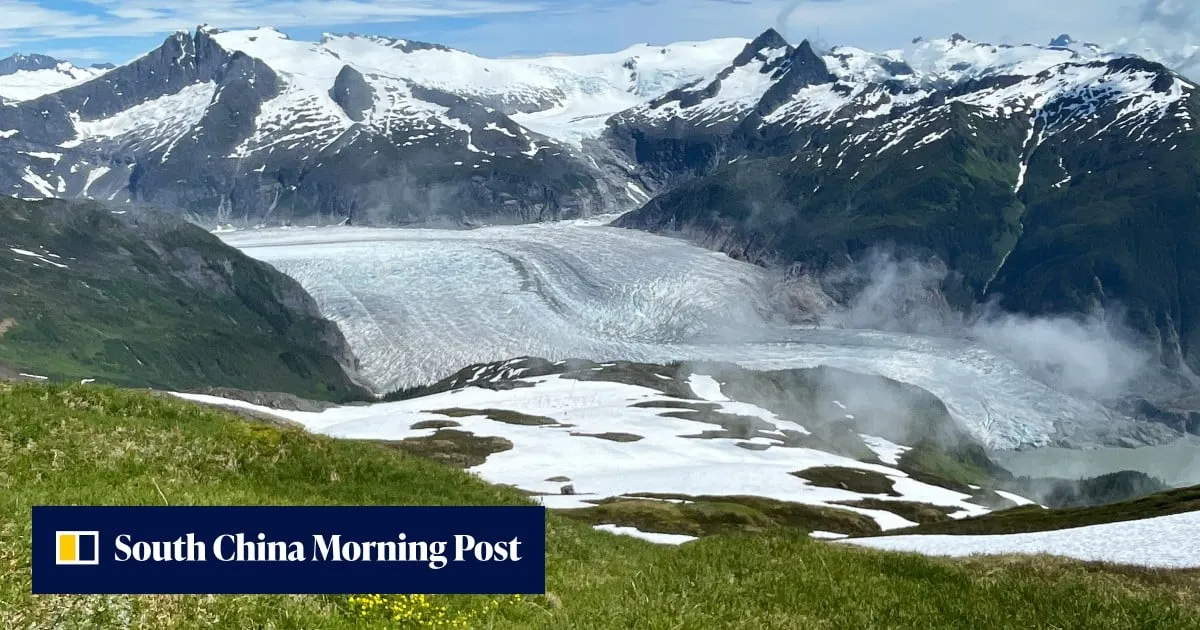
South China Morning PostFIG 01
Reading time
1min
Word count
165words
Sources cited
1cited
Entities identified
10entities
Quality score
100%
§ 01
Briefing Summary
AI-generatedNEWSAR · AI
Major global powers, including the United States, Russia, and China, are vying to capitalize on a melting Arctic for economic gain. US President Donald Trump has sought to increase America's Arctic presence through investments in icebreakers, resource development in Alaska, and renewed interest in Greenland. However, a significant threat to these ambitions is the rapidly thawing permafrost in Siberia. A new international study, led by Chinese scientists, indicates that the substantial costs associated with ground collapse due to permafrost thaw could outweigh the region's economic potential, potentially derailing the strategic plans of these nations. The Arctic is warming at a rate nearly four times faster than the global average, accelerating this permafrost thaw.
Confidence 0.90Sources 1Claims 4Entities 10
§ 02
Article analysis
Model · rule-basedFraming
Political Strategy
Economic Impact
Tone
Mixed Tone
AI-assessed
CalmNeutralAlarmist
Factuality
0.70 / 1.00
Factual
LowHigh
Sources cited
1
Limited
FewMany
§ 03
Key claims
4 extracted01
Warming in the Arctic is occurring almost four times faster than the global average.
statisticarticle
Confidence
0.90
02
US President Donald Trump has pushed to expand America’s Arctic footprint since returning to office.
factualarticle
Confidence
0.90
03
A new international study led by Chinese scientists indicates the cost of collapsing ground threatens to overshadow the region’s economic potential.
quoteChinese scientists
Confidence
0.80
04
Rapidly thawing permafrost in Russia’s Siberia could derail US, Russian, and Chinese plans in the Arctic.
predictionarticle
Confidence
0.70
§ 04
Full report
1 min read · 165 words§ 05
Entities
10 identifiedKey playerOppositionContextPositiveNeutralNegative
Locations6
§ 06
Keywords & salience
10 termsthawing permafrost
1.00
arctic warming
1.00
siberia
0.90
arctic ambitions
0.80
economic gateway
0.70
arctic amplification
0.60
strategic ambitions
0.50
donald trump
0.40
russia
0.40
china
0.40
§ 07
Topic connections
Interactive graph Network visualization showing 23 related topics
View Full Graph Person Organization Location Event|Click node to navigate|Edge numbers = shared articles