People are increasingly seeking to an obtain an ADHD diagnosis without pursuing treatment, according to experts who have called for more research to understand why.Some people now regard ADHD as “an identity, rather than a disorder”, with the result that many obtain assessments from poor quality private providers, which lead them to “believe they have a condition needing treatment”, said the psychiatrist Dr Marios Adamou, the founder of the UK Adult ADHD Network.This has resulted in a growth in complaints against NHS doctors when they are forced to reject low quality assessments, he added.Adamou had seen recent figures showing that 50% of child patients did not pursue treatment after diagnosis, and observed a similar trend among adult patients in his clinic.Some patients seek low, non-therapeutic doses of medication instead. “A lot of people would benefit from having amphetamines. You feel better, you can focus better, you can do more. But there hasn’t been a debate that this country should be cognitively augmented to increase productivity with stimulants,” he said.“Why do people feel they can identify with these conditions? They are manifestations of a societal problem.”Adamou was speaking ahead of a new Channel 4 documentary airing on 18 August titled The Great ADHD Myth?. It is presented by the NHS psychiatrist Dr Max Pemberton, who concludes that ADHD is a “social construct” rather than a medical condition, and that schools should adapt to better support a wider range of children rather than medicating them into fitting into a restrictive norm.A mother and son, Shauna and Mason, who feature in The Great ADHD Myth? documentary. Photograph: Minnow ProductionsAdamou said that ADHD was both a social construct and a brain disorder. Brain differences are well established through research, and the diagnostic criteria has undergone “a lot of scientific scrutiny and validation”, he said, but added that in recent years “the ADHD concept has been expanded so much, it’s risking becoming meaningless … it’s socially constructed now, it’s something different than what it actually is.”He said this phenomenon was fuelled by “challenges with the quality and the regulation of the [ADHD services] market”.“Most of the assessment in the UK is now provided by the private sector,” he said. “I don’t think there’s any other medical condition where the private sector provides as much care … When you have private providers providing the majority of care in a market system with a diagnosis that is commoditised, and attracts stimulants, you may have issues.”Despite this, he stressed that there was thought to be underdiagnosis of ADHD. Poor quality diagnoses have created “a double stigma” for many people with the condition. “Not only do you have stigma because you have ADHD, but also there’s stigma about whether you have real ADHD,” he said.Prof Dinesh Bhugra, the former head of the Royal College of Psychiatrists who features in the documentary, agreed that “there has certainly been a splurge of diagnosis, and we don’t know why that is”.He said: “The question is why now, and why this? What is it providing? My fear is we medicalise normal human responses because it gives us the power as clinicians and it gives people the label which allows them to either feel they’ve got certain privileges or it gives them certain cachet in society.”In the documentary, he shares his concerns about the growing role of profiteering private companies supplying services that the NHS is under too much strain to provide. ADHD assessment was “an easy way to make money” for private companies, he said, adding: “Their responsibility is to the shareholders, not the general public.”Bhugra feared that the UK’s current approach was an American import, where the DSM [Diagnostic and Statistical Manual of Mental Disorders]’s checklist-style approach to assessment reflected the demands of insurance companies, and a culture of “health is a commodity and you can buy it and sell it”.He agreed with the documentary’s message that services should be reformed to take a more holistic approach, bringing together the social, biological and psychological facts of ADHD rather than emphasising medical intervention.Jessica Lister, a clinical director and consultant nurse at the private provider Care ADHD, feared that the documentary’s message could be harmful. “Dismissing ADHD as a social construct doesn’t just trivialise an established clinical condition – it perpetuates the inequalities faced by people with ADHD across education, health, employment and the justice system,” she said.“The question here isn’t whether ADHD is a real medical problem – it’s whether systems respond early enough, consistently enough and fairly enough to prevent avoidable harm … The real problems are long waits, inequitable access, inconsistent quality and too little joined-up support across health, education, care and employment.”Mark Pattison, the chief executive of Care ADHD, said that it was important to differentiate between private providers, adding that his organisation’s clinical governance was as strong as the NHS ADHD and mental health services he had run for 15 years. “Profit should never come before clinical quality. But efficiency isn’t the enemy of it either,” he said.He added: “Standards need to apply to everyone, not just us. Some NHS trusts have children waiting two, five, even 10 years for an assessment. That’s not safe care, whoever provides it. Some private providers fall short too.”The Great ADHD Myth? is available to watch and stream on Channel 4 at 8pm, Tuesday 18 August.
SRCThe Guardian - World News
LANGEN
LEANCenter-Left
WORDS883
ENT11
TUE · 2026-08-18 · 05:00 GMTBRIEF NSR-2026-0818-103292
NSR-2026-0818-103292News Report·EN·Public Health
Rising number of people seeking ADHD diagnosis without treatment, say experts
Experts are observing a rise in individuals seeking ADHD diagnoses without pursuing treatment, prompting calls for further research. Psychiatrists suggest that some people now view ADHD as an identity rather than a disorder, often obtaining assessments from low-quality private providers.
Rachel HallThe Guardian - World NewsFiled 2026-08-18 · 05:00 GMTLean · Center-LeftRead · 4 min
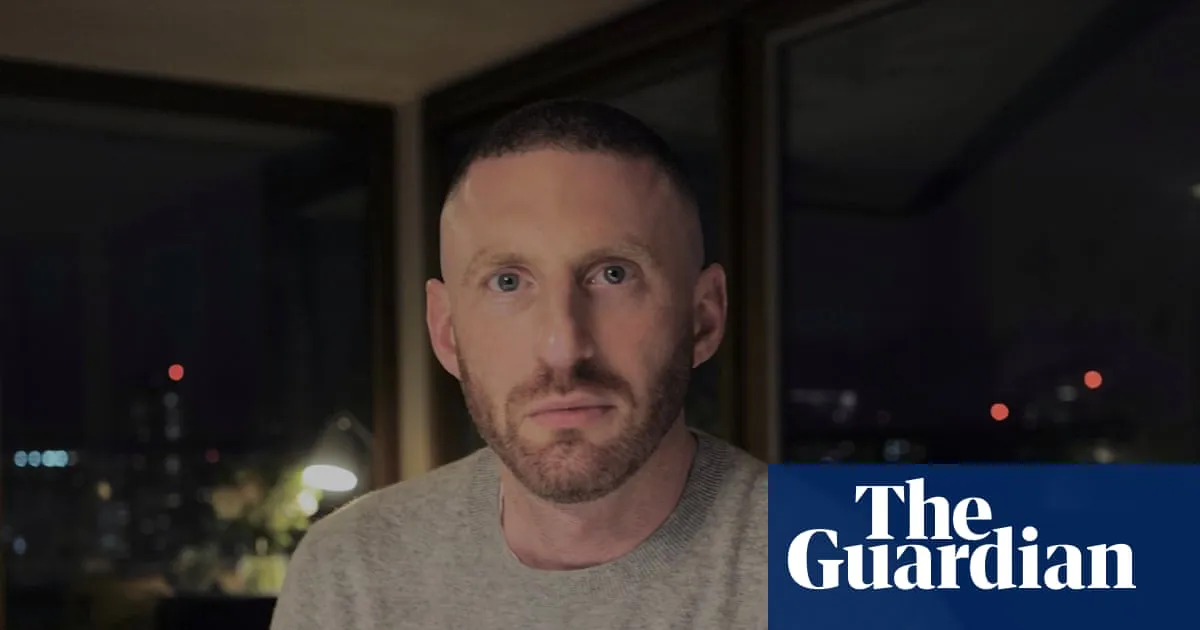
The Guardian - World NewsFIG 01
Reading time
4min
Word count
883words
Sources cited
3cited
Entities identified
11entities
Quality score
100%
§ 01
Briefing Summary
AI-generatedNEWSAR · AI
Experts are observing a rise in individuals seeking ADHD diagnoses without pursuing treatment, prompting calls for further research. Psychiatrists suggest that some people now view ADHD as an identity rather than a disorder, often obtaining assessments from low-quality private providers. This trend has led to an increase in complaints against NHS doctors who reject these assessments, with figures indicating a significant percentage of diagnosed patients do not proceed with treatment. Some experts argue that ADHD is partly a social construct, influenced by the commodification of diagnosis within the private sector, while others emphasize its biological basis. Concerns are also raised about the potential for medicalizing normal human responses and the profiteering of private companies.
Confidence 0.90Sources 3Claims 5Entities 11
§ 02
Article analysis
Model · rule-basedFraming
Public Health
Social Justice
Tone
Mixed Tone
AI-assessed
CalmNeutralAlarmist
Factuality
0.60 / 1.00
Mixed
LowHigh
Sources cited
3
Well sourced
FewMany
§ 03
Key claims
5 extracted01
Some people now regard ADHD as an identity rather than a disorder.
quoteDr Marios Adamou
Confidence
0.95
02
Most ADHD assessment in the UK is now provided by the private sector.
factualDr Marios Adamou
Confidence
0.90
03
ADHD is a social construct rather than a medical condition.
quoteDr Max Pemberton
Confidence
0.90
04
People are increasingly seeking ADHD diagnoses without pursuing treatment.
factualexperts
Confidence
0.90
05
50% of child patients did not pursue treatment after diagnosis.
statisticDr Marios Adamou
Confidence
0.85
§ 04
Full report
4 min read · 883 words§ 05
Entities
11 identifiedKey playerOppositionContextPositiveNeutralNegative
People3
Organizations4
§ 06
Keywords & salience
8 termsadhd diagnosis
1.00
adhd treatment
0.90
social construct
0.80
private providers
0.70
uk adult adhd network
0.60
cognitive augmentation
0.50
productivity
0.40
the great adhd myth?
0.40
§ 07
Topic connections
Interactive graph Network visualization showing 7 related topics
View Full Graph Person Organization Location Event|Click node to navigate|Edge numbers = shared articles