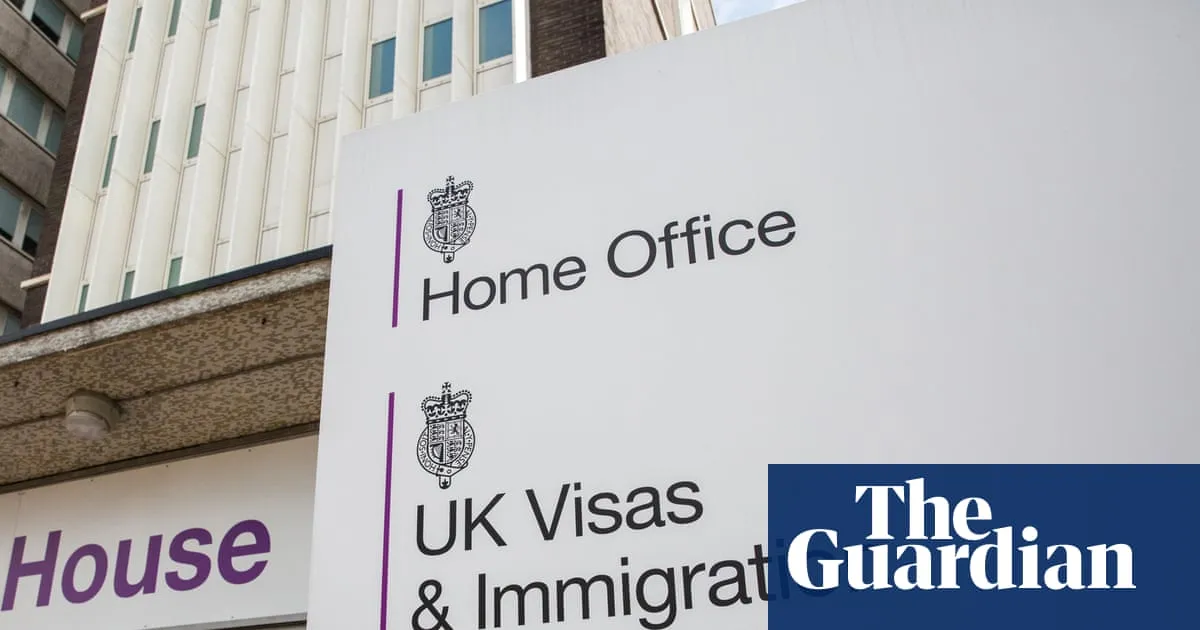
The UK’s new digital-only immigration system is creating stress, fear and exclusion for immigrants who rely on their status, a new report has found.The digitalisation of immigration status began in 2018 and in the middle of this year the government set out that nearly all migrants entering or legally residing in the UK would have to obtain an eVisa to prove their rights. This would make them the first migrants to experience a mandatory digital-only identification system.But, according to the study by Migrant Voice and the University of Warwick, the new system has caused people to experience high levels of stress while trying to digitalise their immigration status within tight deadlines. The researchers spoke with 40 migrants, many of whom said they feared not being able to prove their legal status digitally and losing their rights if something went wrong in the digital portal.One said: “I don’t trust the system, especially because of what Windrush showed us that trusting the government for migration archives is not very trustful. There were already situations of Europeans applying that were completely vanished from the system ... If it happens to one, why not them, not me.”People said they faced errors, shifting deadlines, and technical failures that affected their ability to work, travel, rent, study, and access public services. Many reported feeling vulnerable and anxious when attempting to correct mistakes they did not cause.Employers, landlords, airline staff, and border officials often lacked understanding of digital immigration checks, leading to delays and confusion. Some people reported being asked to explain the system themselves.Many participants complained about the overly complex processes, language barriers, technical glitches, and problems with generating a “share code” which is needed to prove their right to work or rent a home. Even when trying to retrieve clear instructions from the Home Office via email or helpline, many were left unsure of what to do.Migrants with limited digital literacy, language barriers and disabilities are at high risk of becoming excluded from the process, the study said. Those who were able to understand English felt it was unfair that the system wasn’t translated into other languages. Instead they relied on friends, community organisations and migrant-led online platforms to understand the set up.Dr Derya Ozkul from the University of Warwick said: “In our research, we heard from individuals losing employment opportunities, missing flights, having their personal information shared with others, struggling to complete processes due to technical issues, and worrying that they had lost their legal status.“This report should serve as a warning to everyone about what can go wrong when systems are made compulsory and digital-only, without offering any alternatives.”
SRCThe Guardian - World News
LANGEN
LEANCenter-Left
WORDS436
ENT2
FRI · 2025-12-05 · 00:01 GMTBRIEF NSR-2025-1205-1036
NSR-2025-1205-1036News Report·EN·Human Rights
UK’s new digital-only immigration system creating exclusion and fear, study finds
A recent study by Migrant Voice and the University of Warwick found that the UK's new digital-only immigration system, implemented since 2018 and expanding to mandatory eVisas, is causing stress and exclusion for immigrants. The system, intended to streamline immigration status verification, has been plagued by errors, technical failures, and shifting deadlines.
Serena RichardsThe Guardian - World NewsFiled 2025-12-05 · 00:01 GMTLean · Center-LeftRead · 2 min
The Guardian - World NewsFIG 01
Reading time
2min
Word count
436words
Sources cited
2cited
Entities identified
2entities
Quality score
100%
§ 01
Briefing Summary
AI-generatedNEWSAR · AI
A recent study by Migrant Voice and the University of Warwick found that the UK's new digital-only immigration system, implemented since 2018 and expanding to mandatory eVisas, is causing stress and exclusion for immigrants. The system, intended to streamline immigration status verification, has been plagued by errors, technical failures, and shifting deadlines. Migrants reported difficulty proving their legal status, leading to problems with employment, housing, travel, and accessing public services. Many participants also complained about complex processes, language barriers, and difficulties generating share codes needed to prove their right to work or rent. The study highlights that migrants with limited digital literacy, language skills, and disabilities are particularly vulnerable to exclusion from the system.
Confidence 0.90Sources 2Claims 5Entities 2
§ 02
Article analysis
Model · rule-basedFraming
Human Rights
Technology
Tone
Mixed Tone
AI-assessed
CalmNeutralAlarmist
Factuality
0.70 / 1.00
Factual
LowHigh
Sources cited
2
Limited
FewMany
§ 03
Key claims
5 extracted01
This report should serve as a warning about what can go wrong when systems are made compulsory and digital-only.
quoteDr Derya Ozkul from the University of Warwick
Confidence
1.00
02
Nearly all migrants entering or legally residing in the UK would have to obtain an eVisa.
factualgovernment
Confidence
1.00
03
Migrants with limited digital literacy, language barriers and disabilities are at high risk of becoming excluded from the process.
factualthe study
Confidence
0.90
04
The UK’s new digital-only immigration system is creating stress, fear and exclusion for immigrants.
factualMigrant Voice and the University of Warwick study
Confidence
0.80
05
People faced errors, shifting deadlines, and technical failures affecting their ability to work, travel, rent, study, and access public services.
factualparticipants in the study
Confidence
0.70
§ 04
Full report
2 min read · 436 words§ 05
Entities
2 identifiedKey playerOppositionContextPositiveNeutralNegative
Organizations1
Locations1
§ 06
Keywords & salience
9 termsdigital immigration system
1.00
immigration status
0.80
digital exclusion
0.70
evisa
0.60
migrants
0.60
technical failures
0.50
language barriers
0.50
windrush
0.40
home office
0.40
§ 07
Topic connections
Interactive graph No topic relationship data available yet. This graph will appear once topic relationships have been computed.