The shooting came at a time when gangs had a hold over the '90s hip-hop scene, street code forbade police cooperation and distrust of authorities was rampant in the wake of the high-profile police brutality case of Rodney King and the subsequent LA riots.Shakur himself, in an ambulance after he was shot, refused to talk to a police officer about what happened, instead telling him, "we'll take care of it". He died in hospital six days later.And now 30 years on, McDonald appeared conflicted over breaking that street code. The witness, who said he had little love for Davis, remained hesitant when he took the stand on Tuesday to recount what happened. McDonald - a former member of rival Blood street gang offshoot Mob Piru and enforcer at Suge Knight's Death Row Records label, which represented Shakur - testified that he was not with Shakur when the shooting took place.He was repeatedly questioned by Davis's defence attorney Michael Sanft about whether he witnessed the attack and whether he knew who was there at the time. Under oath, McDonald raised his voice and arms, saying he didn't want to answer many of these questions because it "wouldn't be good" for the defendant. McDonald looked over at Davis at one point, saying, "talk to your lawyer man, this dude is tripping". "I don't want to send him to prison, even though we don't like each other. I don't want to send you to prison," he said looking at Davis, who sat in a suit, stone faced.
SRCBBC News - World
LANGEN
LEANCenter
WORDS254
ENT10
WED · 2026-08-19 · 03:00 GMTBRIEF NSR-2026-0819-103646
NSR-2026-0819-103646News Report·EN·Legal & Judicial
Witness gets combative in Tupac murder trial - 'I don't want to send him to prison'
In the ongoing trial for Tupac Shakur's murder, a key witness, identified as McDonald, became combative on the stand. McDonald, a former associate of Shakur's label, refused to answer questions that he believed would incriminate the defendant, Duane "Keffe D" Davis.
60 minutes agoBBC News - WorldFiled 2026-08-19 · 03:00 GMTLean · CenterRead · 2 min
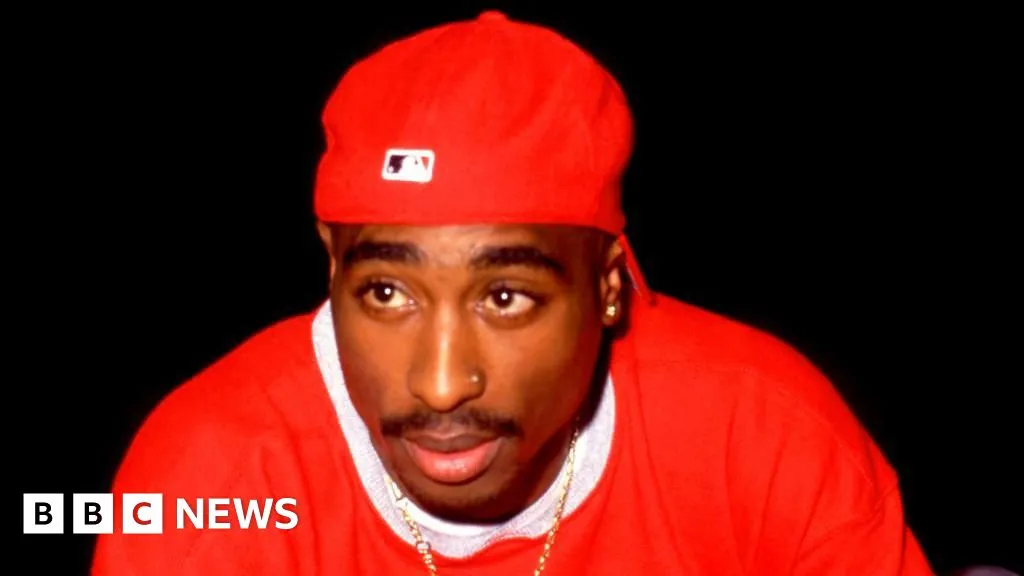
BBC News - WorldFIG 01
Reading time
2min
Word count
254words
Sources cited
2cited
Entities identified
10entities
Quality score
100%
§ 01
Briefing Summary
AI-generatedNEWSAR · AI
In the ongoing trial for Tupac Shakur's murder, a key witness, identified as McDonald, became combative on the stand. McDonald, a former associate of Shakur's label, refused to answer questions that he believed would incriminate the defendant, Duane "Keffe D" Davis. Despite admitting to disliking Davis, McDonald stated under oath that he did not want to send him to prison. The witness's reluctance reflects the historical context of street codes and distrust of authorities prevalent in the 1990s hip-hop scene, a sentiment echoed by Shakur himself who refused to cooperate with police after being shot. McDonald's testimony was repeatedly challenged by the defense attorney regarding his knowledge of the shooting.
Confidence 0.90Sources 2Claims 4Entities 10
§ 02
Article analysis
Model · rule-basedFraming
Legal & Judicial
Human Interest
Tone
Mixed Tone
AI-assessed
CalmNeutralAlarmist
Factuality
0.70 / 1.00
Factual
LowHigh
Sources cited
2
Limited
FewMany
§ 03
Key claims
4 extracted01
McDonald, a former member of Mob Piru and enforcer at Death Row Records, testified he was not with Shakur when the shooting took place.
factualMcDonald
Confidence
1.00
02
The witness, McDonald, appeared conflicted over breaking street code and expressed reluctance to send the defendant to prison.
quoteMcDonald
Confidence
1.00
03
Tupac Shakur refused to talk to a police officer about his shooting, stating 'we'll take care of it'.
factualArticle (referencing past event)
Confidence
0.90
04
The '90s hip-hop scene was influenced by gangs, street code forbade police cooperation, and distrust of authorities was rampant.
factualArticle
Confidence
0.80
§ 04
Full report
2 min read · 254 words§ 05
Entities
10 identifiedKey playerOppositionContextPositiveNeutralNegative
People4
Organizations3
Events1
§ 06
Keywords & salience
10 termstupac murder trial
1.00
street code
0.90
gangs
0.80
hip-hop scene
0.70
witness testimony
0.70
police brutality
0.60
death row records
0.50
la riots
0.50
rival blood street gang
0.40
rodney king
0.40
§ 07
Topic connections
Interactive graph No topic relationship data available yet. This graph will appear once topic relationships have been computed.