An otter has been spotted in the Bronx River for the first time in more than 100 years, in a further sign that New York’s previously befouled waterways are recovering some of their ecological health.The North American river otter was photographed by a motion-activated camera foraging near some vegetation in the Bronx River, a waterway that flows through New York’s Bronx and empties into the East River.The image, captured in June by the camera of RJ Hawkins, a scientist affiliated with the Wildlife Conservation Society’s Bronx zoo, is the first documented sighting of a river otter in the river since the early 1900s, according to the society.“When I first reviewed the images, I could hardly believe what I was seeing,” said Hawkins. “Knowing this may be the first documented river otter in the Bronx in generations was an incredible moment. It shows why long-term wildlife monitoring and environmental restoration efforts matter.”River otters are found across North America and were once plentiful in New York’s rivers but vanished due to rampant water pollution, habitat loss and trapping for their fur.The Bronx River, in particular, was treated as an open sewer and a dumping ground for New York’s rapidly expanding industrial base as the city grew into an economic powerhouse in the 19th and 20th centuries.Factories and slaughterhouses dumped chemicals, oil and animal blood directly into the water, with untreated sewage also seeping into the waterway. The river faced the further indignity of becoming a sort of garbage tip, as people threw old tires, appliances and other unwanted materials into it.This decimated local wildlife, but concerted conservation efforts and laws such as the Clean Water Act have in recent years helped restore the Bronx River’s fortunes, to the point that species such as oysters have returned.In 2007, beavers returned to the river for the first time in more than 200 years, the zoo said, and the appearance of a river otter suggests the waterway, which is New York City’s only freshwater river, is continuing to recover from decades of pollution.While the sighting of a single otter doesn’t confirm a larger resident population, it is encouraging as river otters require clean water and abundant fish.Measuring up to 5ft in length and sporting a muscular tail that comprises 40% of their body, river otters are considered playful creatures and adept hunters. When frightened, they can emit a scream that can be heard 1.5 miles away.“There are moments in conservation that remind us why this work matters, and this is one of them,” said Craig Piper, director of Bronx zoo.“Thanks to a broad coalition of public and private partners, we can celebrate the return of an otter as a result of decades of restoration work to provide cleaner water and healthier habitat. It’s a win for both wildlife and people.”
SRCThe Guardian - World News
LANGEN
LEANCenter-Left
WORDS465
ENT10
WED · 2026-08-19 · 17:27 GMTBRIEF NSR-2026-0819-103910
NSR-2026-0819-103910News Report·EN·Environmental
Otter spotted for first time in 100 years in New York City’s Bronx River
A North American river otter was photographed foraging in New York City's Bronx River in early June, marking the first documented sighting of the species in the waterway in over 100 years. The image, captured by a motion-activated camera belonging to RJ Hawkins, a scientist affiliated with the Wildlife Conservation Society's Bronx Zoo, indicates a recovery of the river's ecological health.
Oliver MilmanThe Guardian - World NewsFiled 2026-08-19 · 17:27 GMTLean · Center-LeftRead · 2 min
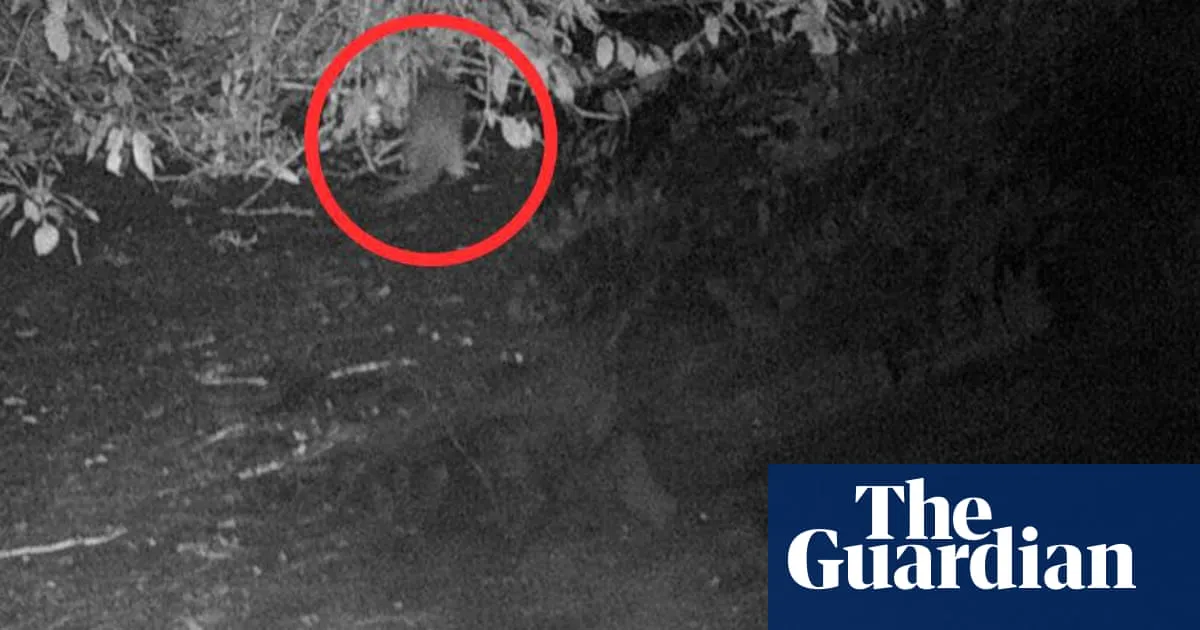
The Guardian - World NewsFIG 01
Reading time
2min
Word count
465words
Sources cited
3cited
Entities identified
10entities
Quality score
100%
§ 01
Briefing Summary
AI-generatedNEWSAR · AI
A North American river otter was photographed foraging in New York City's Bronx River in early June, marking the first documented sighting of the species in the waterway in over 100 years. The image, captured by a motion-activated camera belonging to RJ Hawkins, a scientist affiliated with the Wildlife Conservation Society's Bronx Zoo, indicates a recovery of the river's ecological health. Historically, the Bronx River suffered severe pollution from industrial waste and sewage, leading to the disappearance of wildlife like river otters. However, conservation efforts and legislation such as the Clean Water Act have contributed to the river's restoration, evidenced by the return of species like oysters and beavers in recent years. The reappearance of an otter, which requires clean water and ample fish, is seen as a positive sign for the waterway's ongoing environmental recovery.
Confidence 0.90Sources 3Claims 5Entities 10
§ 02
Article analysis
Model · rule-basedFraming
Environmental
Human Interest
Tone
Measured
AI-assessed
CalmNeutralAlarmist
Factuality
0.80 / 1.00
Factual
LowHigh
Sources cited
3
Well sourced
FewMany
§ 03
Key claims
5 extracted01
Beavers returned to the river in 2007 for the first time in over 200 years.
factualWildlife Conservation Society's Bronx zoo
Confidence
1.00
02
River otters require clean water and abundant fish.
factual
Confidence
1.00
03
The North American river otter was photographed by a motion-activated camera in June.
factualRJ Hawkins
Confidence
1.00
04
An otter was spotted in the Bronx River for the first time in over 100 years.
factual
Confidence
1.00
05
The sighting is a sign that New York's waterways are recovering ecological health.
factual
Confidence
0.90
§ 04
Full report
2 min read · 465 words§ 05
Entities
10 identifiedKey playerOppositionContextPositiveNeutralNegative
Locations5
§ 06
Keywords & salience
10 termsriver otter
1.00
bronx river
1.00
ecological recovery
0.90
water pollution
0.80
wildlife monitoring
0.70
environmental restoration
0.70
conservation efforts
0.60
clean water act
0.50
habitat loss
0.40
new york city
0.40
§ 07
Topic connections
Interactive graph No topic relationship data available yet. This graph will appear once topic relationships have been computed.