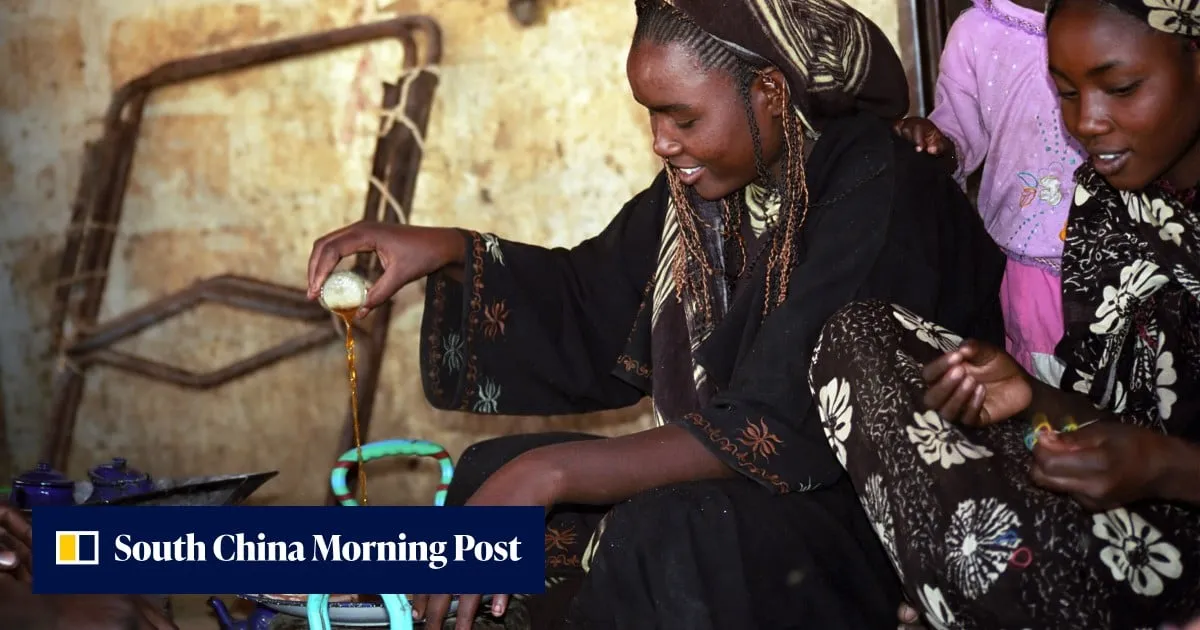
West Africa has embraced Chinese green tea – from government offices in Mauritania to roadside stalls in Senegal, Mali and Niger, it is at the heart of a tradition that brings people together.The ritual – known as ataya, or attaya in some countries – involves preparing and serving strong, sweet green tea in three rounds, giving family, friends and colleagues the time to talk and socialise.Chinese tea dominates several markets where ataya is widely consumed.Farmers harvest tea leaves at a plantation in Hubei province, central China. Photo: XinhuaMore than 90 per cent of Mauritania’s tea imports by value came from China in 2024, accounting for US$65.1 million of its US$66.4 million in tea purchases, according to data from the Observatory of Economic Complexity.
SRCSouth China Morning Post
LANGEN
LEANCenter-Right
WORDS123
ENT11
THU · 2026-08-20 · 04:00 GMTBRIEF NSR-2026-0820-104074
NSR-2026-0820-104074News Report·EN·Human Interest
Chinese green tea is bringing people together in West Africa, 3 cups at a time
Chinese green tea has become integral to a social tradition called ataya (or attaya) across West Africa, including Senegal, Mali, Niger, and Mauritania. This ritual involves preparing and serving strong, sweet green tea in three rounds, fostering conversation and social connection among family, friends, and colleagues.
Jevans NyabiageSouth China Morning PostFiled 2026-08-20 · 04:00 GMTLean · Center-RightRead · 1 min
South China Morning PostFIG 01
Reading time
1min
Word count
123words
Sources cited
1cited
Entities identified
11entities
Quality score
100%
§ 01
Briefing Summary
AI-generatedNEWSAR · AI
Chinese green tea has become integral to a social tradition called ataya (or attaya) across West Africa, including Senegal, Mali, Niger, and Mauritania. This ritual involves preparing and serving strong, sweet green tea in three rounds, fostering conversation and social connection among family, friends, and colleagues. Chinese tea significantly dominates the markets where ataya is popular. For instance, in 2024, over 90% of Mauritania's tea imports, valued at $65.1 million, originated from China. This widespread adoption highlights the cultural significance of the tea ritual and China's dominant role in supplying the tea for it.
Confidence 0.85Sources 1Claims 4Entities 11
§ 02
Article analysis
Model · rule-basedFraming
Human Interest
Economic Impact
Tone
Measured
AI-assessed
CalmNeutralAlarmist
Factuality
0.80 / 1.00
Factual
LowHigh
Sources cited
1
Limited
FewMany
§ 03
Key claims
4 extracted01
Mauritania's total tea purchases in 2024 amounted to US$66.4 million.
statisticObservatory of Economic Complexity
Confidence
1.00
02
More than 90% of Mauritania’s tea imports by value came from China in 2024, totaling US$65.1 million.
statisticObservatory of Economic Complexity
Confidence
1.00
03
West Africa has embraced Chinese green tea, with the ritual known as ataya being central to social gatherings.
factual
Confidence
1.00
04
Chinese tea dominates several markets where ataya is widely consumed.
factual
Confidence
0.90
§ 04
Full report
1 min read · 123 words§ 05
Entities
11 identifiedKey playerOppositionContextPositiveNeutralNegative
Locations7
§ 06
Keywords & salience
10 termschinese green tea
1.00
west africa
0.90
ataya
0.80
socializing
0.70
tea ritual
0.70
tea imports
0.60
mauritania
0.50
senegal
0.40
mali
0.40
niger
0.40
§ 07
Topic connections
Interactive graph Network visualization showing 51 related topics
View Full Graph Person Organization Location Event|Click node to navigate|Edge numbers = shared articles