The UK government ran a larger than expected £1.8bn deficit in July, underlining the challenges facing the chancellor, John Healey, as he draws up his first budget.City economists had expected a shortfall of zero for July, a month when Treasury receipts tend to be swollen by self-assessment income tax payments.At £17.1bn, the self-assessment tax paid in July was £1.7bn higher than the same month last year. However, the Office for National Statistics said the government still ran a £1.8bn deficit, as “spending growth outpaced receipts”.In the first four months of this financial year the cumulative deficit was £56.7bn – lower than last year but still running £2.3bn ahead of the Office for Budget Responsibility forecast.Healey will announce his budget on 28 October. The public finances are expected to be gloomier than forecast at Rachel Reeves’s spring statement in March, when the Iran war had only just begun.At that time, Reeves had a generous £23.6bn buffer, or headroom, against her fiscal rules, but analysts believe a significant proportion of that may be eaten away by higher inflation, slower growth and rising bond yields.Moves in global bond markets in recent days have pushed up the yield – effectively the interest rate – on government bonds, creating a fresh headache for the chancellor.Martin Beck, the chief economist at the consultancy WPI Strategy, said: “Ten-year gilt yields are above 5%, reflecting energy-related inflation concerns, and these will gradually feed through into a larger debt-interest bill as existing debt is refinanced. At the same time, the government faces pressure to loosen inherited spending plans, meet unfunded defence commitments and deliver on its own ambitions for housing, infrastructure and public services.”The UK’s large debt pile means small moves in interest rates can be costly over time.The ONS said total public debt was £2.98tn in July, or 94% of GDP – up £96bn on a year earlier – in line with Labour’s plan to borrow for investment in infrastructure projects.skip past newsletter promotionafter newsletter promotionIn response to July’s public finances, Healey said: “Fiscal discipline is the bedrock of our UK economic stability and national security, which is why we are committed to meeting our fiscal rules, with a buffer against global uncertainties.“We are cutting the deficit faster than any other G7 economy, while giving people a bit of breathing space with cost of living pressures and focusing support to get young people into work.”Healey will have to find an additional £1.2bn a year to fund the defence investment plan, which prompted him to resign as the defence secretary in June, claiming it was not generous enough.
SRCThe Guardian - World News
LANGEN
LEANCenter-Left
WORDS429
ENT12
FRI · 2026-08-21 · 06:34 GMTBRIEF NSR-2026-0821-104433
NSR-2026-0821-104433News Report·EN·Economic Impact
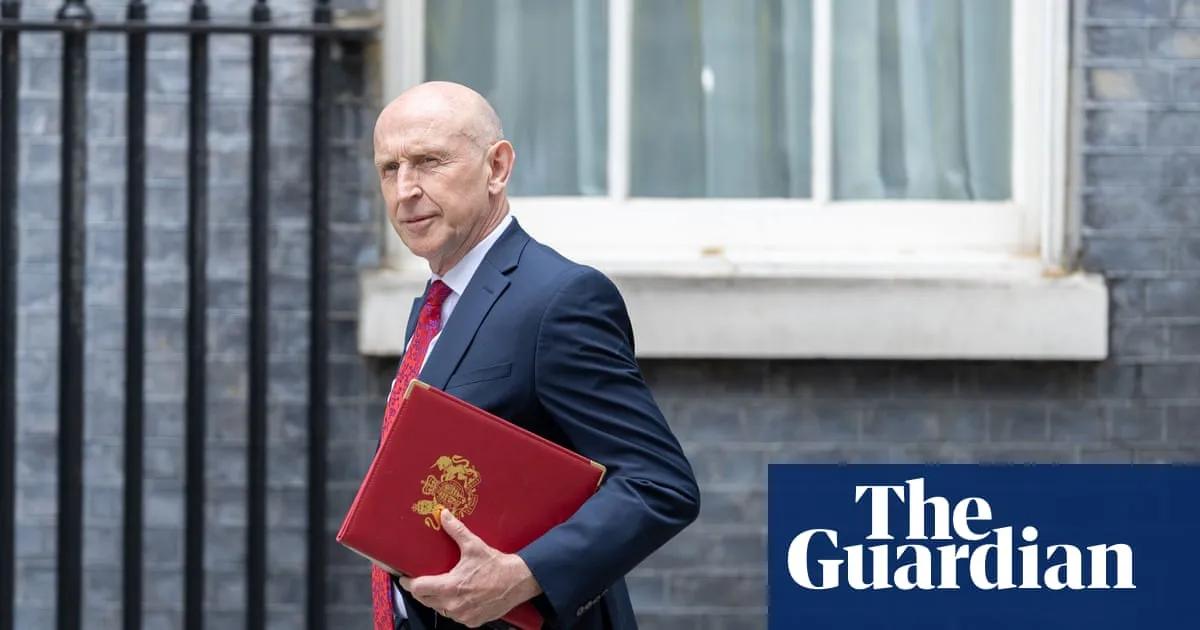
UK reports unexpected deficit of £1.8bn as John Healey prepares for first budget
The UK government recorded an unexpected £1.8 billion deficit in July, despite higher self-assessment income tax payments. This shortfall, which exceeded economists' zero-deficit expectations, highlights challenges for Chancellor John Healey as he prepares his first budget on October 28th.
Heather Stewart Economics editorThe Guardian - World NewsFiled 2026-08-21 · 06:34 GMTLean · Center-LeftRead · 2 min
The Guardian - World NewsFIG 01
Reading time
2min
Word count
429words
Sources cited
2cited
Entities identified
12entities
Quality score
100%
§ 01
Briefing Summary
AI-generatedNEWSAR · AI
The UK government recorded an unexpected £1.8 billion deficit in July, despite higher self-assessment income tax payments. This shortfall, which exceeded economists' zero-deficit expectations, highlights challenges for Chancellor John Healey as he prepares his first budget on October 28th. Total public debt reached £2.98 trillion, or 94% of GDP, a £96 billion increase from the previous year. The cumulative deficit for the first four months of the financial year stands at £56.7 billion, exceeding forecasts. Rising bond yields and pressure to increase spending on defense, housing, and public services are expected to further strain public finances, potentially reducing the buffer against fiscal rules.
Confidence 0.90Sources 2Claims 5Entities 12
§ 02
Article analysis
Model · rule-basedFraming
Economic Impact
Political Strategy
Tone
Measured
AI-assessed
CalmNeutralAlarmist
Factuality
0.80 / 1.00
Factual
LowHigh
Sources cited
2
Limited
FewMany
§ 03
Key claims
5 extracted01
Total public debt was £2.98tn in July, or 94% of GDP.
statisticONS
Confidence
1.00
02
Ten-year gilt yields are above 5%, reflecting energy-related inflation concerns.
statisticMartin Beck
Confidence
1.00
03
The cumulative deficit for the first four months of the financial year was £56.7bn.
statistic
Confidence
1.00
04
City economists had expected a shortfall of zero for July.
statisticCity economists
Confidence
1.00
05
UK government ran a larger than expected £1.8bn deficit in July.
statistic
Confidence
1.00
§ 04
Full report
2 min read · 429 words§ 05
Entities
12 identifiedKey playerOppositionContextPositiveNeutralNegative
Organizations5
Locations1
Events1
§ 06
Keywords & salience
10 termsuk deficit
1.00
john healey
0.90
first budget
0.90
public finances
0.80
spending growth
0.70
bond yields
0.60
debt pile
0.50
inflation
0.50
fiscal rules
0.40
g7 economy
0.40
§ 07
Topic connections
Interactive graph Network visualization showing 51 related topics
View Full Graph Person Organization Location Event|Click node to navigate|Edge numbers = shared articles