A woman who is legally settled in the UK was left stranded at a Spanish airport after the Home Office’s post-Brexit visa system mixed her up with her twin sister.Nidia Webb fell foul of what she was told was a “known issue” with the eVisa, which was brought in as part of the government’s drive to digitise the UK’s immigration system but has faced problems that have caused concern for thousands of people.Politico reported that Webb, who has lived in the UK for eight years, was told at the departure gate she would not be able to board her flight home. “My digital settled status had become linked to my identical twin sister’s details rather than my own, meaning my status could not be properly matched to my identity,” she said.“I was informed that this is a known technical issue affecting some twins within the Home Office system.”Webb said Home Office staff promised her over the phone the problem would be fixed, though a confirmation email was then sent to her sister instead of to her.“I had no idea the issue had been corrected until I was allowed to board my flight home,” Webb said. “Had I not spent hours on the phone trying to resolve the matter, I have no idea how long I could have remained stranded abroad.”A Home Office spokesperson said: “Over 10 million people have already successfully used eVisas to prove their immigration status. As we expand our digital system, we are committed to data accuracy and ensuring that the safeguards in place to support eVisa users are accessible to anyone reliant on the digital system.“In the rare cases where errors are identified, the majority of cases are resolved within 24 hours.” The Home Office indicated the problem Webb encountered had since been fixed and that staff would contact her directly.Serious concerns have been expressed about the eVisa system. In July 2025, the Guardian reported up to 200,000 people who had lived in the UK legally for decades were at risk of being caught up in a Windrush-style scandal because the Home Office was unable to get in touch with them to transfer their old immigration documents to the new digital system.Monique Hawkins, the acting chief executive of the immigration campaign group the3million, said it had seen previous cases similar to Webb’s, adding that it highlighted vulnerabilities in the system and it was “crucial that people have a genuinely stable means by which to prove their status”.She told Politico the eVisa rollout had been “rushed”, adding: “We regularly see people not only denied boarding, but also compensation, as carriers and the Home Office play a blame game shifting responsibility between each other.”
SRCThe Guardian - World News
LANGEN
LEANCenter-Left
WORDS446
ENT10
MON · 2026-08-24 · 07:57 GMTBRIEF NSR-2026-0824-105309
NSR-2026-0824-105309News Report·EN·Human Interest
Woman stranded in Spain after UK’s eVisa system mistakes her for twin sister
Nidia Webb, a woman legally settled in the UK, was prevented from boarding her flight home at a Spanish airport due to a technical issue with the Home Office's eVisa system. Her digital settled status had been incorrectly linked to her identical twin sister's details, preventing her identity from being matched to her immigration status.
Kevin RawlinsonThe Guardian - World NewsFiled 2026-08-24 · 07:57 GMTLean · Center-LeftRead · 2 min
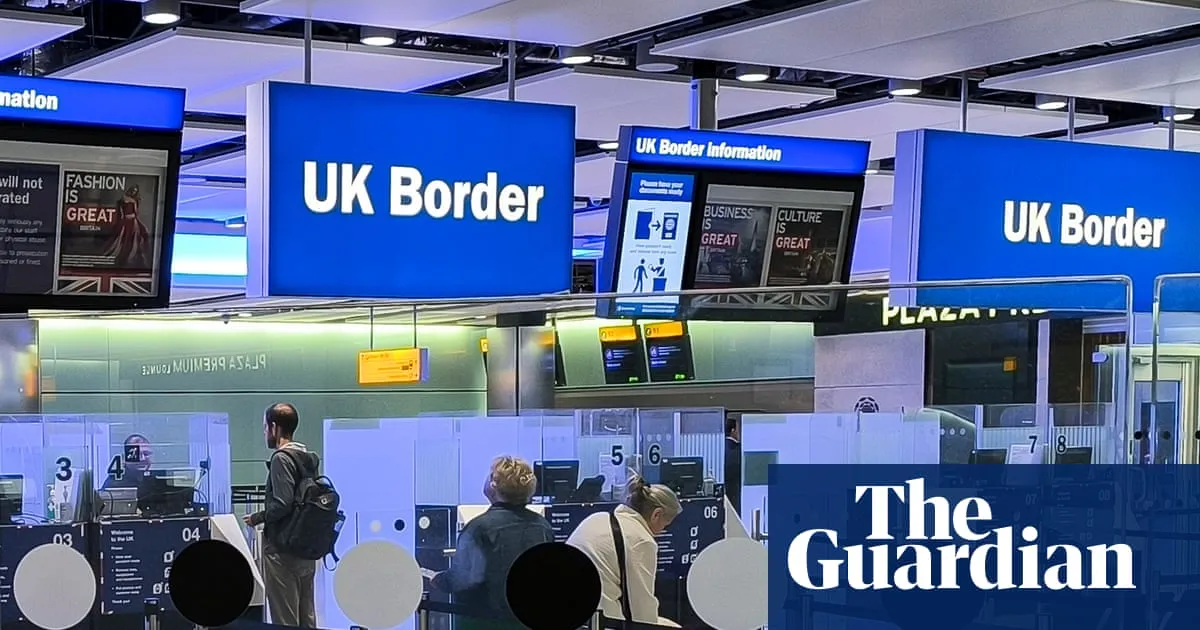
The Guardian - World NewsFIG 01
Reading time
2min
Word count
446words
Sources cited
3cited
Entities identified
10entities
Quality score
100%
§ 01
Briefing Summary
AI-generatedNEWSAR · AI
Nidia Webb, a woman legally settled in the UK, was prevented from boarding her flight home at a Spanish airport due to a technical issue with the Home Office's eVisa system. Her digital settled status had been incorrectly linked to her identical twin sister's details, preventing her identity from being matched to her immigration status. Webb was informed this was a "known issue" affecting some twins within the system. After hours of phone calls, the problem was resolved, and she was eventually allowed to travel. The Home Office stated that the majority of such errors are resolved within 24 hours and that Webb's case has since been fixed. This incident highlights concerns about the digitised immigration system, with campaign groups noting similar vulnerabilities and a rushed rollout.
Confidence 0.90Sources 3Claims 5Entities 10
§ 02
Article analysis
Model · rule-basedFraming
Human Interest
Technology
Tone
Mixed Tone
AI-assessed
CalmNeutralAlarmist
Factuality
0.70 / 1.00
Factual
LowHigh
Sources cited
3
Well sourced
FewMany
§ 03
Key claims
5 extracted01
The Home Office eVisa system has a 'known issue' that can affect twins, causing status matching problems.
quoteNidia Webb
Confidence
1.00
02
A woman was stranded in Spain due to a UK eVisa system error linking her status to her twin sister's details.
factualNidia Webb
Confidence
1.00
03
Over 10 million people have successfully used eVisas, and most identified errors are resolved within 24 hours.
statisticHome Office spokesperson
Confidence
0.90
04
The eVisa rollout has been 'rushed,' leading to issues like denied boarding and blame-shifting between carriers and the Home Office.
quoteMonique Hawkins
Confidence
0.90
05
Up to 200,000 people are at risk of a Windrush-style scandal due to the Home Office's inability to transfer old immigration documents to the new digital system.
statisticThe Guardian
Confidence
0.90
§ 04
Full report
2 min read · 446 words§ 05
Entities
10 identifiedKey playerOppositionContextPositiveNeutralNegative
Organizations4
§ 06
Keywords & salience
10 termsevisa system
1.00
immigration system
0.90
home office
0.80
digital status
0.70
technical issue
0.60
windrush scandal
0.50
data accuracy
0.50
identity verification
0.40
post-brexit
0.40
settled status
0.40
§ 07
Topic connections
Interactive graph No topic relationship data available yet. This graph will appear once topic relationships have been computed.