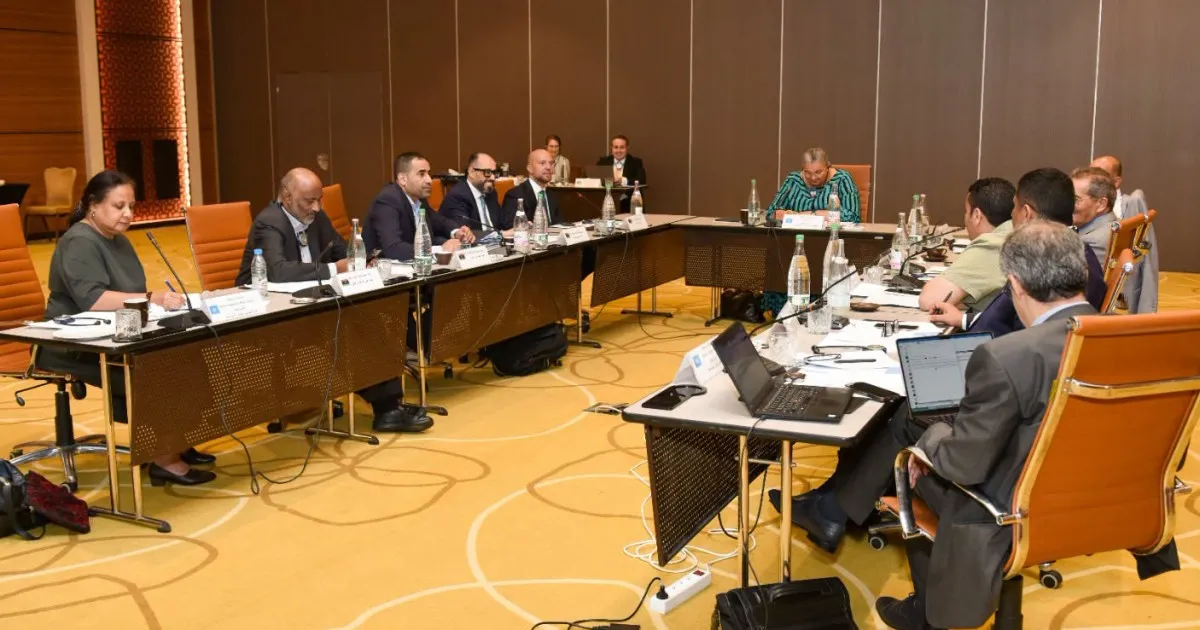
A newly-formed committee has signed a preliminary agreement, but divided state institutions and legal voids threaten its execution.Libyan negotiators have agreed to an initial election pact aimed at ending years of political divisions within the country.The agreement covers electoral laws and the restructuring of the national elections commission, moving the process toward a highly complex and delicate implementation phase, experts and officials told Al Jazeera.Recommended Stories list of 4 itemslist 1 of 4Can US, Middle Eastern powers unite Libya 15 years after Gaddafi overthrow?list 2 of 4One geography, two states: Saudi Arabia’s security approach to Sudanlist 3 of 4Libya rivals test a new path towards unity, 15 years after Gadaffi downfalllist 4 of 4Libya’s brain drain, 15 years after Tripoli fellend of listSince 2014, Libya has been divided between two bitterly opposed administrations that separately control the east and west of the country, with repeated United Nations-led efforts to end the crisis.Current negotiations have been conducted by a committee consisting of four representatives from the House of Representatives, based in eastern Libya, and four representatives from the High Council of State, linked to the internationally-recognised Government of National Unity in Tripoli.The United Nations-backed ‘4+4 committee’ signed the initial draft in Tunis on August 20, with the challenge now in getting other parties in Libya on board.Legal expert Al-Mahdi Kashbour told Al Jazeera that there appears to be a gap between the powers of the parties that signed the agreement and the institutions with the authority to implement it.Libya political analyst Elias Al-Barouni stressed that the pact does not make any concrete plans for the country’s elections. Even if legal hurdles are cleared, the problem then shifts to who governs Libya in the interim, he added.This could be the most difficult test yet for the peace process, as the transitional authority would control state resources and have to navigate a highly sensitive security environment.
SRCAl Jazeera
LANGEN
LEANCenter
WORDS313
ENT12
TUE · 2026-08-25 · 06:10 GMTBRIEF NSR-2026-0825-105630
NSR-2026-0825-105630News Report·EN·Political Strategy
Libya factions draft initial election pact amid lingering mistrust
Libyan factions have signed an initial election pact in Tunis on August 20, aiming to resolve years of political division. The agreement, drafted by a committee of four representatives from the eastern House of Representatives and four from the Tripoli-based High Council of State, covers electoral laws and the restructuring of the national elections commission.
By Rasha AliAl JazeeraFiled 2026-08-25 · 06:10 GMTLean · CenterRead · 2 min
Al JazeeraFIG 01
Reading time
2min
Word count
313words
Sources cited
3cited
Entities identified
12entities
Quality score
100%
§ 01
Briefing Summary
AI-generatedNEWSAR · AI
Libyan factions have signed an initial election pact in Tunis on August 20, aiming to resolve years of political division. The agreement, drafted by a committee of four representatives from the eastern House of Representatives and four from the Tripoli-based High Council of State, covers electoral laws and the restructuring of the national elections commission. However, experts warn that divided state institutions and significant legal gaps threaten its implementation. The pact lacks concrete plans for elections and raises questions about interim governance, which could prove to be a difficult challenge given control over state resources and a sensitive security environment.
Confidence 0.90Sources 3Claims 5Entities 12
§ 02
Article analysis
Model · rule-basedFraming
Political Strategy
Conflict
Tone
Measured
AI-assessed
CalmNeutralAlarmist
Factuality
0.70 / 1.00
Factual
LowHigh
Sources cited
3
Well sourced
FewMany
§ 03
Key claims
5 extracted01
Libya has been divided between two administrations controlling the east and west since 2014.
factual
Confidence
1.00
02
The '4+4 committee' signed the initial draft in Tunis on August 20.
factual
Confidence
0.95
03
The pact does not make any concrete plans for the country’s elections, and the problem then shifts to who governs Libya in the interim.
quoteElias Al-Barouni
Confidence
0.90
04
The agreement covers electoral laws and the restructuring of the national elections commission.
factual
Confidence
0.90
05
Libyan negotiators have agreed to an initial election pact aimed at ending years of political divisions.
factual
Confidence
0.90
§ 04
Full report
2 min read · 313 words§ 05
Entities
12 identifiedKey playerOppositionContextPositiveNeutralNegative
Organizations5
§ 06
Keywords & salience
10 termslibya
1.00
election pact
1.00
political divisions
0.90
electoral laws
0.80
national elections commission
0.70
divided state institutions
0.60
transitional authority
0.50
legal voids
0.50
peace process
0.40
security environment
0.40
§ 07
Topic connections
Interactive graph Network visualization showing 51 related topics
View Full Graph Person Organization Location Event|Click node to navigate|Edge numbers = shared articles