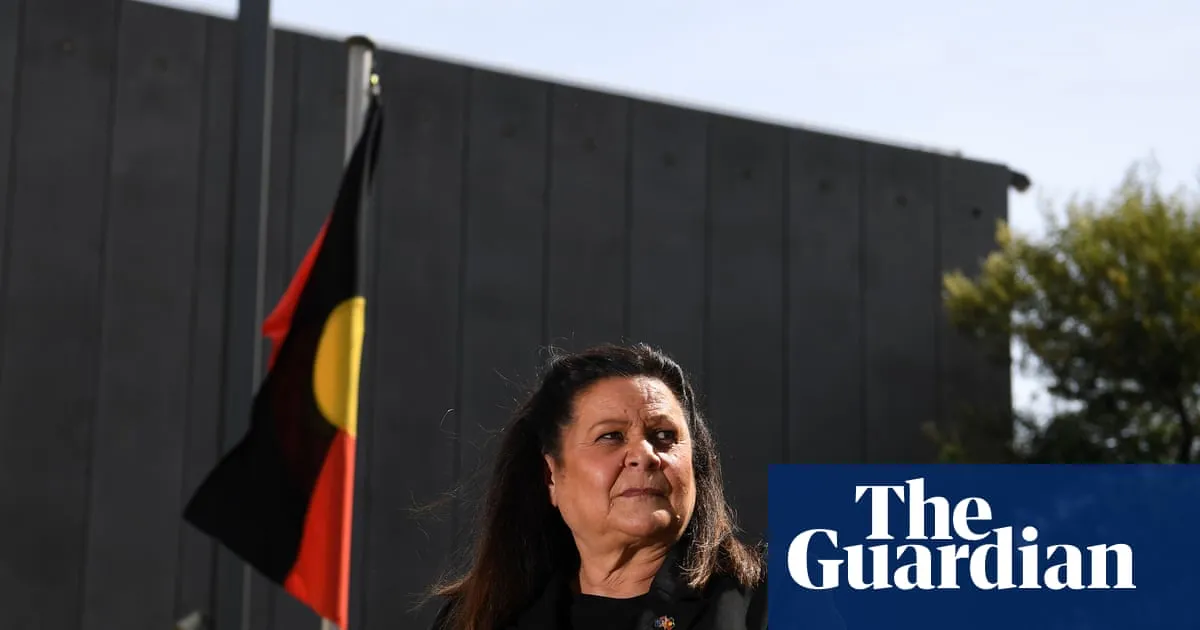
‘These aren’t just figures we’re talking about, these are members of our families,’ says Victorian Aboriginal Health Organisation chief executive Jill Gallagher. Photograph: James Ross/AAP View image in fullscreen ‘These aren’t just figures we’re talking about, these are members of our families,’ says Victorian Aboriginal Health Organisation chief executive Jill Gallagher. Photograph: James Ross/AAP ‘Enough is enough’: 121 Indigenous Victorians have died by suicide in the past five years Royal commission recommended First Nations healing centres in 2021 but the Indigenous health service says the state has ‘done nothing’ to fund it Follow our Australia news live blog for latest updates Get our breaking news email, free app or daily news podcast On the steps of Victorian parliament stood 121 empty chairs, marking the number of Indigenous lives lost to suicide in the state in the past five years. All of these deaths, the state’s peak body for Aboriginal health said, came after the final report of the royal commission into mental health in March 2021. Its key findings heavily emphasised Aboriginal self-determination, social and emotional wellbeing, and the establishment of two cultural healing centres. The state government accepted all 65 recommendations from the final report and nine from the interim report, but is yet to fully implement those directly related to First Nations people who remain three times more likely to die by suicide. The Victorian Aboriginal Health Organisation (VACCHO) chief executive, Jill Gallagher, said the tragic statistic showed that mainstream mental health services are not working for Aboriginal and Torres Strait Islander people. “A lot of recommendations came out of that report and not many Aboriginal recommendations have been implemented,” the Gunditjmara woman said. “The government has done nothing. We have not established those very important healing centres, and it is crucial to try and address those numbers. “These aren’t just figures we’re talking about, these are members of our families. Our families suffer, our communities suffer.” Gallagher said VACCHO had applied twice in the past five years to see the healing centres funded, with an estimated cost of $36.2m over four years. Gunditjmara woman Nikki Foy, who lost her brother to suicide more than 20 years ago, said mainstream mental health services were not equipped to handle “complexities of the trauma that we carry”. “We need healing centres that are culturally appropriate for our mob. Culture heals,” she said. 6:55 Seven First Nations Australians tell us their worries and hopes for future generations – video “Today, or tomorrow, some family out there will receive a phone call. A mother, a father, a brother, sister, uncle or aunty or grandparents will get that call and be told that their loved one has passed by suicide … enough is enough. “We are the experts that know how to support and how to help our mob. Let us do that.” Reducing rates of suicide in Indigenous communities is one of the 17 Closing the Gap targets. Both the Victorian minister for mental health, Ingrid Stitt, and the opposition spokesperson, Emma Kealy, addressed reporters alongside Gallagher. But while both spoke of the need to address the self-harm crisis in Indigenous communities, neither committed to funding the centres. The Coalition has vowed to repeal Victoria’s historic treaty laws and dismantle Gellung Warl, the representative body for First Nations Victorians set up within that treaty process, within 100 days if it wins the state election in November. Asked if abolishing Gellung Warl would help reduce suicide rates, Kealy said the Coalition’s policy was focused on making sure Aboriginal community-controlled organisations were funded and said that “while the journey may be different”, the party was committed to closing the gap. Stitt said she would continue to advocate “strongly within cabinet and within the budget process” to have the healing centre projects supported. “Proud First Nations peoples in Victoria have the solutions, and we will work really hard to make sure that they have the power to be able to deliver those solutions.” Explore more on these topics Indigenous Australians Victoria Mental health Health news Share Reuse this content
SRCThe Guardian - World News
LANGEN
LEANCenter-Left
WORDS674
ENT11
TUE · 2026-08-25 · 07:06 GMTBRIEF NSR-2026-0825-105633
NSR-2026-0825-105633News Report·EN·Social Justice
‘Enough is enough’: 121 Indigenous Victorians have died by suicide in the past five years
In the past five years, 121 Indigenous Victorians have died by suicide, with all these deaths occurring after the March 2021 royal commission into mental health. The commission recommended the establishment of two First Nations healing centres, emphasizing self-determination and social and emotional wellbeing.
Douglas Smith Indigenous affairs reporterThe Guardian - World NewsFiled 2026-08-25 · 07:06 GMTLean · Center-LeftRead · 3 min
The Guardian - World NewsFIG 01
Reading time
3min
Word count
674words
Sources cited
2cited
Entities identified
11entities
Quality score
100%
§ 01
Briefing Summary
AI-generatedNEWSAR · AI
In the past five years, 121 Indigenous Victorians have died by suicide, with all these deaths occurring after the March 2021 royal commission into mental health. The commission recommended the establishment of two First Nations healing centres, emphasizing self-determination and social and emotional wellbeing. The Victorian Aboriginal Health Organisation (VACCHO) states that the state government has not funded these crucial healing centres, despite accepting the recommendations. VACCHO chief executive Jill Gallagher highlighted that mainstream mental health services are not effectively serving Aboriginal and Torres Strait Islander people, and that these deaths represent the loss of family members and community suffering. Culturally appropriate healing centres are seen as vital to address the trauma and reduce suicide rates, which disproportionately affect Indigenous Australians.
Confidence 0.90Sources 2Claims 5Entities 11
§ 02
Article analysis
Model · rule-basedFraming
Social Justice
Human Interest
Tone
Mixed Tone
AI-assessed
CalmNeutralAlarmist
Factuality
0.70 / 1.00
Factual
LowHigh
Sources cited
2
Limited
FewMany
§ 03
Key claims
5 extracted01
The estimated cost for two healing centres over four years is $36.2m.
statisticArticle
Confidence
1.00
02
Mainstream mental health services are not working for Aboriginal and Torres Strait Islander people.
quoteJill Gallagher (VACCHO)
Confidence
1.00
03
First Nations people remain three times more likely to die by suicide.
statisticArticle
Confidence
1.00
04
The state government has done nothing to fund culturally appropriate healing centres for First Nations people.
quoteJill Gallagher (VACCHO)
Confidence
1.00
05
121 Indigenous Victorians have died by suicide in the past five years.
statisticArticle
Confidence
1.00
§ 04
Full report
3 min read · 674 words§ 05
Entities
11 identifiedKey playerOppositionContextPositiveNeutralNegative
Organizations2
§ 06
Keywords & salience
9 termsfirst nations healing centres
1.00
indigenous suicide
1.00
mental health services
0.90
aboriginal self-determination
0.80
social and emotional wellbeing
0.80
royal commission
0.70
victorian aboriginal health organisation
0.60
cultural trauma
0.50
government funding
0.40
§ 07
Topic connections
Interactive graph No topic relationship data available yet. This graph will appear once topic relationships have been computed.