Turksih philantropist Osman Kavala is photographed in Istanbul on April 29, 2015. (AP Photo/File) Istanbul (AP) — The European Court of Human Rights on Tuesday criticized Turkey’s courts over the imprisonment of prominent philanthropist Osman Kavala, saying it highlighted a “systemic problem” that was “marked by the detention and prosecution of political opponents, human-rights defenders and journalists.”Kavala, 68, the founder of a nonprofit organization promoting peace and dialogue, was sentenced to life in prison without parole in 2022 on charges linked to 2013 protests and a coup attempt in 2016. Human rights advocates and opposition groups say President Recep Tayyip Erdogan ’s government has weaponized the judiciary to target critics and rivals after more than two decades in power.Reiterating a call for Kavala’s release it first made in 2019, the European court said his conviction should be regarded as “as null and void.” In a statement, the court said Turkey had violated several of Kavala’s fundamental rights. The violations “also revealed structural shortcomings which affected the guarantees of independence and impartiality of the judiciary, and which were likely to facilitate the exerting of direct or indirect influence by the executive branch on certain judicial decisions, particularly in cases with a sensitive political dimension,” the France-based court added.The Turkish government maintains that the justice system is impartial and independent. Erdogan has dismissed the court’s previous rulings, saying Turkey would not “recognize those who do not recognize our courts.” 1 MIN READ 2 MIN READ 1 MIN READ Kavala was first detained in 2017 on accusations that he financed protests four years earlier that attempted to overthrow the government. He was acquitted in 2020, but was swiftly rearrested on charges linking him to Turkey’s 2016 coup attempt. His acquittal was overturned and the case was merged with that relating to the coup attempt. He was sentenced to life in prison without parole in April 2022.The case led to a diplomatic crisis in 2021 when Erdogan threatened to declare 10 foreign ambassadors, including the U.S., French and German representatives in Ankara, persona non grata after they called for Kavala’s release.
SRCAssociated Press (AP)
LANGEN
LEANCenter
WORDS347
ENT8
TUE · 2026-08-25 · 10:53 GMTBRIEF NSR-2026-0825-105716
NSR-2026-0825-105716News Report·EN·Legal & Judicial
European court says the Turkish judiciary has a ‘systematic problem’ in ruling on philanthropist
The European Court of Human Rights has criticized Turkey's judiciary, calling the imprisonment of philanthropist Osman Kavala a "systemic problem" indicative of targeting political opponents. Kavala, who founded a peace and dialogue nonprofit, was sentenced to life in prison in 2022 on charges related to 2013 protests and a 2016 coup attempt.
Updated [hour]:[minute] [AMPM] [timezone], [monthFull] [day], [year]Associated Press (AP)Filed 2026-08-25 · 10:53 GMTLean · CenterRead · 2 min
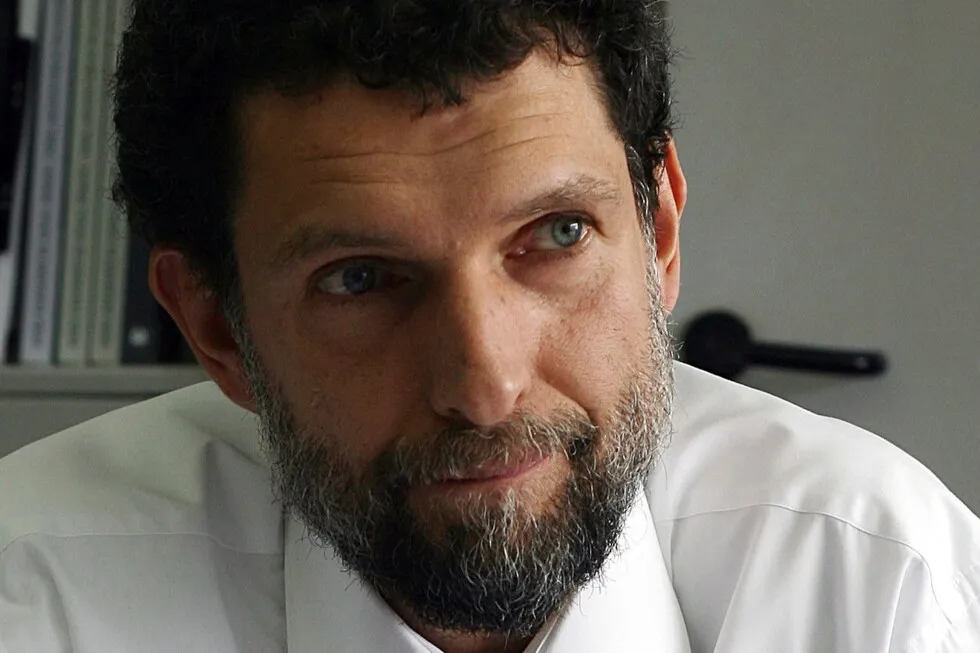
Associated Press (AP)FIG 01
Reading time
2min
Word count
347words
Sources cited
2cited
Entities identified
8entities
Quality score
100%
§ 01
Briefing Summary
AI-generatedNEWSAR · AI
The European Court of Human Rights has criticized Turkey's judiciary, calling the imprisonment of philanthropist Osman Kavala a "systemic problem" indicative of targeting political opponents. Kavala, who founded a peace and dialogue nonprofit, was sentenced to life in prison in 2022 on charges related to 2013 protests and a 2016 coup attempt. The court reiterated its 2019 call for his release, stating his conviction should be void and that Turkey violated his fundamental rights. The court cited structural issues affecting judicial independence and impartiality, suggesting executive influence in politically sensitive cases. Turkey's government maintains its judiciary is impartial, and President Erdogan has dismissed the court's rulings. Kavala was initially detained in 2017, acquitted in 2020, but rearrested on coup-related charges, leading to his life sentence.
Confidence 0.90Sources 2Claims 5Entities 8
§ 02
Article analysis
Model · rule-basedFraming
Legal & Judicial
Human Rights
Tone
Measured
AI-assessed
CalmNeutralAlarmist
Factuality
0.80 / 1.00
Factual
LowHigh
Sources cited
2
Limited
FewMany
§ 03
Key claims
5 extracted01
Kavala was first detained in 2017, acquitted in 2020, rearrested on new charges, and his acquittal was overturned.
factual
Confidence
1.00
02
The Turkish government maintains that its justice system is impartial and independent.
factualTurkish government
Confidence
1.00
03
The European court stated that Turkey violated several of Kavala's fundamental rights and revealed structural shortcomings in its judiciary.
quoteEuropean Court of Human Rights
Confidence
1.00
04
Osman Kavala was sentenced to life in prison without parole in 2022 on charges linked to 2013 protests and a 2016 coup attempt.
factual
Confidence
1.00
05
The European Court of Human Rights criticized Turkey's courts over the imprisonment of Osman Kavala, citing a 'systemic problem'.
quoteEuropean Court of Human Rights
Confidence
1.00
§ 04
Full report
2 min read · 347 words§ 05
Entities
8 identifiedKey playerOppositionContextPositiveNeutralNegative
Organizations1
§ 06
Keywords & salience
10 termsosman kavala
1.00
systematic problem
1.00
european court of human rights
0.90
turkish judiciary
0.90
human rights
0.80
political opponents
0.70
judicial independence
0.60
recep tayyip erdogan
0.50
coup attempt
0.40
diplomatic crisis
0.40
§ 07
Topic connections
Interactive graph Network visualization showing 5 related topics
View Full Graph Person Organization Location Event|Click node to navigate|Edge numbers = shared articles