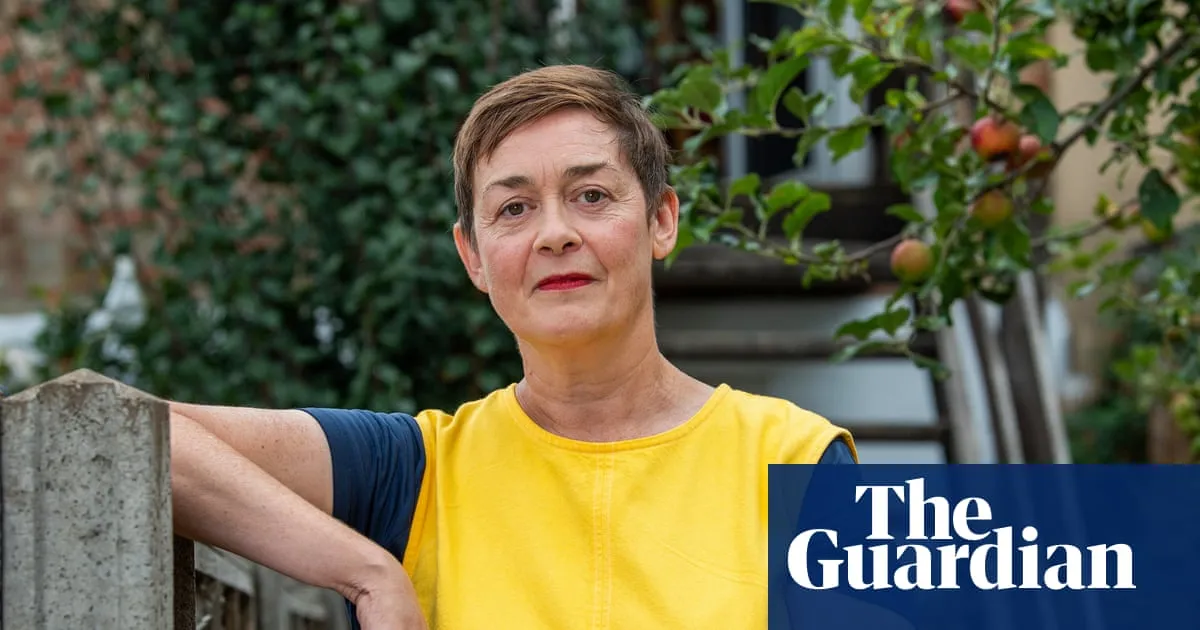
Sarah Williams vividly remembers the night in 2016 when she camped overnight in a car park to put down a deposit on a flat in the newly completed Spectrum Building in Dagenham, east London.“People started queuing for those flats 24 hours before they went on sale,” she said. “It was basically the only flat I could afford in London. This was a year before Grenfell, and the flats market in London was completely crazy.”Four years later, her flat became unsellable when they realised it was covered in dangerous, flammable cladding. Another four years and it, like Grenfell Tower in west London in 2017, had burned down.It has been two years since the fire at the Spectrum Building on 26 August 2024, which left more than 80 people homeless. They were forced to flee a blaze that broke out in the early hours of the morning, fuelled by the scaffolding that covered the building while the cladding was replaced.London-firefighters" class="entity-link entity-organization" data-entity-id="193498" data-entity-type="organization">London firefighters tackle blaze at Dagenham tower block – videoWilliams, like many leaseholders, is stuck in a legal limbo, paying the mortgage on a flat that no longer exists, with no idea how much she will get back.The building’s freeholder, Arinium Ltd, went bankrupt shortly after the fire, and administrators are now responsible for distributing any remaining money, including insurance payouts for loss and damages.“We still haven’t got our money, and we have no idea whether it will even cover the value of the flats,” said Williams, a charity worker. “We don’t know when we’re going to get it. We’ve still got to pay our mortgages. We’ve still got to pay our rent.“So many people have told us: ‘It’s terrible what happened to you, and this is a priority for us.’ But our lives are still on hold.”Insurance payouts are covering emergency accommodation for leaseholders for three years – no one knows what will happen if compensation hasn’t been awarded by then, and people are left to pay both rent and a mortgage.James Allchurch lost his own flat and another he rented out in the Spectrum Building fire. Photograph: Antonio Olmos/The GuardianJames Allchurch, who owned two flats which burned down in the fire, said the arduous legal process was compounding the trauma many experienced that night. He and his partner ran from their third-floor flat when he woke up by chance and saw embers and blue flashing lights outside the window.“We just grabbed whatever clothes we had and ran out the building, leaving everything behind. Because the last thing you think is, we’ll never go back in our flat,” he said.“It wears you down. I still have nightmares about the fire, I have nightmares about watching our building being demolished, losing everything. There’s an underlying sense of anxiety that has been with me most days since that fire.”More than 200 firefighters with 40 fire appliances tackled the blaze in the Spectrum Building in Dagenham. Photograph: Rex/ShutterstockLeaseholders are also concerned that if the freeholder is prosecuted over any fire safety breaches and ultimately fined, that money could come out of the pot of money that would otherwise be distributed to them.“You want some justice, you want to feel that someone’s taking responsibility and there’s accountability,” Allchurch said. “But the result of that might be that we’re all thousands of pounds worse off.”As well as frustration at the delays in getting any money back, residents are angry at what they describe as the painfully slow pace of work to replace flammable cladding on buildings across the country.Angela Rayner (centre), the then deputy prime minister, visiting the Spectrum Building after the fire. Photograph: Stefan Rousseau/PAThe day after the fire, the then deputy prime minister, Angela Rayner, told reporters at the site that cladding remediation was going “far too slowly” and vowed to “speed up the process”. But the number of buildings in need of cladding remediation where work has started or been completed has only increased from 50% to 53% in the past two years.“I don’t want anybody else to go through this,” said Williams. “Do not stand in front of my smouldering building saying this is a priority then fail to follow up on that. I expected fast and urgent action, but I haven’t seen that for the residents of Spectrum and I haven’t seen that for the country.”Giles Grover, from the End Our Cladding Scandal campaign group, said they were still waiting for Labour to keep its manifesto commitments on building safety.“Progress has been very slow in the last couple of years,” he said. “There’s been a couple of small steps forward, but it’s piecemeal.“It feels like Labour prioritised building 1.5m homes, and that’s meant they’ve swept ending the building safety crisis under the carpet. But this fire was a warning, and they need to heed it. There’s hundreds of thousands of people still living in unsafe buildings.”A spokesperson for the Ministry of Housing, Communities and Local Government said: “The residents of the Spectrum Building must be fully and urgently compensated so they can start to rebuild their lives – and we urge the building’s administrators to resolve the insurance settlements as quickly as possible.“More broadly, we’re speeding up cladding removal to bring the building safety crisis to an end, and introducing a new legal duty to remediate, to force those responsible to fix unsafe buildings or face criminal prosecution.”
SRCThe Guardian - World News
LANGEN
LEANCenter-Left
WORDS886
ENT12
WED · 2026-08-26 · 05:00 GMTBRIEF NSR-2026-0826-105978
NSR-2026-0826-105978News Report·EN·Human Interest
Two years in limbo: the residents still paying mortgages on flats destroyed in east London fire
Two years after a fire destroyed the Spectrum Building in Dagenham, east London, leaseholders remain in limbo, still paying mortgages on their destroyed flats. The blaze, which occurred on August 26, 2024, left over 80 people homeless.
Jessica Murray Social affairs correspondentThe Guardian - World NewsFiled 2026-08-26 · 05:00 GMTLean · Center-LeftRead · 4 min
The Guardian - World NewsFIG 01
Reading time
4min
Word count
886words
Sources cited
2cited
Entities identified
12entities
Quality score
100%
§ 01
Briefing Summary
AI-generatedNEWSAR · AI
Two years after a fire destroyed the Spectrum Building in Dagenham, east London, leaseholders remain in limbo, still paying mortgages on their destroyed flats. The blaze, which occurred on August 26, 2024, left over 80 people homeless. The building's freeholder, Arinium Ltd, went bankrupt shortly after the fire, leaving administrators to handle payouts for damages. Leaseholders are uncertain about when they will receive compensation and if it will cover their losses, while also facing ongoing mortgage and rent payments. Insurance is covering emergency accommodation for three years, but the long-term implications for those still awaiting compensation are unclear. Residents are also concerned that any fines levied against the freeholder for fire safety breaches could reduce the funds available for their compensation. Progress on addressing flammable cladding on buildings nationwide has been slow, exacerbating residents' frustration.
Confidence 0.90Sources 2Claims 5Entities 12
§ 02
Article analysis
Model · rule-basedFraming
Human Interest
Economic Impact
Tone
Measured
AI-assessed
CalmNeutralAlarmist
Factuality
0.70 / 1.00
Factual
LowHigh
Sources cited
2
Limited
FewMany
§ 03
Key claims
5 extracted01
Leaseholders are concerned about what happens if compensation is not awarded before emergency accommodation runs out.
factual
Confidence
1.00
02
The building's freeholder, Arinium Ltd, went bankrupt shortly after the fire.
factual
Confidence
1.00
03
The fire was fueled by scaffolding covering the building during cladding replacement.
factual
Confidence
1.00
04
The Spectrum Building fire on August 26, 2024, left more than 80 people homeless.
factual
Confidence
1.00
05
Residents are still paying mortgages on flats destroyed in an east London fire two years ago.
factual
Confidence
1.00
§ 04
Full report
4 min read · 886 words§ 05
Entities
12 identifiedKey playerOppositionContextPositiveNeutralNegative
Organizations3
Locations4
§ 06
Keywords & salience
9 termsleaseholders
1.00
flammable cladding
1.00
legal limbo
0.90
mortgage payments
0.90
fire safety
0.80
insurance payouts
0.70
spectrum building fire
0.60
grenfell tower
0.50
housing market
0.40
§ 07
Topic connections
Interactive graph No topic relationship data available yet. This graph will appear once topic relationships have been computed.