Di Dongsheng argues it could take three decades for China to dominate access to ports, straits, canals and shipping lanes around the world3-MIN READ3-MIN0ListenPublished: 3:55pm, 27 Aug 2026Updated: 3:58pm, 27 Aug 2026China should forge a national consensus on “regaining mastery of the oceans” and direct overseas investment returns into defence spending to brace for sea-power competition with the US, according to a prominent Chinese academic.Di Dongsheng, associate dean of Renmin University’s school of international studies in Beijing, warned on Tuesday that as economic ties between the United States, the dominant maritime power, and China, which relies heavily on sea-bound trade, shifted towards competition, the era of open oceans could be drawing to a close.“We must prepare for struggle in a coming contest over sea power and the security of shipping routes,” Di wrote in a note on his social media channel.04:36Why the vital Red Sea shipping lane may be the new frontline in the US-Iran warHe argued it could take about three decades for China to secure dominance over and access to ports, straits, canals and shipping lanes around the world in a step-by-step process.“Before then, the possibility that a portion of [China’s] import and export trade relying on maritime transport would come under threats, or even partial shocks, still warrants close attention,” he said.Di noted that Beijing had gained the “upper hand” in last year’s tariff and sanctions wars, forcing US President Donald Trump into a temporary compromise. However, his research indicated that the White House remained unconvinced and he said some viewed Washington as actively targeting China’s vulnerabilities and waiting for the right moment to act.“One of China’s obvious soft spots is the maritime routes,” Di said.He described geopolitical events since the second half of 2025 around the Panama Canal, Greenland and the Strait of Hormuz as “a series of warning signals that the openness of the seas is tending towards an end”.
SRCSouth China Morning Post
LANGEN
LEANCenter-Right
WORDS315
ENT12
THU · 2026-08-27 · 07:55 GMTBRIEF NSR-2026-0827-106376
NSR-2026-0827-106376Analysis·EN·Conflict
What China can do to secure trade routes in its coming high-seas struggle with US
A prominent Chinese academic, Di Dongsheng, suggests China should foster national consensus on "regaining mastery of the oceans" and reallocate overseas investment returns to defense spending to prepare for sea-power competition with the US. Di warned that as economic ties shift towards competition, the era of open oceans may be ending, and China must brace for struggles over sea power and shipping route security.
Orange WangSouth China Morning PostFiled 2026-08-27 · 07:55 GMTLean · Center-RightRead · 2 min
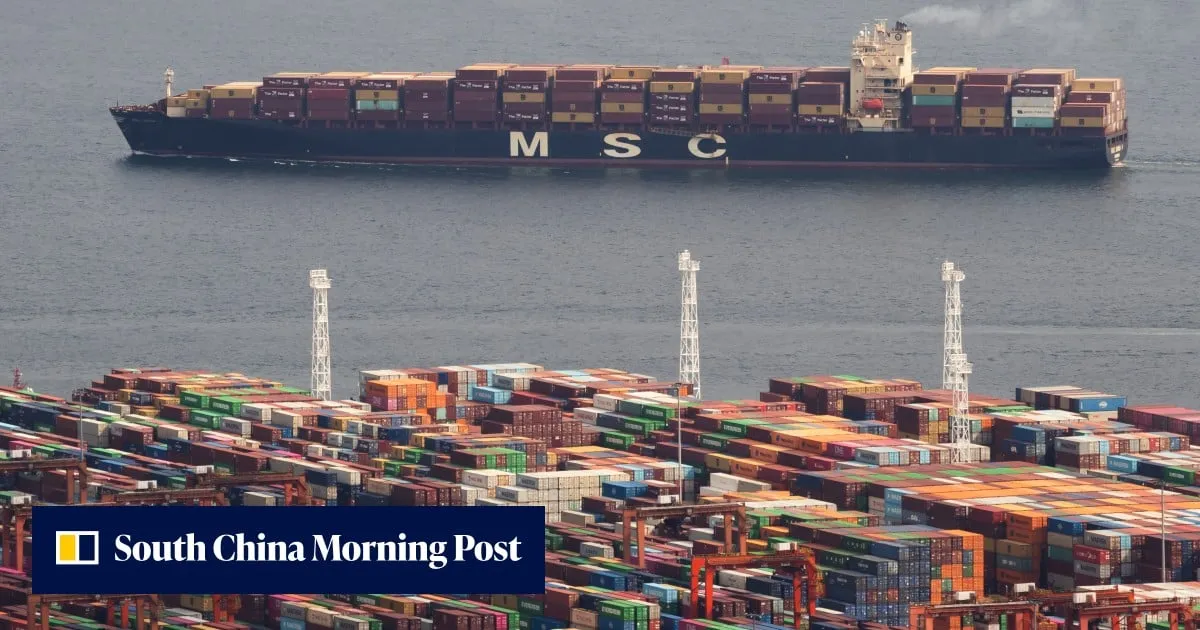
South China Morning PostFIG 01
Reading time
2min
Word count
315words
Sources cited
1cited
Entities identified
12entities
Quality score
100%
§ 01
Briefing Summary
AI-generatedNEWSAR · AI
A prominent Chinese academic, Di Dongsheng, suggests China should foster national consensus on "regaining mastery of the oceans" and reallocate overseas investment returns to defense spending to prepare for sea-power competition with the US. Di warned that as economic ties shift towards competition, the era of open oceans may be ending, and China must brace for struggles over sea power and shipping route security. He estimates it could take three decades for China to achieve dominance over global ports, straits, canals, and shipping lanes. Di identified maritime routes as a significant vulnerability for China, citing geopolitical events since late 2025 as warning signals about the decreasing openness of the seas.
Confidence 0.90Sources 1Claims 4Entities 12
§ 02
Article analysis
Model · rule-basedFraming
Conflict
Political Strategy
Tone
Mixed Tone
AI-assessed
CalmNeutralAlarmist
Factuality
0.30 / 1.00
Opinion-Heavy
LowHigh
Sources cited
1
Limited
FewMany
§ 03
Key claims
4 extracted01
China should forge a national consensus on 'regaining mastery of the oceans' and direct overseas investment returns into defence spending.
quoteDi Dongsheng
Confidence
0.90
02
Geopolitical events since the second half of 2025 around the Panama Canal, Greenland and the Strait of Hormuz are warning signals that the openness of the seas is tending towards an end.
quoteDi Dongsheng
Confidence
0.80
03
The possibility that a portion of China’s import and export trade relying on maritime transport would come under threats, or even partial shocks, warrants close attention.
predictionDi Dongsheng
Confidence
0.80
04
It could take about three decades for China to secure dominance over and access to ports, straits, canals and shipping lanes around the world.
predictionDi Dongsheng
Confidence
0.70
§ 04
Full report
2 min read · 315 words§ 05
Entities
12 identifiedKey playerOppositionContextPositiveNeutralNegative
Organizations1
Locations6
§ 06
Keywords & salience
10 termssea-power competition
1.00
trade routes
1.00
maritime security
0.90
us-china relations
0.80
shipping lanes
0.70
geopolitics
0.60
defence spending
0.50
strait of hormuz
0.40
panama canal
0.40
di dongsheng
0.40
§ 07
Topic connections
Interactive graph Network visualization showing 51 related topics
View Full Graph Person Organization Location Event|Click node to navigate|Edge numbers = shared articles