Jianlu Bi is a senior fellow at the Foreign Policy in Focus think tank at the Institute for Policy Studies in Washington, DC, and a research fellow at the Charhar Institute in Beijing.This summer, Chinese anti-war film Once Upon a Time in the Middle East has dominated the mainland box office. The film implicitly answers the question: what happens when a story about international conflict is told, not through the sights of an assault rifle, but through a gentler lens?It offers a fundamental restructuring of cinematic narrative paradigms, one that challenges decades of Hollywood inertia. For nearly a century, mainstream international anti-war cinema has been heavily anchored in the Western hero’s crucible. From The Hurt Locker to American Sniper, classic Hollywood conventions have framed global conflict through a distinct lens: military intervention, the combatant’s moral angst or the intervention of a solitary “saviour” imposing order on local chaos.While these films often critique the horrors of war, they inadvertently reinforce a paternalistic dichotomy – reducing local populations to passive victims who form the backdrop to the agency of foreign soldiers.
SRCSouth China Morning Post
LANGEN
LEANCenter-Right
WORDS179
ENT12
FRI · 2026-08-28 · 01:30 GMTBRIEF NSR-2026-0828-106679
NSR-2026-0828-106679Analysis·EN·Human Interest
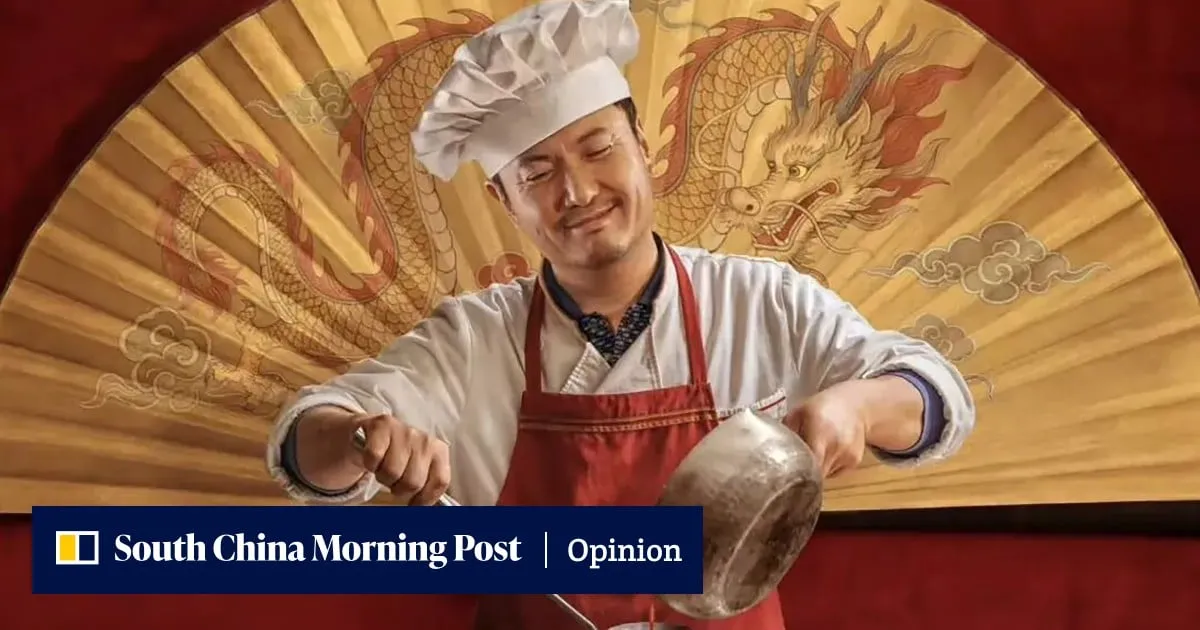
A Chinese cook in the Middle East serves up a very different anti-war film
The Chinese film "Once Upon a Time in the Middle East" has achieved significant box office success in mainland China this summer. The movie presents a different approach to depicting international conflict, focusing on a gentler narrative rather than the typical portrayal of warfare.
Jianlu BiSouth China Morning PostFiled 2026-08-28 · 01:30 GMTLean · Center-RightRead · 1 min
South China Morning PostFIG 01
Reading time
1min
Word count
179words
Sources cited
2cited
Entities identified
12entities
Quality score
100%
§ 01
Briefing Summary
AI-generatedNEWSAR · AI
The Chinese film "Once Upon a Time in the Middle East" has achieved significant box office success in mainland China this summer. The movie presents a different approach to depicting international conflict, focusing on a gentler narrative rather than the typical portrayal of warfare. This approach challenges established cinematic conventions, particularly those prevalent in Hollywood for nearly a century. Historically, Western anti-war films have centered on the experiences of Western heroes, military intervention, and the moral struggles of combatants, often framing local populations as passive victims. "Once Upon a Time in the Middle East" offers an alternative narrative paradigm by shifting away from these traditional Hollywood frameworks.
Confidence 0.90Sources 2Claims 5Entities 12
§ 02
Article analysis
Model · rule-basedFraming
Human Interest
Conflict
Tone
Measured
AI-assessed
CalmNeutralAlarmist
Factuality
0.40 / 1.00
Mixed
LowHigh
Sources cited
2
Limited
FewMany
§ 03
Key claims
5 extracted01
Jianlu Bi is a senior fellow at the Foreign Policy in Focus think tank and a research fellow at the Charhar Institute.
factualarticle
Confidence
1.00
02
Films like 'The Hurt Locker' and 'American Sniper' frame global conflict through military intervention and a solitary 'saviour' figure.
factualarticle
Confidence
0.90
03
Chinese anti-war film 'Once Upon a Time in the Middle East' dominated the mainland box office this summer.
factualarticle
Confidence
0.90
04
Mainstream international anti-war cinema has historically been anchored in the Western hero's crucible.
factualarticle
Confidence
0.80
05
These Western films inadvertently reinforce a paternalistic dichotomy, reducing local populations to passive victims.
factualarticle
Confidence
0.70
§ 04
Full report
1 min read · 179 words§ 05
Entities
12 identifiedKey playerOppositionContextPositiveNeutralNegative
People1
Organizations3
Locations5
§ 06
Keywords & salience
8 termsanti-war film
1.00
cinematic narrative paradigms
0.90
hollywood inertia
0.80
western hero's crucible
0.70
international conflict
0.60
paternalistic dichotomy
0.50
jianlu bi
0.40
once upon a time in the middle east
0.40
§ 07
Topic connections
Interactive graph Network visualization showing 3 related topics
View Full Graph Person Organization Location Event|Click node to navigate|Edge numbers = shared articles