This week’s devastating floods on the China-Nepal border could be a catalyst for joint early-warning systems, particularly in relation to a proposed rail link between the countries.Rescuers were still struggling on Thursday to reach Gyirong Port in the Tibet autonomous region where a mudslide struck a day earlier, following flash floods from Nepal.The port is the region’s main foreign trade gateway, which handles a third of China’s trade with its neighbour. Gyirong is also one end of a multibillion-dollar trans-Himalayan project connecting Tibet with Kathmandu.The project was proposed in 2016 but bad weather, poor local infrastructure and geopolitical friction have resulted in little progress.Researchers on both sides of the border say the location of the disaster highlights the need for a joint approach to hazard management, particularly on such infrastructure.They underlined that need in a social media post on Thursday on the “China-Nepal-railway-and-south-asia-exchange" class="entity-link entity-organization" data-entity-id="195347" data-entity-type="organization">China-Nepal Railway and South Asia Exchange”, a social media account that has brought Chinese and Nepali researchers together to track the railway project since 2022.
SRCSouth China Morning Post
LANGEN
LEANCenter-Right
WORDS167
ENT10
FRI · 2026-08-28 · 10:00 GMTBRIEF NSR-2026-0828-106843
NSR-2026-0828-106843News Report·EN·Diplomatic
Could the China-Nepal disaster spur a safety rethink for a flagship rail project?
Devastating floods on the China-Nepal border this week have prompted calls for joint early-warning systems, particularly concerning a proposed trans-Himalayan rail link. The floods caused a mudslide at Gyirong Port, Tibet's primary trade gateway with Nepal, which handles a third of their bilateral trade.
Xinlu LiangSouth China Morning PostFiled 2026-08-28 · 10:00 GMTLean · Center-RightRead · 1 min
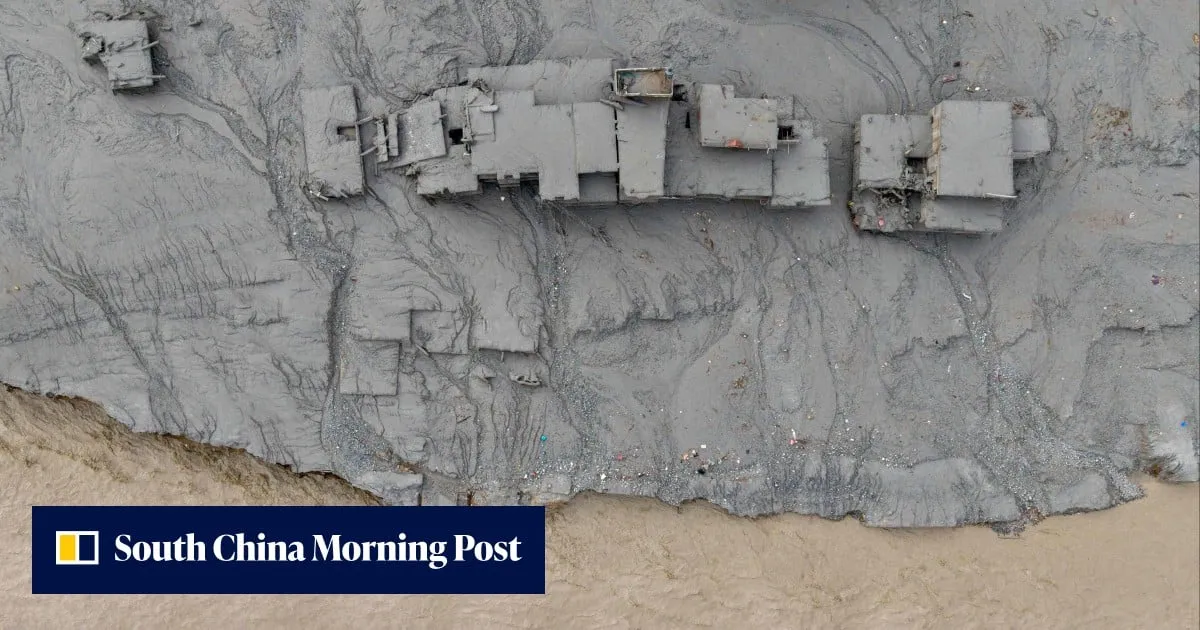
South China Morning PostFIG 01
Reading time
1min
Word count
167words
Sources cited
2cited
Entities identified
10entities
Quality score
100%
§ 01
Briefing Summary
AI-generatedNEWSAR · AI
Devastating floods on the China-Nepal border this week have prompted calls for joint early-warning systems, particularly concerning a proposed trans-Himalayan rail link. The floods caused a mudslide at Gyirong Port, Tibet's primary trade gateway with Nepal, which handles a third of their bilateral trade. Gyirong is also a proposed terminus for the multibillion-dollar railway project connecting Tibet with Kathmandu, which has seen little progress since its 2016 proposal due to weather, infrastructure, and geopolitical issues. Researchers emphasize that the disaster underscores the necessity of a collaborative hazard management approach for such infrastructure projects.
Confidence 0.90Sources 2Claims 4Entities 10
§ 02
Article analysis
Model · rule-basedFraming
Diplomatic
Economic Impact
Tone
Measured
AI-assessed
CalmNeutralAlarmist
Factuality
0.70 / 1.00
Factual
LowHigh
Sources cited
2
Limited
FewMany
§ 03
Key claims
4 extracted01
Researchers highlight the need for a joint approach to hazard management on infrastructure like the proposed railway.
quoteResearchers on both sides of the border
Confidence
0.90
02
Gyirong Port is the region’s main foreign trade gateway, handling a third of China’s trade with Nepal.
factual
Confidence
0.90
03
The China-Nepal railway project, proposed in 2016, has seen little progress due to bad weather, poor infrastructure, and geopolitical friction.
factual
Confidence
0.80
04
Devastating floods on the China-Nepal border could spur joint early-warning systems for a proposed rail link.
prediction
Confidence
0.70
§ 04
Full report
1 min read · 167 words§ 05
Entities
10 identifiedKey playerOppositionContextPositiveNeutralNegative
Locations5
§ 06
Keywords & salience
8 termschina-nepal disaster
1.00
safety rethink
0.90
rail project
0.90
early-warning systems
0.80
hazard management
0.70
trans-himalayan project
0.60
gyirong port
0.50
infrastructure
0.40
§ 07
Topic connections
Interactive graph Network visualization showing 51 related topics
View Full Graph Person Organization Location Event|Click node to navigate|Edge numbers = shared articles