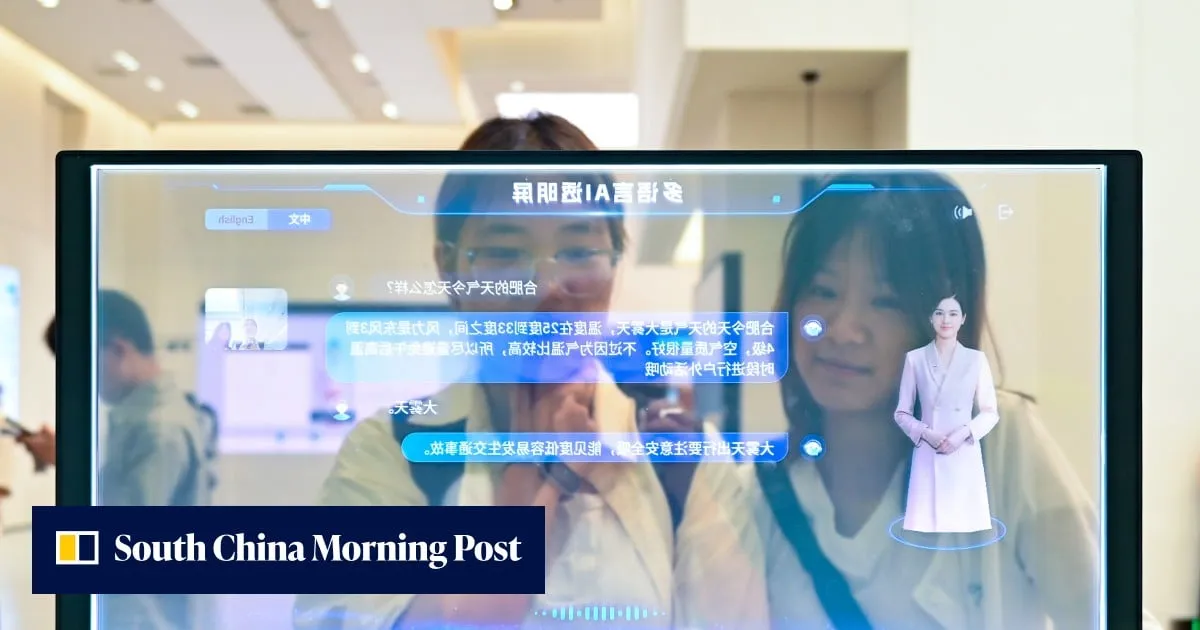
AI can make China’s political language sound more threatening, scholar warns3-MIN READ3-MIN0ListenPublished: 2:00pm, 29 Aug 2026China is being urged to use human translators to refine AI renderings of its political messaging, amid concern that literal translations can make Beijing’s language sound more threatening abroad.An article in a state-affiliated academic newspaper said the country should strengthen its translation capacity and guard against AI-generated distortions to improve how its policies and intentions were understood overseas.As AI takes on more translation work, human translators should work alongside the technology, according to Li Yan, a professor at Xian Fanyi University.Select VoiceSelect Speed0.8x0.9x1.0x1.1x1.2x1.5x1.75x00:0000:001.00x
SRCSouth China Morning Post
LANGEN
LEANCenter-Right
WORDS98
ENT5
SAT · 2026-08-29 · 06:00 GMTBRIEF NSR-2026-0829-107111
NSR-2026-0829-107111News Report·EN·Political Strategy
AI can make China’s political language sound more threatening, scholar warns
A scholar has warned that China should use human translators to refine AI-generated political messaging to prevent it from sounding more threatening internationally. An article in a state-affiliated academic newspaper suggests that strengthening translation capacity and guarding against AI distortions are crucial for improving overseas understanding of Beijing's policies and intentions.
Orange WangSouth China Morning PostFiled 2026-08-29 · 06:00 GMTLean · Center-RightRead · 1 min
South China Morning PostFIG 01
Reading time
1min
Word count
98words
Sources cited
1cited
Entities identified
5entities
Quality score
100%
§ 01
Briefing Summary
AI-generatedNEWSAR · AI
A scholar has warned that China should use human translators to refine AI-generated political messaging to prevent it from sounding more threatening internationally. An article in a state-affiliated academic newspaper suggests that strengthening translation capacity and guarding against AI distortions are crucial for improving overseas understanding of Beijing's policies and intentions. Professor Li Yan of Xian Fanyi University advocates for human translators to collaborate with AI as the technology handles more translation tasks. This recommendation aims to mitigate potential misinterpretations of China's political language abroad.
Confidence 0.85Sources 1Claims 4Entities 5
§ 02
Article analysis
Model · rule-basedFraming
Political Strategy
Technology
Tone
Measured
AI-assessed
CalmNeutralAlarmist
Factuality
0.60 / 1.00
Mixed
LowHigh
Sources cited
1
Limited
FewMany
§ 03
Key claims
4 extracted01
Human translators should work alongside AI technology in translation.
factualLi Yan
Confidence
0.90
02
AI can make China's political language sound more threatening abroad due to literal translations.
quoteLi Yan
Confidence
0.90
03
Improving how China's policies and intentions are understood overseas is a goal.
factualstate-affiliated academic newspaper article
Confidence
0.80
04
China should strengthen its translation capacity and guard against AI-generated distortions.
factualstate-affiliated academic newspaper article
Confidence
0.80
§ 04
Full report
1 min read · 98 words§ 05
Entities
5 identifiedKey playerOppositionContextPositiveNeutralNegative
People1
Organizations1
§ 06
Keywords & salience
8 termsai translation
1.00
political language
0.90
china
0.80
threatening tone
0.70
ai-generated distortions
0.60
translation capacity
0.60
human translators
0.50
international understanding
0.40
§ 07
Topic connections
Interactive graph Network visualization showing 51 related topics
View Full Graph Person Organization Location Event|Click node to navigate|Edge numbers = shared articles