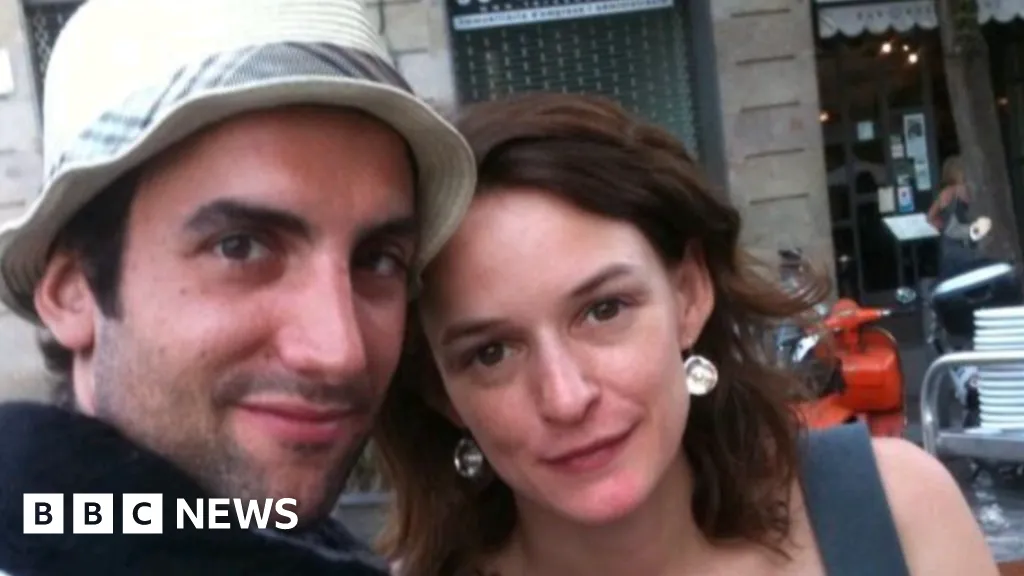
For years, Arthur Kermalvezen, the child of a sperm donor, saw possible fathers everywhere he went. "I imagined it might be my teacher, the people I saw on the bus... and I was very angry because it's impossible to live like this."When, as an adult, he fell in love with Audrey, another sperm donor baby from Paris, the question became even more pressing.Audrey describes the moment they met at a gathering for donor conceived activists in 2010 as "love at first sight" - but was this connection a romantic or genetic attraction? When they were born, there were only two sperm banks in Paris and many men had made multiple donations - so there was a real possibility they could be half-siblings.Before building a life together, Arthur and Audrey needed to know whether they were related. But in France, laws governing genetic testing and donor anonymity made finding the answer extremely difficult.Getty ImagesIt is a criminal offence to take a home DNA test in FranceIn France, only a research scientist, doctor or judge can order and supervise a genetic test, and people can be fined more than €3,500 ($4,288; £3,191) for possessing a home testing kit. As a result, companies such as 23andMe, Ancestry and MyHeritage don't make their kits available in France.Supporters of the law, in place since 1994, say it stops sensitive genetic data being given to commercial companies, and prevents family disputes being caused by unexpected results.
SRCBBC News - World
LANGEN
LEANCenter
WORDS240
ENT10
SAT · 2026-08-29 · 23:03 GMTBRIEF NSR-2026-0830-107378
NSR-2026-0830-107378News Report·EN·Human Interest
They fell in love - then had to check they weren't brother and sister
Arthur Kermalvezen and Audrey, both conceived via sperm donation in Paris, fell in love but faced a significant obstacle: the possibility of being half-siblings. Due to the limited number of sperm banks and multiple donations by some men, their genetic relation was a real concern before they could build a future together.
13 hours agoShareSaveAdd as preferred on GoogleBBC News - WorldFiled 2026-08-29 · 23:03 GMTLean · CenterRead · 1 min
BBC News - WorldFIG 01
Reading time
1min
Word count
240words
Sources cited
2cited
Entities identified
10entities
Quality score
100%
§ 01
Briefing Summary
AI-generatedNEWSAR · AI
Arthur Kermalvezen and Audrey, both conceived via sperm donation in Paris, fell in love but faced a significant obstacle: the possibility of being half-siblings. Due to the limited number of sperm banks and multiple donations by some men, their genetic relation was a real concern before they could build a future together. French law prohibits home DNA testing, with possession of such kits carrying a fine of over €3,500, making it difficult for individuals to ascertain their genetic connections. Only authorized professionals like scientists, doctors, or judges can order and supervise genetic tests in France. This legal framework, intended to protect sensitive genetic data and prevent family disputes, presented a unique challenge for Arthur and Audrey in confirming their non-relatedness.
Confidence 0.90Sources 2Claims 5Entities 10
§ 02
Article analysis
Model · rule-basedFraming
Human Interest
Legal & Judicial
Tone
Mixed Tone
AI-assessed
CalmNeutralAlarmist
Factuality
0.70 / 1.00
Factual
LowHigh
Sources cited
2
Limited
FewMany
§ 03
Key claims
5 extracted01
Companies like 23andMe, Ancestry, and MyHeritage do not offer their kits in France due to these laws.
factualarticle
Confidence
1.00
02
In France, it is a criminal offense to possess a home DNA testing kit, with fines exceeding €3,500.
factualarticle
Confidence
1.00
03
Arthur Kermalvezen, a child of a sperm donor, experienced distress imagining possible fathers and difficulty living with the uncertainty.
quoteArthur Kermalvezen
Confidence
1.00
04
Supporters of French genetic testing laws argue they prevent sensitive data from going to commercial companies and avoid family disputes.
factualarticle
Confidence
0.90
05
Arthur and Audrey, both children of sperm donors, fell in love and faced the possibility of being half-siblings.
factualarticle
Confidence
0.90
§ 04
Full report
1 min read · 240 words§ 05
Entities
10 identifiedKey playerOppositionContextPositiveNeutralNegative
§ 06
Keywords & salience
9 termssperm donor
1.00
genetic testing
0.90
donor conceived
0.80
half-siblings
0.70
donor anonymity
0.70
genetic attraction
0.60
dna test
0.50
genetic data
0.40
france
0.40
§ 07
Topic connections
Interactive graph No topic relationship data available yet. This graph will appear once topic relationships have been computed.