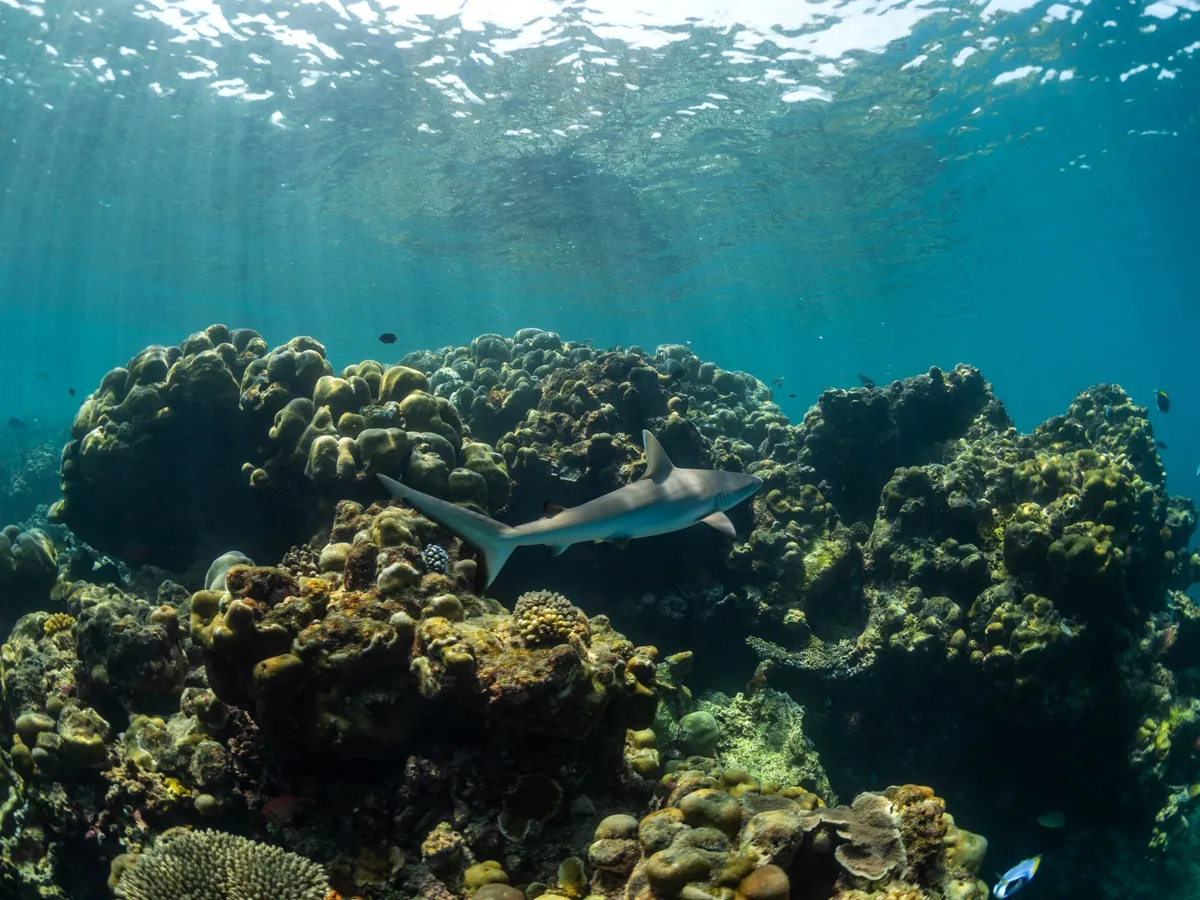
Coral reefs make up just 1 percent of ocean coverage, but host a quarter of all life in the sea.Coral reefs are experiencing bleaching events so frequently that they no longer have time to recover before the next one strikes, scientists have warned.Global coral cover is now well below normal levels and at risk of irreversible decline, the Global Coral Reef Monitoring Network (GCRMN) said in a report released on Monday.Recommended Stories list of 3 itemslist 1 of 3World ‘very likely’ to exceed 1.5C climate goal in next decade: UNlist 2 of 3World’s oceans experience hottest June ever, scientists say more heat aheadlist 3 of 3Global ocean temperatures hit record high as El Nino intensifiesend of list“If we give them enough time, they have the capacity to recover,” lead author Manuel Gonzalez Rivero said. “But we haven’t seen that amount of time being allowed. In fact, the frequency of those bleaching events has pretty much doubled.”Bleaching occurs when corals expel the colourful algae living in their tissues. Without this algae, they become vulnerable to starvation and disease. Bleached coral are not dead, but they need time in cooler water to recover.“We had 40 years of coral cover around the world that had remained relatively unchanged until 2010,” said Gonzalez Rivero, a scientist at the Australian Institute of Marine Science. “Since 2010, there has been a very steep change.”The latest bleaching in 2023 was the most extensive on record, impacting 77 percent of the world’s coral reef areas.Rivero warned that another such event is “very likely” this year given elevated temperatures globally.Coral reefs are critical barometers for global ocean health, supporting more than 25 percent of all marine life despite covering less than 1 percent of the ocean floor.The GCRMN’s warning came as organisers of the annual Pacific Islands Forum announced that at least five leaders of the 18-nation group will skip the group’s summit.
SRCAl Jazeera
LANGEN
LEANCenter
WORDS314
ENT8
MON · 2026-08-31 · 05:19 GMTBRIEF NSR-2026-0831-107566
NSR-2026-0831-107566News Report·EN·Environmental
Global coral reef coverage risks irreversible decline, new report warns
A new report from the Global Coral Reef Monitoring Network (GCRMN) warns that global coral reef coverage is at risk of irreversible decline. Scientists state that coral reefs are experiencing bleaching events too frequently to recover, with the frequency of these events having doubled since 2010.
Al Jazeera StaffAl JazeeraFiled 2026-08-31 · 05:19 GMTLean · CenterRead · 2 min
Al JazeeraFIG 01
Reading time
2min
Word count
314words
Sources cited
2cited
Entities identified
8entities
Quality score
100%
§ 01
Briefing Summary
AI-generatedNEWSAR · AI
A new report from the Global Coral Reef Monitoring Network (GCRMN) warns that global coral reef coverage is at risk of irreversible decline. Scientists state that coral reefs are experiencing bleaching events too frequently to recover, with the frequency of these events having doubled since 2010. The most extensive bleaching on record occurred in 2023, impacting 77 percent of the world's coral reef areas, and another such event is considered "very likely" this year due to elevated global temperatures. Despite covering less than 1 percent of the ocean floor, coral reefs support over 25 percent of all marine life.
Confidence 0.90Sources 2Claims 5Entities 8
§ 02
Article analysis
Model · rule-basedFraming
Environmental
Human Interest
Tone
Mixed Tone
AI-assessed
CalmNeutralAlarmist
Factuality
0.80 / 1.00
Factual
LowHigh
Sources cited
2
Limited
FewMany
§ 03
Key claims
5 extracted01
Coral reefs host a quarter of all marine life despite making up only 1 percent of ocean coverage.
statistic
Confidence
1.00
02
The 2023 coral bleaching event impacted 77 percent of the world's coral reef areas.
statistic
Confidence
0.95
03
The frequency of coral bleaching events has approximately doubled.
quoteManuel Gonzalez Rivero
Confidence
0.90
04
Global coral reef coverage is at risk of irreversible decline due to frequent bleaching events.
factualGlobal Coral Reef Monitoring Network (GCRMN)
Confidence
0.90
05
Another extensive coral bleaching event is very likely this year.
predictionManuel Gonzalez Rivero
Confidence
0.85
§ 04
Full report
2 min read · 314 words§ 05
Entities
8 identifiedKey playerOppositionContextPositiveNeutralNegative
Organizations2
§ 06
Keywords & salience
8 termscoral bleaching
1.00
coral reef decline
1.00
ocean health
0.90
marine life
0.80
climate change
0.70
global temperatures
0.60
irreversible damage
0.50
global coral reef monitoring network
0.40
§ 07
Topic connections
Interactive graph Network visualization showing 51 related topics
View Full Graph Person Organization Location Event|Click node to navigate|Edge numbers = shared articles