Jurors in Lindsay Clancy trial deliberating for a third day in child killings case 1 of 2 | Lindsay Clancy watches jurors enter the courtroom for their second day of deliberations as defense attorney Kevin Reddington sits to her right at Plymouth-superior-court" class="entity-link entity-location" data-entity-id="172188" data-entity-type="location">Plymouth Superior Court in Plymouth, Mass., Friday, Aug. 28, 2026. (Greg Derr/The Patriot Ledger via AP, Pool) 2 of 2 | Lindsay Clancy watches jurors as they enter the courtroom to start their second day of deliberations in her murder trial at Plymouth-superior-court" class="entity-link entity-location" data-entity-id="172188" data-entity-type="location">Plymouth Superior Court on Friday, Aug. 28, 2026 in Plymouth Mass. (Greg Derr/The Patriot Ledger via AP, Pool) By Michael Casey Updated 3:32 PM MESZ, August 31, 2026 Add AP News on Google Add AP News as your preferred source to see more of our stories on Google. Share Share Facebook Copy Link copied Print Email X LinkedIn Bluesky Flipboard Pinterest Reddit Plymouth, Mass. (AP) — Jurors in the Lindsay Clancy trial resumed deliberating for a third day Monday to determine whether to hold the former labor and delivery nurse criminally responsible for killing her three children in 2023 — a case that has drawn attention to maternal mental health after childbirth. The 12 regular jurors and six alternates began discussing the case Thursday in Plymouth-county-superior-court" class="entity-link entity-organization" data-entity-id="197253" data-entity-type="organization">Plymouth County Superior Court after hearing testimony from more than 70 prosecution witnesses, including her then-husband, and 10 defense witnesses over five weeks. While Clancy doesn’t deny strangling her children, her lawyer said she did it because she had lost her grip on reality due to postpartum psychosis, a rare mental illness that can follow childbirth. In the months before the killings, Clancy sought treatment for her worsening mental health, including a stay in a psychiatric hospital. Prosecutors said Clancy knew what she was doing. They say she strangled the children because she was depressed and tired of living, and made a conscious choice to kill them before attempting suicide. The jury could find her guilty of murder or the lesser crime of manslaughter, or it could acquit her if it finds that she wasn’t in control of herself due to psychiatric problems. Clancy’s sentence could be as severe as life in prison, or she could be released or remain confined in a mental health facility if acquitted. ___ What to know about the Lindsay Clancy murder trial 3 MIN READ Lindsay Clancy trial spotlights psychiatric hospital stay before she killed her 3 children 4 MIN READ 46 Lindsay Clancy sobs at murder trial as jurors view autopsy photos of her youngest child 4 MIN READ 46 EDITOR’S NOTE: This story includes discussion of suicide. If you or someone you know needs help, the national suicide and crisis lifeline in the U.S. is available by calling or texting 988. All three children — Cora, Dawson and Callan Clancy, ages 5, 3 and 8 months — were strangled with exercise bands in the basement of the family’s home in coastal Duxbury, Massachusetts, before Clancy tried to kill herself while her husband was getting takeout and at a pharmacy on Jan. 24, 2023. Clancy, 36, who grew up in Wallingford, Connecticut, has pleaded not guilty by reason of lack of criminal responsibility. She did not testify during the trial, but jurors heard at length from medical professionals who treated her, as well as from friends and relatives she had told about her mental health problems. Jurors also heard from medical experts called by prosecutors and the defense who disagreed about her likely state of mind when she killed the children. The killings happened less than three weeks after Clancy was discharged from a psychiatric hospital. She cut herself before jumping from a second-floor window after strangling the children. She remains paralyzed from the waist down. Associated Press writer Dave Collins in Hartford, Connecticut, contributed to this report. Michael Casey Casey writes about the environment, housing and inequality for The Associated Press. He lives in Boston. twitter mailto
SRCAssociated Press (AP)
LANGEN
LEANCenter
WORDS653
ENT12
MON · 2026-08-31 · 12:53 GMTBRIEF NSR-2026-0831-107721
NSR-2026-0831-107721News Report·EN·Legal & Judicial
Jurors in Lindsay Clancy set to return for third day of deliberations
Jurors in the Lindsay Clancy trial are deliberating for a third day to determine criminal responsibility for the 2023 deaths of her three children. Clancy, a former nurse, does not deny strangling her children but her defense argues she was experiencing postpartum psychosis.
Associated Press (AP)Filed 2026-08-31 · 12:53 GMTLean · CenterRead · 3 min
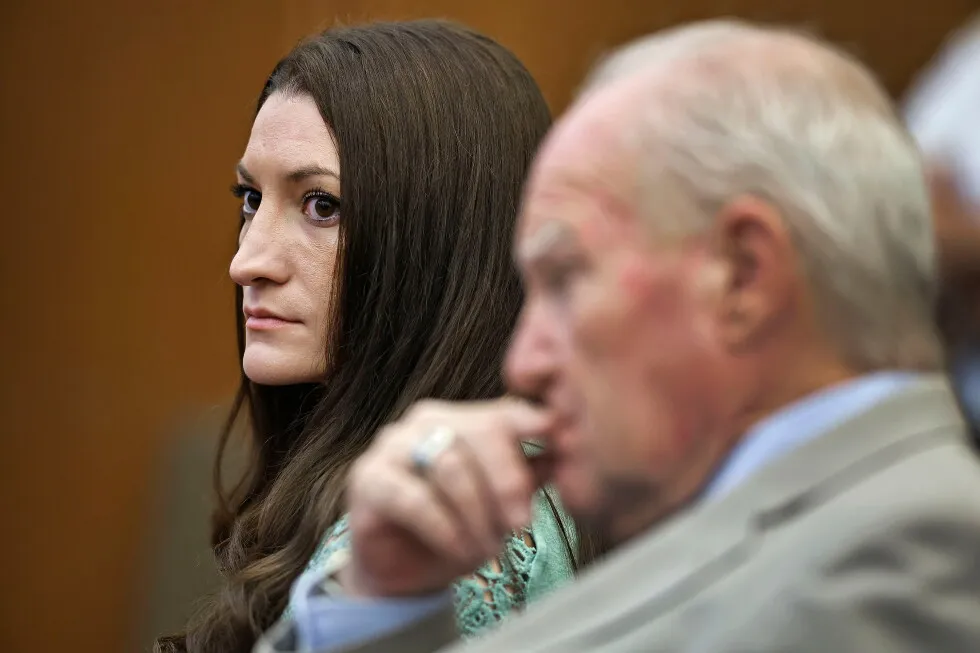
Associated Press (AP)FIG 01
Reading time
3min
Word count
653words
Sources cited
2cited
Entities identified
12entities
Quality score
100%
§ 01
Briefing Summary
AI-generatedNEWSAR · AI
Jurors in the Lindsay Clancy trial are deliberating for a third day to determine criminal responsibility for the 2023 deaths of her three children. Clancy, a former nurse, does not deny strangling her children but her defense argues she was experiencing postpartum psychosis. Prosecutors contend she was depressed, aware of her actions, and made a conscious choice to kill them before attempting suicide. The jury must decide between murder, manslaughter, or acquittal based on her mental state. The case has highlighted issues of maternal mental health. Clancy remains paralyzed from the waist down after attempting suicide following the killings.
Confidence 0.90Sources 2Claims 5Entities 12
§ 02
Article analysis
Model · rule-basedFraming
Legal & Judicial
Human Interest
Tone
Measured
AI-assessed
CalmNeutralAlarmist
Factuality
0.80 / 1.00
Factual
LowHigh
Sources cited
2
Limited
FewMany
§ 03
Key claims
5 extracted01
All three children were strangled with exercise bands in their home.
factual
Confidence
1.00
02
The jury can find Clancy guilty of murder, manslaughter, or acquit her if she lacked control due to psychiatric problems.
factual
Confidence
1.00
03
Prosecutors argued Clancy knew what she was doing, was depressed, and made a conscious choice to kill her children.
quoteProsecutors
Confidence
1.00
04
Lindsay Clancy's defense attorney stated she lost her grip on reality due to postpartum psychosis.
quoteDefense attorney Kevin Reddington
Confidence
1.00
05
Jurors are deliberating for a third day to determine Lindsay Clancy's criminal responsibility for killing her three children.
factual
Confidence
1.00
§ 04
Full report
3 min read · 653 words§ 05
Entities
12 identifiedKey playerOppositionContextPositiveNeutralNegative
People4
Organizations3
Locations3
§ 06
Keywords & salience
8 termslindsay clancy trial
1.00
child killings
0.90
maternal mental health
0.80
postpartum psychosis
0.80
criminal responsibility
0.70
deliberations
0.60
mental illness
0.50
psychiatric hospital
0.40
§ 07
Topic connections
Interactive graph Network visualization showing 51 related topics
View Full Graph Person Organization Location Event|Click node to navigate|Edge numbers = shared articles