Michael Pettis says a great rebalancing is coming and China will pay for it. It’s strange how the man who insists that power decides who pays never tests his claim on Washington. The Beijing-based economist has been warning that a great rebalancing is coming since he published a book called The Great Rebalancing. That was in 2013.His latest Foreign Affairs offering? You guessed it: “A Great Rebalancing Is Coming: Who Will Bear the Costs of a Global Trade Adjustment?”It’s the same plot: Today’s trade imbalances are untenable. China, Germany and a few others sell far more than they buy. America buys far more than it sells. And for a rich economy, a permanent deficit means either more joblessness or more debt. How about both?
SRCSouth China Morning Post
LANGEN
LEANCenter-Right
WORDS124
ENT7
TUE · 2026-09-01 · 12:30 GMTBRIEF NSR-2026-0901-108101
NSR-2026-0901-108101Opinion·EN·Economic Impact
If a ‘great rebalancing’ is coming, will China really have to pay for it?
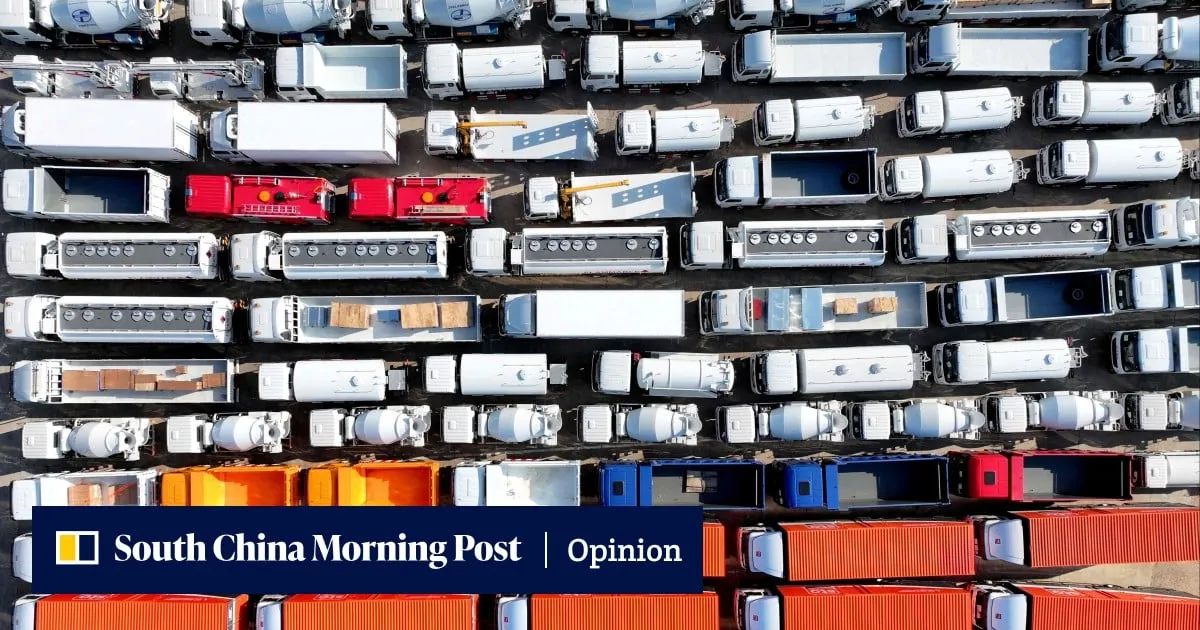
Economist Michael Pettis has repeatedly warned, since at least 2013, that a "great rebalancing" of global trade is imminent. He argues that current trade imbalances, where countries like China and Germany export significantly more than they import while the United States imports more than it exports, are unsustainable.
Alex LoSouth China Morning PostFiled 2026-09-01 · 12:30 GMTLean · Center-RightRead · 1 min
South China Morning PostFIG 01
Reading time
1min
Word count
124words
Sources cited
1cited
Entities identified
7entities
Quality score
100%
§ 01
Briefing Summary
AI-generatedNEWSAR · AI
Economist Michael Pettis has repeatedly warned, since at least 2013, that a "great rebalancing" of global trade is imminent. He argues that current trade imbalances, where countries like China and Germany export significantly more than they import while the United States imports more than it exports, are unsustainable. Pettis contends that China will ultimately bear the costs of this adjustment. The article notes that Pettis, who believes power determines who pays, has not applied this theory to Washington. He suggests that persistent trade deficits for wealthy nations can lead to increased unemployment or debt, or both.
Confidence 0.85Sources 1Claims 5Entities 7
§ 02
Article analysis
Model · rule-basedFraming
Economic Impact
Diplomatic
Tone
Mixed Tone
AI-assessed
CalmNeutralAlarmist
Factuality
0.30 / 1.00
Opinion-Heavy
LowHigh
Sources cited
1
Limited
FewMany
§ 03
Key claims
5 extracted01
For a rich economy, a permanent deficit means either more joblessness or more debt, or both.
quoteMichael Pettis
Confidence
1.00
02
China, Germany and a few others sell far more than they buy, while America buys far more than it sells.
quoteMichael Pettis
Confidence
1.00
03
Today's trade imbalances are untenable.
quoteMichael Pettis
Confidence
1.00
04
Pettis has been warning about a great rebalancing since publishing his 2013 book 'The Great Rebalancing'.
factualMichael Pettis
Confidence
1.00
05
Michael Pettis claims a great rebalancing is coming and China will pay for it.
quoteMichael Pettis
Confidence
1.00
§ 04
Full report
1 min read · 124 words§ 05
Entities
7 identifiedKey playerOppositionContextPositiveNeutralNegative
Organizations1
Locations4
§ 06
Keywords & salience
9 termsgreat rebalancing
1.00
trade imbalances
0.90
global trade adjustment
0.80
china
0.70
economic deficit
0.60
joblessness
0.50
debt
0.50
america
0.40
germany
0.40
§ 07
Topic connections
Interactive graph No topic relationship data available yet. This graph will appear once topic relationships have been computed.